A Guide to Aluminum Window Costs in Colorado
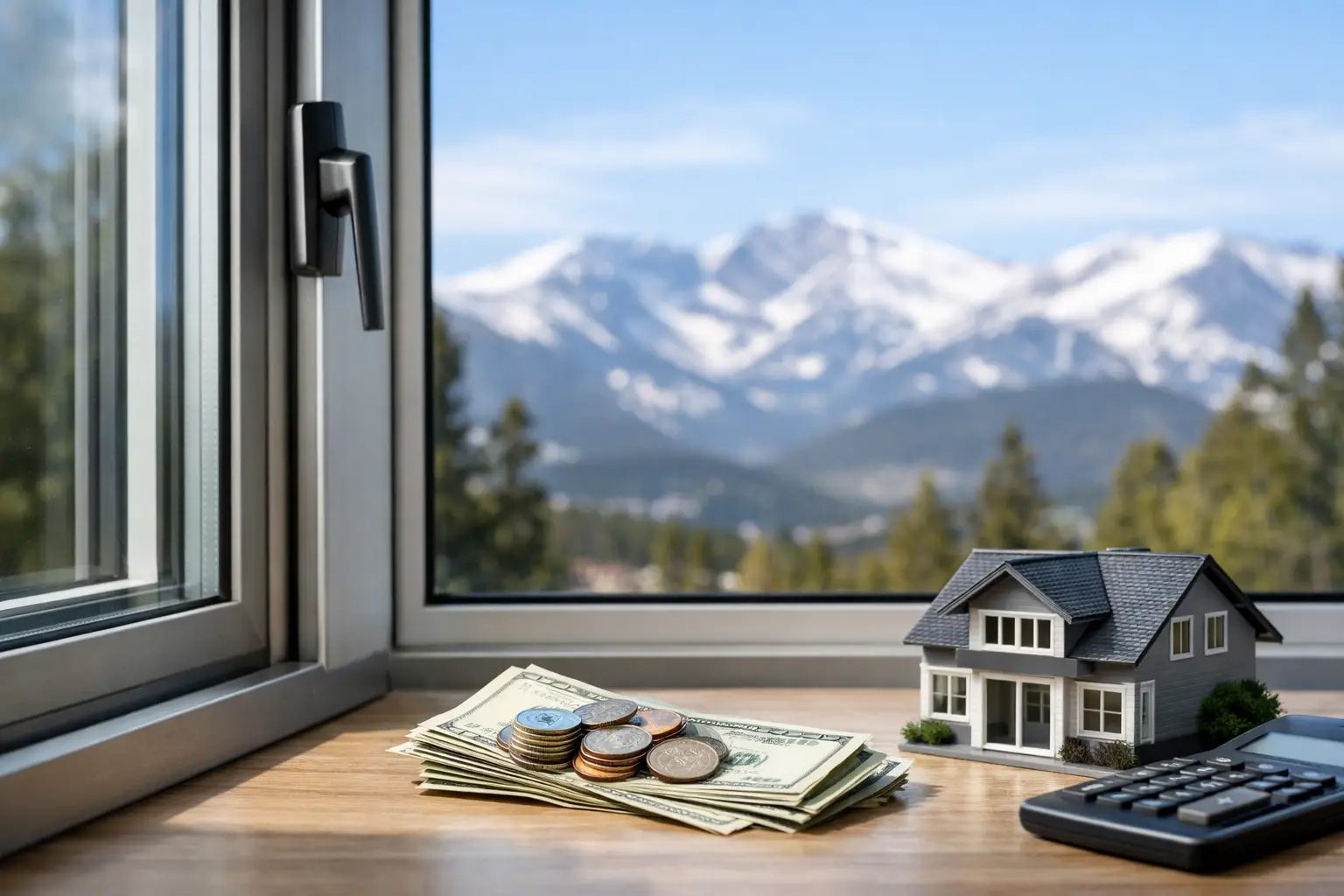
A large, uninterrupted view can look deceptively simple on an elevation. The cost behind it is not. In a premium residential or architectural project, a guide to aluminum window costs must account for more than the frame itself: structural requirements, thermal performance, glass selection, opening size, installation conditions, and the level of customization all shape the final number.
Aluminum is often specified when a project requires slim sightlines, large expanses of glass, refined geometry, and long-term dimensional stability. For homes in Colorado and across the Rocky Mountain region, the right system must also manage intense sun, cold winter nights, substantial daily temperature swings, wind exposure, and snow-load considerations. That is why comparing windows only by a per-unit starting price can produce a misleading budget.
What aluminum windows typically cost
Thermally broken aluminum windows for high-end residential construction generally sit in a premium price category. A modest fixed or operable window may begin around $1,500 to $4,000 per opening before installation, depending on dimensions, glass, finish, and configuration. Larger fixed glass units, custom corners, multi-panel assemblies, and oversized operable systems can move well beyond that range, often into several thousand dollars per opening.
Installed pricing is necessarily broader. Access, wall construction, flashing strategy, exterior cladding, interior detailing, crane or lift requirements, and the coordination needed for large units can materially change labor costs. A straightforward replacement opening in a conventional wall is not priced like a floor-to-ceiling window wall in a custom mountain home.
The practical question is not, “What does an aluminum window cost?” It is, “What performance and architectural result does this opening need to deliver?” A window that carries a dramatic view, meets a demanding energy target, and aligns precisely with adjacent glazing should be budgeted as part of the building envelope, not as a commodity purchase.
Guide to aluminum window costs: the specifications that matter
Thermal break design
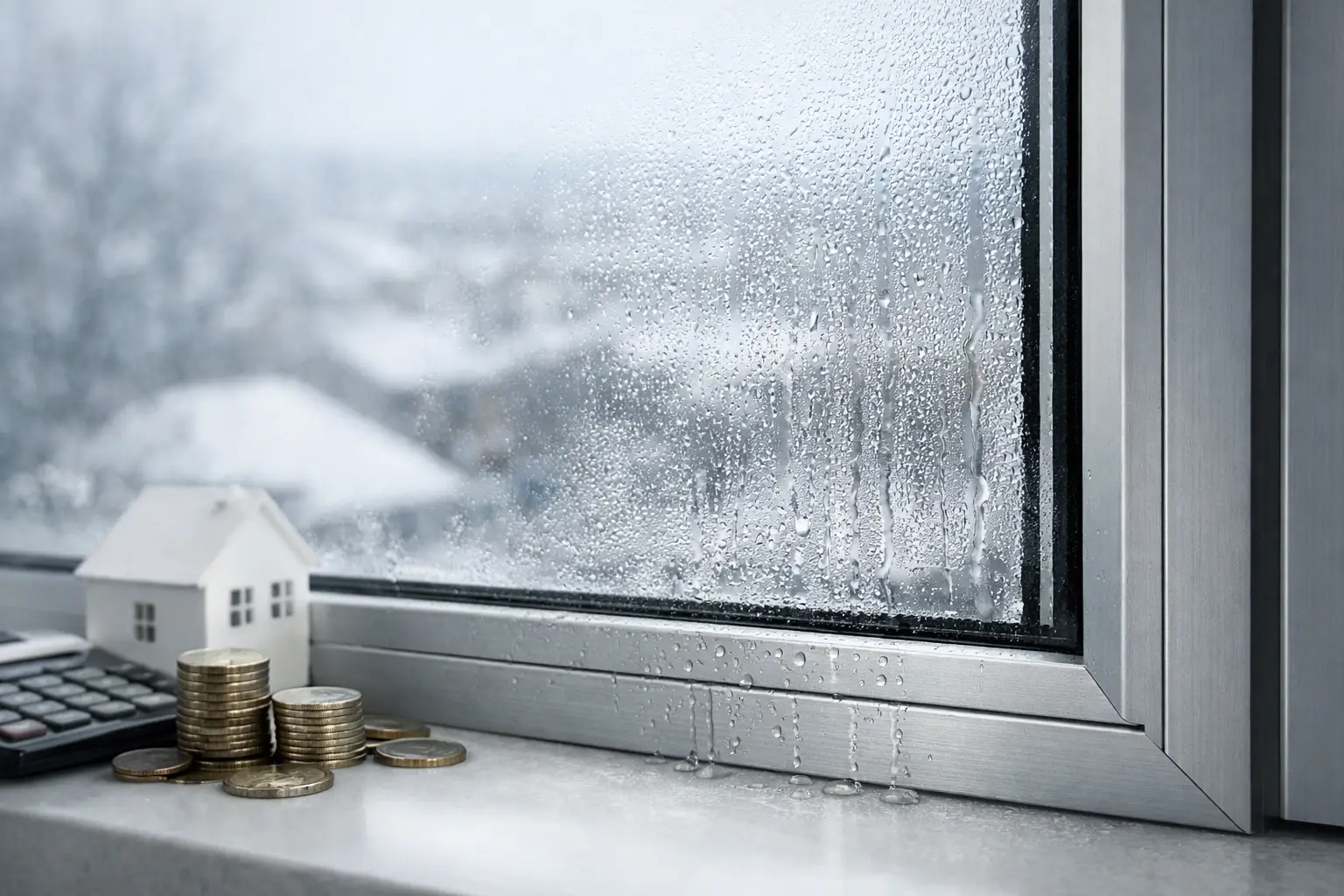
Not all aluminum framing performs the same way. Conventional aluminum is highly conductive, which can create uncomfortable interior frame temperatures and increase condensation risk in cold weather. A thermally broken system separates the interior and exterior aluminum sections with an insulating polyamide barrier, reducing heat transfer through the frame.
This engineering adds cost compared with basic aluminum, but it is central to specifying aluminum responsibly in a four-season climate. Thermal performance should be reviewed at the full-system level, including frame, glass, spacers, seals, and installation detailing. A low initial price on a non-thermally broken product may be difficult to justify when comfort, condensation control, and energy performance are priorities.
Glass package and solar control
Glass is often one of the most consequential line items in an aluminum window quote. Larger openings naturally contain more glass, but glazing selection matters as much as area. Insulating glass units, low-emissivity coatings, tempered safety glass, laminated glass, thicker makeups, and specialty tints each affect cost and performance.
For many premium projects, low-E glass is a baseline requirement rather than an upgrade. It helps regulate solar heat gain and improves insulating performance while preserving the visual clarity expected from contemporary glazing. ViewLux Colorado specifies tempered glass with LowE2 as standard, providing a strong starting point for projects where daylight, views, and climate performance must work together.
The best glass package depends on orientation. West-facing openings may require greater solar control than a shaded north elevation. A high-elevation site may experience more intense solar exposure, while a view-facing elevation may call for exceptionally clear, expansive glazing. One glass specification across every opening can simplify procurement, but it is not always the most considered design decision.
Size, shape, and structural demand
As window dimensions increase, costs do not rise in a perfectly linear way. A larger pane may require thicker glass, heavier framing, reinforced mullions, specialized hardware, and more demanding transportation and installation procedures. Tall openings also introduce deflection and wind-load considerations that must be resolved without compromising the clean sightlines that made aluminum attractive in the first place.
Custom shapes add another layer. Arched units, angled glazing, mitered corners, curved elements, and irregular geometries require more engineering and fabrication than rectangular windows. They can be worthwhile architectural moves, particularly where a home has a distinct contemporary language, but they should be identified early so the budget reflects the actual design intent.
Fixed versus operable windows
Fixed windows are generally less expensive than comparable operable units because they do not require hinges, handles, locking points, concealed drainage paths, or hardware rated for repeated use. They are often the most efficient way to frame a view or create a large glass composition.
Operable units introduce ventilation and life-safety benefits, but they carry additional cost and specification decisions. Casement and awning windows can provide controlled ventilation with a tight compression seal. Sliding and double-hung windows serve different planning and aesthetic needs. The right approach is usually a balanced elevation: fixed glass where the view is primary, with operable windows placed intentionally for airflow, code requirements, and daily use.
Finish and customization
Standard finishes are typically the most economical. Custom powder-coated colors, dual-color frames, metallic effects, and specialty finishes increase cost, particularly when the order includes smaller quantities or several distinct colors. Yet finish is not a superficial choice. On a contemporary facade, the frame color establishes the edge condition around the glass and must coordinate with cladding, roofing, railings, and interior materials.
Customization also includes divided-lite patterns, mullion locations, sill details, hardware selections, integrated screens, and opening configurations. These decisions are valuable when they support the architecture. They become expensive when they are made late, after structural openings and facade details have already been established.
Installation is part of the window cost
A premium aluminum system cannot compensate for an underdeveloped installation plan. The installed price should clarify who is responsible for field measurement, delivery sequencing, setting large units, shimming and anchoring, perimeter sealing, flashing integration, and protection during construction.
For new construction, the window system must coordinate with the wall’s water-control and air-control layers. For remodels, the conditions are less predictable: concealed damage, uneven framing, interior trim removal, and exterior repairs may affect the scope. Mountain sites can add access limitations, weather constraints, and transport challenges.
When reviewing proposals, compare scope as carefully as price. One quote may cover the fabricated window units only, while another includes glazing, delivery, installation support, or a more complete perimeter-detail strategy. They are not equivalent numbers.
How to budget without reducing the design
The most effective way to control aluminum window costs is to make key decisions early. Establish the desired sightline, target performance level, glass strategy, and operable locations before the project reaches final pricing. Late changes to opening sizes or mullion patterns can affect engineering, fabrication schedules, and surrounding construction.
There are also intelligent places to simplify. Repeating a limited set of module sizes can improve efficiency. Using fixed units strategically can preserve a broad glass composition while concentrating operating hardware where it has real value. Selecting one or two considered finish colors is often more disciplined than introducing several special variations.
What should not be simplified is the thermal break, glazing suitability, structural capacity, or installation interface. These are the components that determine whether the finished opening performs as well as it looks.
Comparing proposals on a like-for-like basis
A lower proposal can be a better value, but only if it represents the same system and scope. Ask whether each quote includes thermally broken frames, the same glass makeup and low-E coating, matching finish requirements, screens and hardware, engineering for the specified size, and the same delivery and installation assumptions.
Also review performance documentation rather than relying on broad material labels. “Aluminum window” describes a frame material, not a complete performance standard. Air infiltration, water resistance, structural ratings, U-factor, solar heat gain, and warranty terms should align with the project’s location and design requirements.
Factory-direct sourcing can improve budget clarity by reducing dealer layers and providing closer access to the people who understand the system. It does not make a high-performance custom window inexpensive by definition. It does create a more direct path to align the product, specification, and project budget before costly revisions are required.
A well-specified aluminum window is a long-term architectural component. Budget it for the view it frames, the climate it withstands, and the precision it brings to the building - then let each opening earn its place in the design.