Can Custom Windows Improve Home Value in Colorado?
A poorly proportioned window can diminish an otherwise exceptional room. It can interrupt a mountain view, force heavy framing into a clean elevation, create uncomfortable perimeter temperatures, and signal that the building was value-engineered after the design was complete. So, can custom windows improve home value? For premium homes, major remodels, and architect-led projects, they often can - but only when the system improves the home’s design, comfort, performance, and execution as a whole.
Custom windows are not a universal resale shortcut. Replacing functional standard windows with highly specialized units may not produce a dollar-for-dollar return in every neighborhood. Yet in the upper end of the market, windows are not simply components in a wall. They establish sightlines, daylight, façade rhythm, energy performance, and the perceived quality of the construction. Buyers notice the difference, even when they do not know the technical vocabulary behind it.
How Custom Windows Can Improve Home Value
The value of a custom window package begins with architectural fit. Standardized openings and stock sizes can constrain a design, particularly when a home calls for floor-to-ceiling glazing, expansive sliders, corner glass, or carefully aligned clerestory windows. A system specified around the architecture allows glass dimensions, mullion locations, operating panels, and frame profiles to support the intended composition rather than compromise it.
That distinction matters at resale. A home with refined sightlines and consistently scaled openings tends to feel more deliberate and more expensive. In a great room, for example, a large fixed aluminum window can frame a Front Range or mountain view without dividing it into unnecessary segments. In a primary suite, an operable casement or awning window can add controlled ventilation while retaining a restrained exterior profile. The result is a stronger visual identity, which is difficult to quantify line by line but highly visible during a showing.
Custom sizing also helps make challenging spaces more useful. A narrow stair landing, a double-height entry, or a kitchen wall opening onto a terrace may require proportions that standard units cannot serve well. When glazing is designed for the opening instead of the opening being reduced to fit a catalog size, the home gains usable light, clearer circulation, and a more resolved connection between interior and exterior spaces.
Thermal Performance Protects the Experience
In Colorado and throughout the Rocky Mountain region, window performance has a direct effect on how a home feels. Wide temperature swings, intense sun, cold winter nights, wind exposure, and elevation all place greater demands on the building envelope. Large glass areas can be a defining architectural feature, but they must be supported by an appropriate frame, glass specification, and installation strategy.
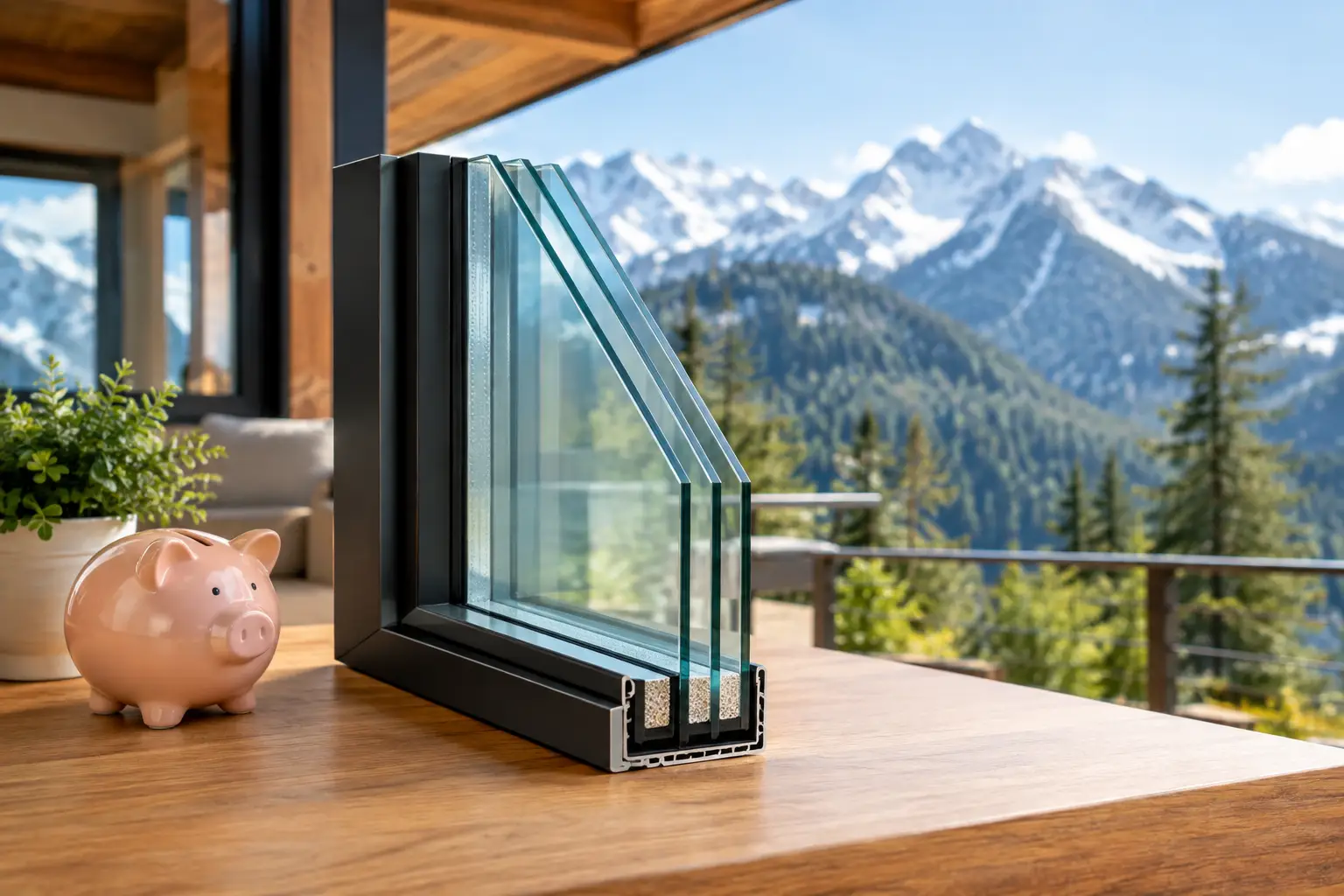
Thermally broken aluminum systems are particularly relevant where homeowners want narrow profiles and large openings without accepting the cold-frame effect associated with less advanced aluminum construction. A thermal break reduces conductive heat transfer through the frame, helping manage interior surface temperatures and improve comfort near the glass. When combined with insulated glazing and low-emissivity coatings, the system can support better energy performance without abandoning a modern architectural expression.
This is where the phrase “custom” should mean more than a nonstandard width or color. The stronger specification considers orientation, glazing area, shading, elevation, operation, and exposure. South- and west-facing elevations may need a different approach than a protected north-facing bedroom. A high-performance window package can reduce drafts, condensation risk, glare, and uneven room temperatures - concerns that can quickly undermine a buyer’s impression of an otherwise premium property.
Large Openings Carry a Premium When They Are Done Well
Contemporary buyers frequently respond to homes that create an intentional relationship with the landscape. Panoramic doors, oversized fixed glass, and coordinated window walls can bring daylight deep into the plan and make terraces, courtyards, and views feel integrated with the living area.
However, larger openings are not inherently more valuable. Their value depends on structural capability, weather resistance, glass performance, and clean detailing. A heavy door that is difficult to operate, a broad slider with visible deflection, or a window wall that overheats the room can become a liability rather than an upgrade. Premium systems should feel composed in use: panels should operate predictably, hardware should suit the weight and frequency of operation, and frame sections should remain visually disciplined at scale.
For this reason, a custom package should be coordinated early with the architect, builder, and structural team. Header requirements, drainage planes, flashing, sill conditions, and tolerances all influence the finished result. A high-value opening is not created by the glass alone. It is created by the entire assembly.
Which Custom Window Choices Add the Most Value?
The most valuable selections are usually those that solve a real architectural or performance need. Oversized fixed units can enhance a view-driven living space. Casement windows may provide better ventilation control and compression sealing than a basic sliding unit in exposed locations. Awning windows can offer ventilation during light weather while preserving privacy. Corner windows can create a striking effect when the structure and waterproofing details are properly designed.
Finish selection also affects perceived quality. Dark aluminum frames can sharpen a modern elevation and provide a visual counterpoint to stone, wood, or stucco. Lighter finishes may better suit a softer contemporary palette or reduce visual contrast in a sun-exposed setting. Consistency is more important than trend-chasing. A coordinated frame finish across windows, doors, and large opening systems creates a more disciplined exterior and a stronger impression of custom construction.
Glass specification deserves equal attention. Low-E2 glass as a standard starting point can help moderate solar heat gain and improve insulating performance, but the right glass package still depends on the project. Visible light transmission, solar heat gain, privacy needs, safety glazing, and acoustic requirements should be evaluated by elevation and room use. The goal is not the darkest glass or the highest number on a data sheet. It is a balanced assembly that supports comfort, clarity, and the design intent.
When Custom Windows May Not Deliver a Full Return
The resale case is strongest when the window investment matches the home’s price point and location. On a modest property where nearby comparable homes use conventional vinyl or fiberglass units, an elaborate aluminum package may exceed what the market will recognize financially. It can still improve the owner’s comfort and enjoyment, but the return may be more personal than appraised.
Over-customization can also narrow the buyer pool. Unusual shapes, highly tinted glazing, extreme frame colors, or complex operable configurations should have a clear design purpose. Timeless proportions and durable finishes generally travel better at resale than novelty. The same principle applies to very large glass walls: they should be supported by views, privacy, solar control, and a floor plan that benefits from the opening.
Installation quality is another nonnegotiable. Even a high-performing system can fall short if it is installed without proper flashing, air sealing, drainage, and adjustment. Water intrusion, difficult operation, and condensation concerns are costly defects that buyers, inspectors, and builders will take seriously. Product selection and installation coordination should be treated as one scope of work, not separate decisions.
Specifying for Value, Not Just Appearance
For homeowners and project teams, the most useful question is not whether custom windows are expensive. It is whether they create a measurable improvement over a standard alternative. Compare systems through the lens of frame material, thermal break design, glass package, air and water performance, available sizes, hardware quality, finish durability, and the manufacturer’s ability to support the project from design through delivery.
Factory-direct sourcing can improve that equation when it provides clearer communication and avoids unnecessary dealer layers. ViewLux Colorado approaches premium aluminum window and door systems with this balance in mind: design flexibility, refined profiles, and thermal performance engineered for demanding regional conditions. For architects and builders, direct access can also make it easier to resolve custom dimensions and configuration questions before they become field issues.
A well-specified window package does more than make a home photograph well. It makes rooms brighter without feeling exposed, views broader without sacrificing comfort, and elevations more precise without relying on decorative excess. When those improvements are visible in daily living and credible in the construction details, they become part of the home’s lasting value.