LoE2 Glass Benefits in High-Performance Homes
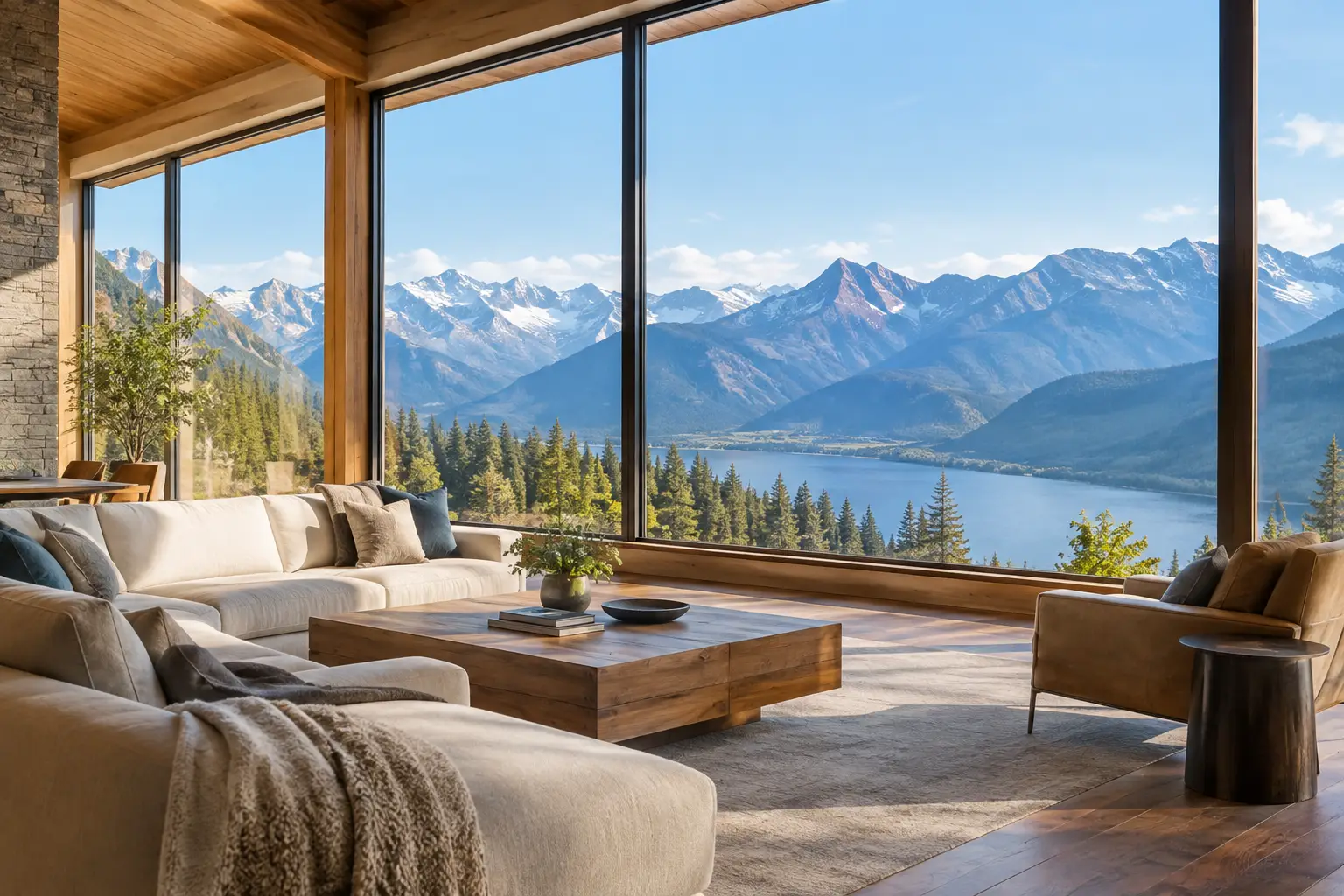
A wall of glass can define a home’s best room, frame a mountain horizon, and bring daylight deep into the plan. It can also become the weakest point in the building envelope if its performance is not specified with the same care as the frame, insulation, and air sealing. The central LoE2 glass benefits are straightforward: more comfortable interiors near the glass, better control of solar gain, stronger protection for finishes, and clear views with minimal visual compromise.
For Colorado residences and architectural projects, those benefits matter because the climate is not moderate. A glazing package may face intense high-altitude sun, subfreezing nights, wide daily temperature swings, and substantial cooling loads in west-facing rooms. LoE2 glass is designed to manage those conditions without asking the architecture to sacrifice generous openings or refined sightlines.
What LoE2 Glass Does
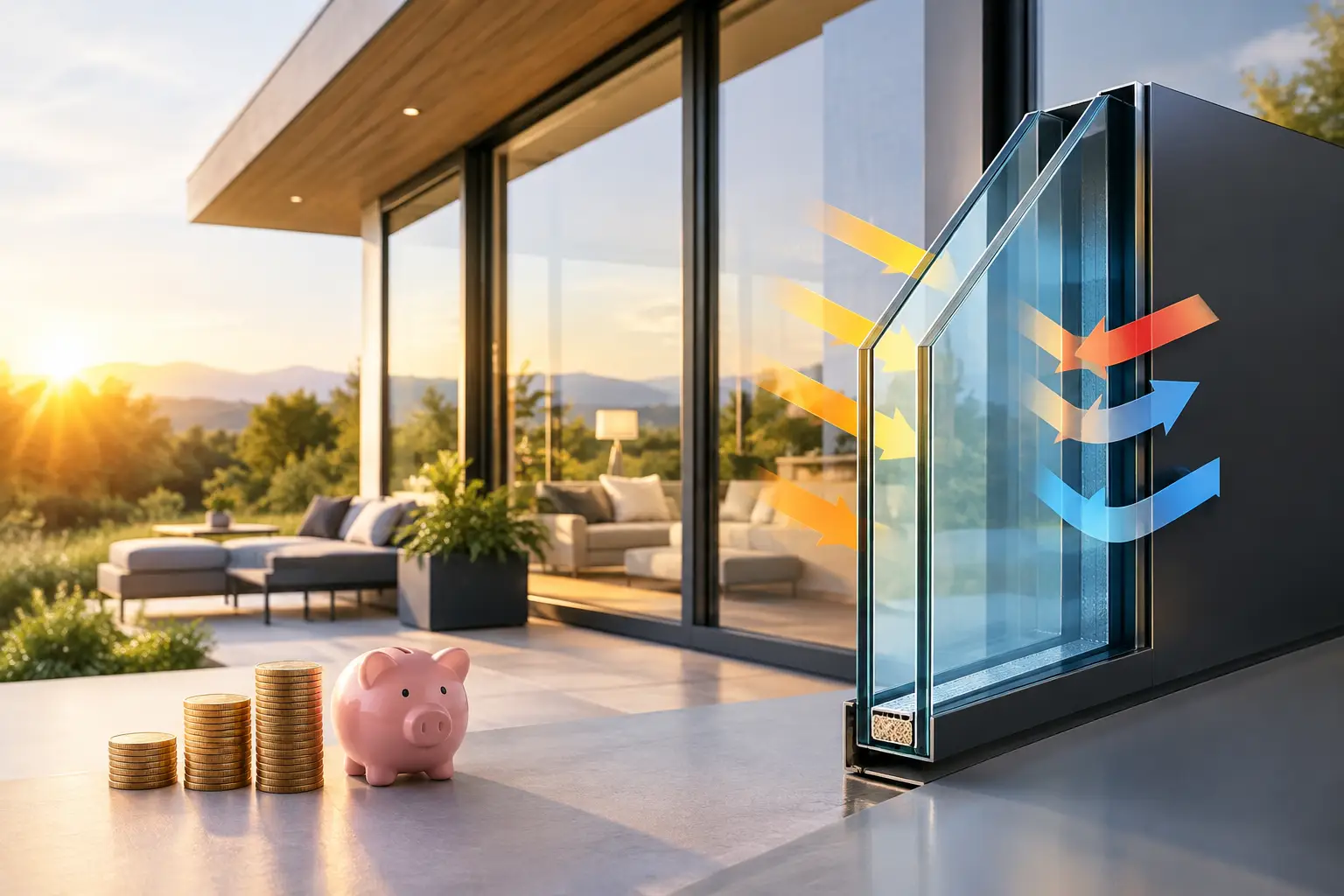
LoE2 is a low-emissivity glass coating engineered to reflect long-wave infrared energy while allowing useful visible light to pass through the insulated glass unit. In practical terms, it helps keep interior heat indoors during cold weather and limits a portion of unwanted solar heat entering through the glazing when the sun is strong.
The coating is microscopically thin and is typically placed on an interior-facing surface within a sealed insulated glass unit, where it is protected from cleaning and weather exposure. It is not a tint applied after installation. It is a precision-applied component of the glass assembly, working alongside insulated panes, spacer technology, gas fills when specified, and a properly engineered frame.
This distinction matters. Window performance is not determined by glass alone. A high-performing coating cannot compensate for an uninsulated frame, poor perimeter detailing, or incomplete installation. Conversely, a thermally broken aluminum system gains meaningful real-world value when paired with glass that reduces radiant heat transfer and manages solar exposure deliberately.
LoE2 Glass Benefits for Colorado Projects
Greater comfort beside large openings
Occupants experience glass differently than a performance label does. They notice whether the seat beside a panoramic door feels cold on a January morning, whether a bedroom perimeter feels drafty, and whether a living room becomes uncomfortable when afternoon sun reaches the floor.
Low-emissivity coatings improve the interior surface temperature of the glass in winter compared with uncoated glazing. That reduces the sensation of radiant cold near the opening and can help limit interior condensation risk when indoor humidity is managed appropriately. For homes with expansive fixed windows, corner glazing, or multi-panel sliding doors, this is often one of the most tangible benefits.
Comfort still depends on the full assembly. Glass size, orientation, local exposure, indoor humidity, frame performance, and installation all influence the result. But specifying LoE2 glass gives the glazing system a more capable starting point for demanding seasonal conditions.
Solar control without a dark, heavily tinted appearance
Colorado’s abundant sunshine is an asset, but uncontrolled solar gain can quickly change the thermal character of a room. South-facing glass may be desirable for winter warmth when paired with appropriate overhangs. West-facing openings, however, can produce intense late-day heat and glare during warmer months. Large elevations of glass require a more deliberate response than simply choosing the highest visible light transmission available.
LoE2 coatings help moderate solar heat gain while retaining a clean, relatively neutral appearance. The exact balance depends on the selected glass makeup. Solar heat gain coefficient, visible transmittance, and exterior reflectance should be reviewed together rather than treated as interchangeable numbers.
A residence with deep roof overhangs and carefully shaded southern exposure may prioritize daylight and passive winter gain. A contemporary home with broad west-facing glass and limited exterior shading may require more solar control. The right specification is not a universal answer. It is a response to orientation, massing, shading, occupancy patterns, and the owner’s expectations for the space.
Better protection for interior finishes and furnishings
Sunlight can gradually affect hardwood floors, artwork, upholstery, wood cabinetry, and other interior materials. Ultraviolet exposure is a major contributor, but visible light and solar heat also play a role in fading and material degradation.
LoE2 glass helps reduce ultraviolet transmission and manages portions of the solar spectrum that contribute to this cumulative exposure. It is a practical layer of protection for interiors with natural finishes, custom furnishings, or art collections placed near large windows.
No residential glazing should be presented as complete fade prevention. Material quality, direct exposure, shade systems, and the specific glass configuration all remain relevant. LoE2 glass reduces risk and slows the process; it does not make sun-sensitive finishes immune to years of direct light.
Energy performance that supports architectural freedom
Modern residential architecture frequently asks more from the envelope. It uses taller window walls, larger sliding doors, narrow frame profiles, and transitions that blur the line between indoors and outdoors. Those features can be technically successful, but only when the glass and frame are selected as a coordinated system.
LoE2 glass supports lower heat transfer through the glazing, contributing to a lower overall U-factor when incorporated into a well-designed insulated glass unit and thermally broken frame. That can reduce the demand placed on heating and cooling systems and improve the consistency of interior temperatures across the home.
The result is not simply an energy calculation. It is greater freedom to use glass where the architecture calls for it, while maintaining a more disciplined approach to envelope performance. That is particularly valuable in high-end projects where a design team does not want to choose between expansive views and a home that performs credibly through every season.
Reading the Numbers Behind the Glass
When comparing glazing options, three values deserve attention: U-factor, solar heat gain coefficient, and visible transmittance. Each describes a different aspect of performance.
U-factor measures the rate of heat transfer. Lower values generally indicate better insulating performance. Solar heat gain coefficient, often abbreviated SHGC, measures how much solar heat enters through the glazing. Lower SHGC means less solar heat gain, though the lowest possible number is not always appropriate for every orientation. Visible transmittance, or VT, indicates the proportion of visible light transmitted through the glass. Higher VT can support brighter interiors, but it may come with trade-offs in glare control or solar gain depending on the glazing package.
These figures should be evaluated at the whole-window or whole-door level whenever possible. Center-of-glass values can make an insulating glass unit look stronger than the installed product will perform. Frame profiles, edge spacers, panel size, and operable configurations all affect final performance.
Where LoE2 Glass Fits Best
LoE2 glass is especially well suited to projects that combine elevated design expectations with a variable climate. It can support fixed picture windows framing a view, sliding and panoramic doors opening to terraces, casement windows where ventilation is required, and large custom openings that need thermal discipline as much as visual impact.
It is not necessarily the only consideration for every elevation. In highly exposed locations, a project may also need laminated glass for safety or acoustic control, tempered safety glazing in required locations, specialized solar-control configurations, or glass engineered for local wind and snow-load requirements. Safety glazing and low-emissivity coatings address different requirements, and a complete specification should account for both.
At ViewLux Colorado, LoE2 glass is standard across the glazing portfolio because it provides a strong baseline for premium residential performance. From there, the glass package should be refined around the project, not selected by habit. A west-facing great room, a shaded north elevation, and a high-elevation home with long winter exposure may each call for different priorities.
Specify the Whole Opening, Not Just the Pane
The best glass selection can underperform when it is separated from the larger fenestration decision. Architects and builders should coordinate glazing early with frame depth, thermal breaks, sill conditions, drainage strategy, wall assembly, exterior shading, and mechanical design. This is particularly important for large sliding systems and minimal-sightline assemblies, where the opening is both an architectural focal point and a major part of the thermal envelope.
Request performance data for the actual system and glass combination under consideration. Confirm how orientation influences the recommendation. Review sightlines and reflectance with physical samples when the visual character is critical. And treat installation as part of the specification, because air and water management at the perimeter are inseparable from long-term glass and frame performance.
Well-chosen LoE2 glass does more than improve a line item on a schedule. It helps an expansive opening feel composed, comfortable, and appropriate to its setting - allowing the architecture to hold onto the view without giving away control of the interior environment.