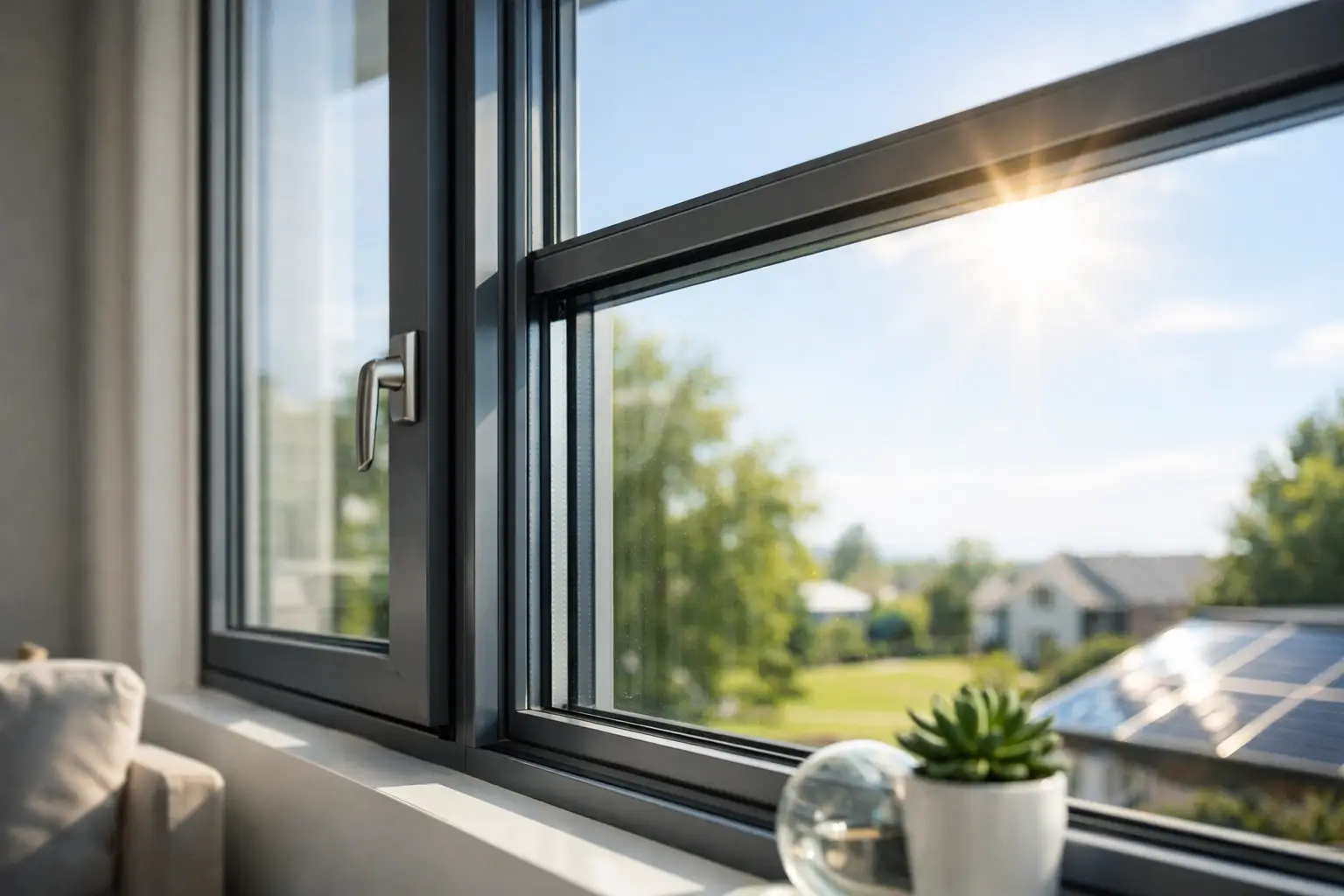
Fixed Aluminum Picture Windows Explained
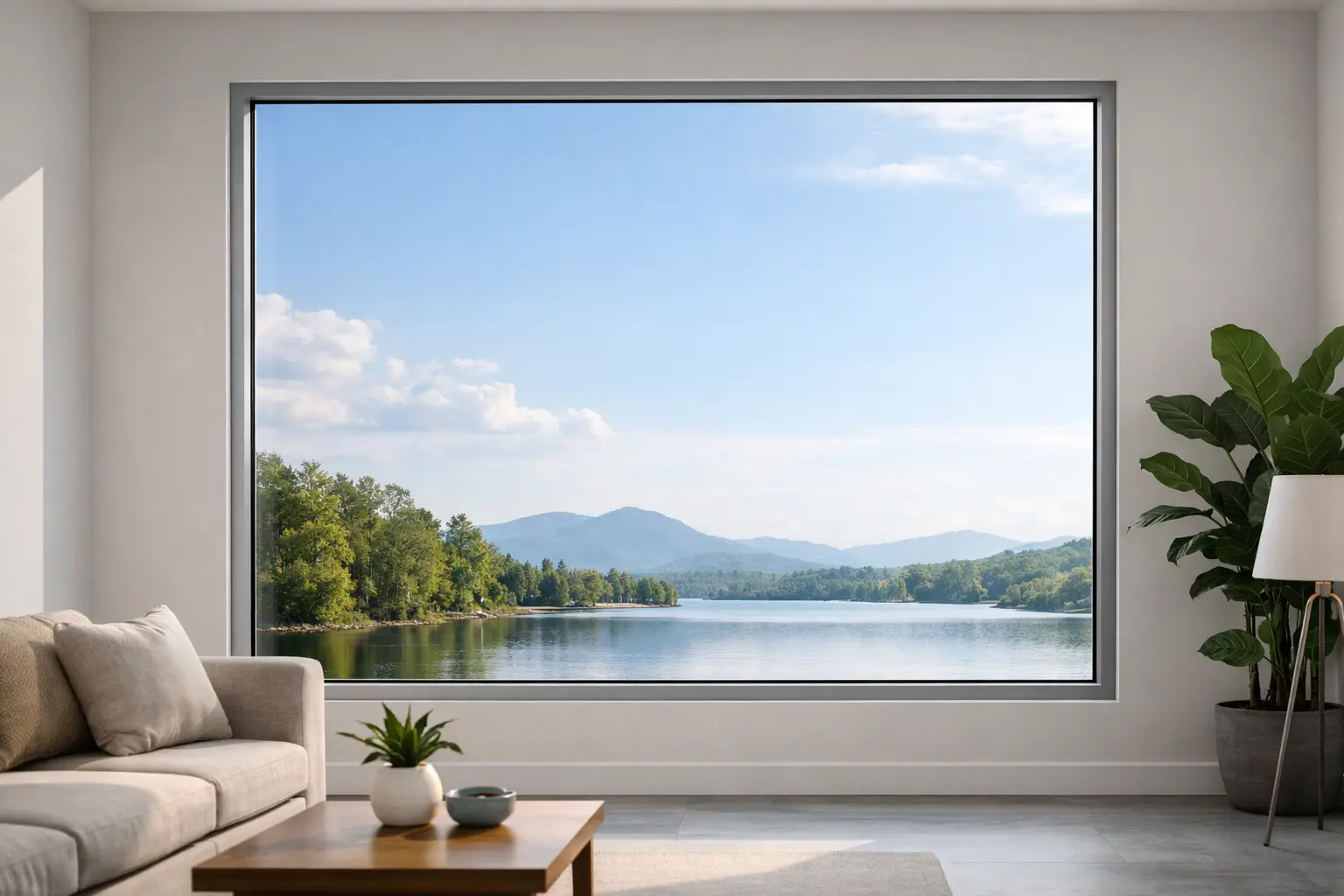
A wall of glass can look effortless on paper and become highly technical the moment it reaches structural review, energy targets, and installation detailing. Fixed aluminum picture windows sit at the center of that conversation because they are often the cleanest way to capture long-range views, bring in consistent daylight, and preserve a disciplined exterior elevation without adding operable hardware where it is not needed.
For architects, builders, and homeowners specifying contemporary homes, the appeal is straightforward. A fixed unit eliminates the compromises that come with sash movement, screen integration, and operational clearances. What remains is the essential performance question: how do you achieve large-format glazing, refined sightlines, and thermal control in a climate that can move from intense sun to snow load and subfreezing temperatures within the same season?
What fixed aluminum picture windows do best
Fixed aluminum picture windows are designed for transparency first. Because they do not open, the frame can be optimized around strength, glass support, and minimal visual interruption. That makes them especially effective in living rooms, stair towers, double-height spaces, and any elevation where the priority is view capture rather than ventilation.
Aluminum is central to that equation. Properly engineered aluminum systems allow narrower profiles than many bulkier alternatives, which increases the glass-to-frame ratio and gives modern architecture its crisp, controlled appearance. In larger openings, that strength matters. A picture window may read as simple, but behind that simplicity is a frame asked to hold significant insulated glass weight while staying dimensionally stable through seasonal expansion, contraction, and wind pressure.
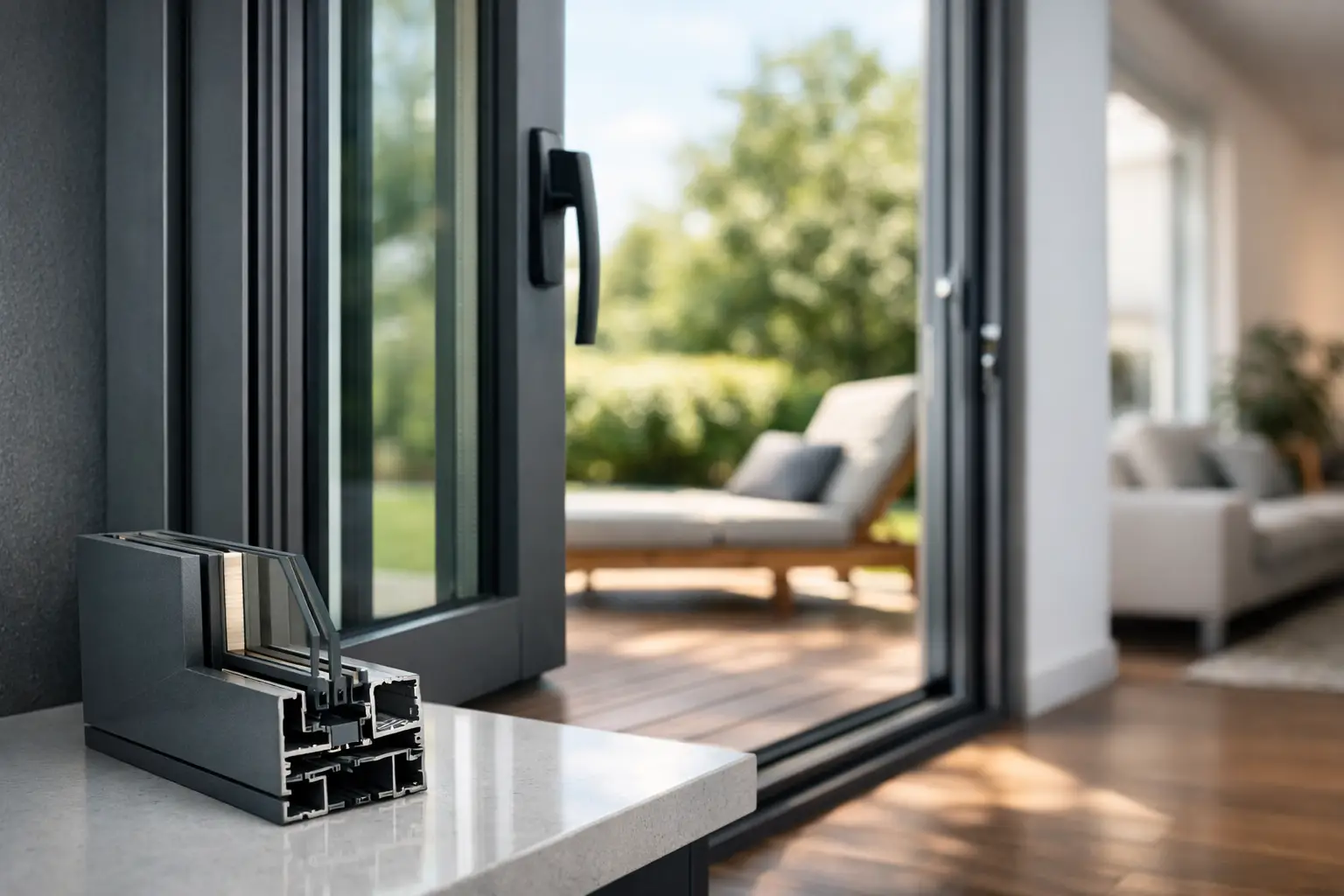
This is where specification matters more than category. Not every aluminum window is appropriate for high-performance residential work, particularly in colder regions. Thermally broken framing changes the discussion by separating interior and exterior aluminum surfaces, reducing conductive heat transfer and helping the window perform more like a premium building-envelope component rather than a purely aesthetic one.
Why fixed aluminum picture windows suit modern architecture
The strongest argument for this window type is not only the view. It is the discipline it brings to a facade. Large fixed glazing can align with slab edges, parapets, and interior finish lines with a precision that operable units sometimes disrupt. If the design intent depends on clean geometry and uninterrupted glass fields, fixed systems usually provide the sharpest result.
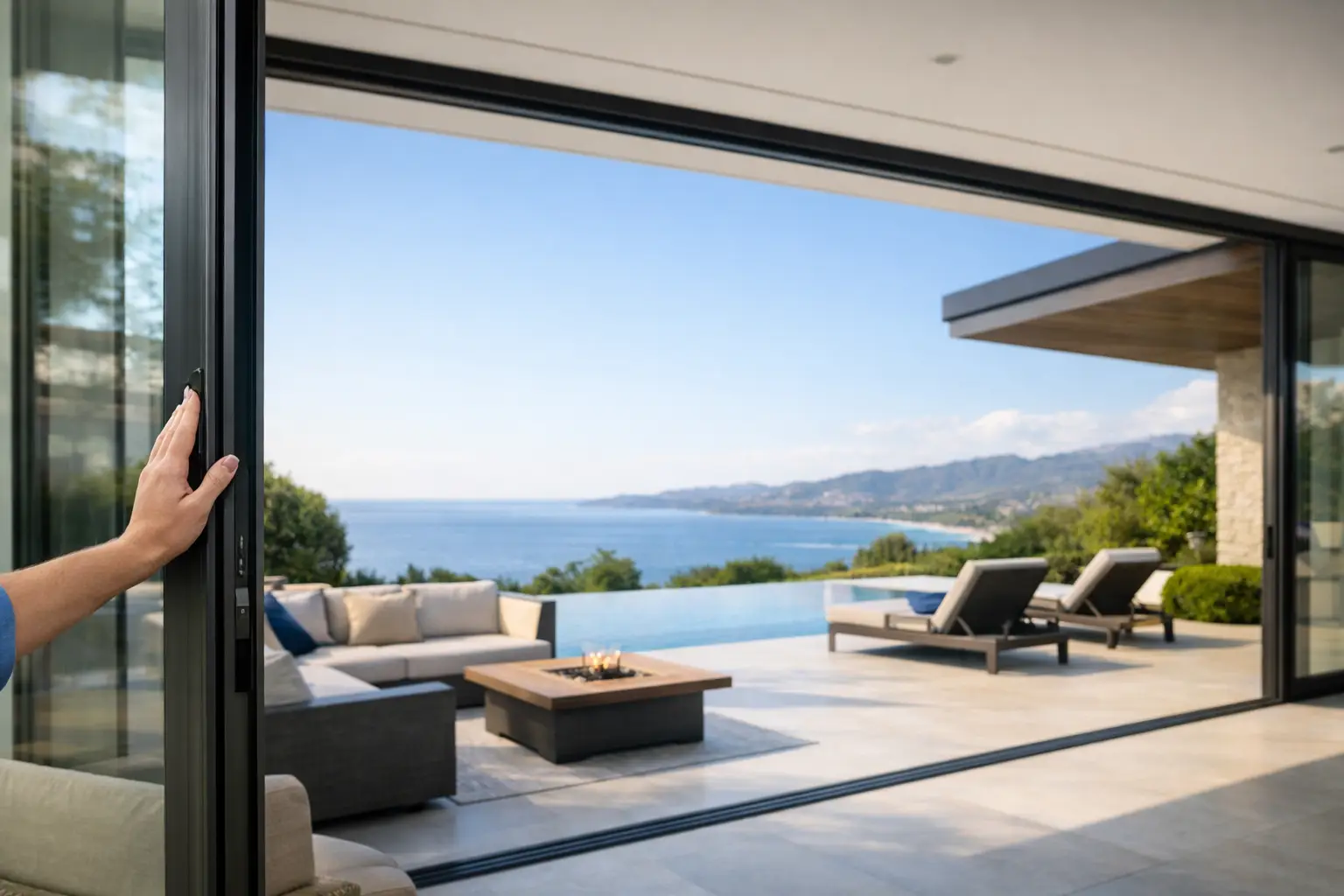
There is also a compositional advantage. Fixed units pair well with operable windows placed only where airflow is needed. That allows the facade to remain visually calm while ventilation is handled strategically by casement, awning, or slider units elsewhere in the assembly. In practice, this often produces a better elevation and a better user experience than forcing every opening to operate.
Inside the home, the effect is equally deliberate. Refined sightlines reduce visual clutter at the perimeter, which gives finishes, furnishings, and landscape stronger continuity. In mountain or foothill settings, where the site itself is a major design feature, the best window is often the one that steps back visually and lets the landscape carry the room.
Thermal performance is where good systems separate from generic ones
In a mild climate, a picture window can be judged mostly on appearance. In Colorado and across the Rocky Mountain region, that approach tends to fail quickly. Fixed glazing must contend with winter cold, high-altitude UV exposure, strong solar gain, and meaningful day-to-night temperature swings. That makes glass specification and frame design inseparable.
A thermally broken aluminum frame is the baseline for serious residential performance. Without it, aluminum's conductivity works against the building envelope. With it, the system becomes viable for homes that need both a modern aesthetic and measurable thermal control. Glass also carries much of the load. Tempered insulated glass with a low-E coating helps reduce heat transfer while managing solar gain and interior comfort.
The trade-off is worth stating clearly: larger glass areas can still increase the importance of orientation, shading, and overall energy modeling. Even a high-quality fixed window is not a free pass to ignore west-facing exposure or unprotected summer sun. The strongest projects coordinate glazing size, overhang depth, and room function early, rather than trying to solve comfort issues after fabrication.
Size, span, and structural considerations
One reason fixed units are popular in premium residential work is their ability to scale. Without moving parts, they can often achieve larger dimensions than operable windows in the same product family. That said, maximum size is never just a catalog question. It depends on design pressure requirements, glass makeup, elevation, wind exposure, and how the opening interfaces with adjacent structure.
For a builder or architect, this is where early manufacturer coordination saves time. A broad opening may be possible, but the exact configuration could change based on mullion requirements, transport limitations, or glazing weight. Sometimes the most refined result comes from a carefully composed multi-panel fixed assembly rather than a single oversized lite. The sightline remains slim, but the engineering becomes more practical.
This is also where aluminum has a clear advantage. Its strength-to-profile ratio supports larger expanses of glass without forcing the frame to become visually heavy. In projects aiming for thin perimeter lines and substantial daylight, that balance is difficult to replicate with less rigid materials.
Detailing matters as much as the window itself
A premium fixed window can underperform if the surrounding detail is treated casually. Head, sill, and jamb conditions influence water management, thermal continuity, and final appearance. Recess depth affects shadow lines. Interior trim decisions influence whether the frame reads as minimal or unintentionally bulky. Exterior transitions determine whether the window feels integrated into the facade or simply inserted into it.
This matters even more in contemporary architecture, where the expectation is tight alignment and restrained visual noise. Picture windows are unforgiving in the best way. They reward disciplined detailing and expose weak coordination immediately. If the design calls for flush interior finishes, narrow exterior trim, or a specific metal finish relationship with doors and cladding, those decisions should be resolved before release to production.
Factory-direct collaboration can help here because the conversation stays close to engineering and fabrication rather than passing through multiple layers of distribution. For custom homes with nonstandard openings, that direct line often results in cleaner resolutions and fewer late-stage compromises.
Where fixed aluminum picture windows make the most sense
These windows are most compelling where ventilation is secondary and the visual field is primary. Great rooms, dining spaces, stair landings, and primary suites often benefit from large fixed glazing because these areas are driven by light, view, and spatial experience. In urban settings, fixed windows also work well where privacy, height, or acoustic control reduce the practical value of operability.
They are less ideal when every opening is expected to contribute to passive airflow. In those cases, a mixed strategy usually performs better. Use fixed units to frame the architecture and operable units to support ventilation where people actually need it. That approach respects both form and function.
For projects with significant exposure or dramatic view corridors, fixed aluminum picture windows often become the anchor element of the facade. When paired with thermally broken framing and high-performance glass, they support the kind of expansive transparency that design-driven homes demand without defaulting to oversized commercial-looking assemblies.
Choosing the right system
The best specification is rarely about one feature. It is the combination of profile refinement, thermal break design, glass package, finish quality, hardware standards across the broader window set, and the manufacturer’s willingness to coordinate on project-specific conditions. A window that looks minimal in a showroom but cannot meet the performance demands of the site is not a premium solution.
That is why serious buyers tend to look beyond generic product categories and into how the system is engineered. Can it support large dimensions with controlled sightlines? Is the thermal performance appropriate for an alpine or foothill climate? Are finish options aligned with the rest of the architectural palette? Can the manufacturer work directly with the design and construction team when details become project-specific?
For firms and homeowners who want clean modern glazing without the usual markup layers, that combination has made brands like ViewLux Colorado particularly relevant in the regional market. The value is not just pricing efficiency. It is the ability to specify architecturally refined aluminum systems with climate-appropriate performance and direct project support.
Fixed aluminum picture windows are at their best when they are treated as part of the architecture, not as a generic opening filled with glass. Get the proportions, thermal strategy, and detailing right, and the result is quiet but unmistakable - more light, more view, and less frame competing for attention.