Guide to Aluminum Window Performance

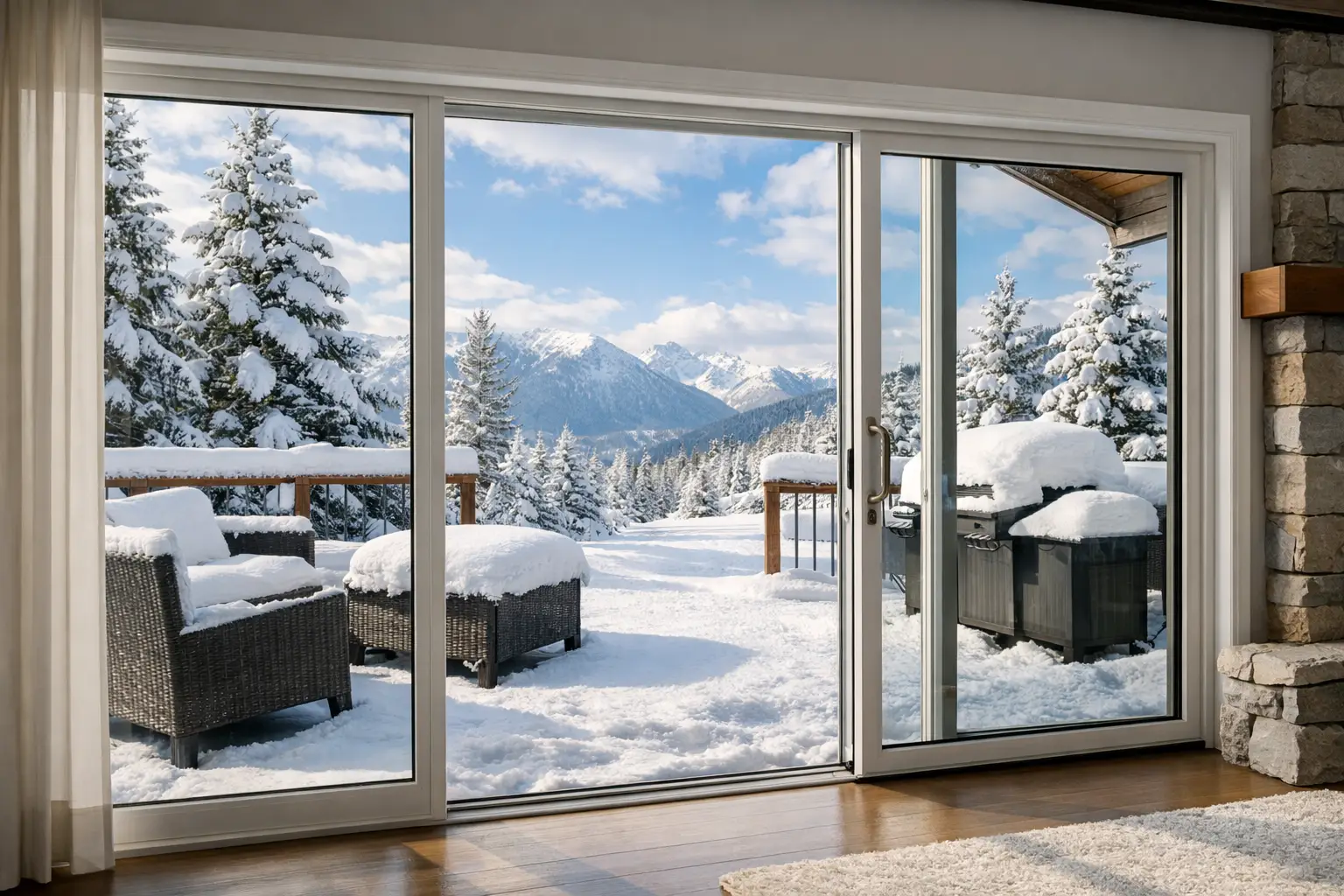
A narrow black frame can look perfect on paper and fail badly in the field if the system behind it is underbuilt for altitude, solar gain, and winter exposure. That is why any serious guide to aluminum window performance has to start past aesthetics. Frame material matters, but the real story is how the full assembly handles heat flow, air infiltration, structural load, condensation risk, and glass behavior across seasons.
For architects, builders, and informed homeowners, aluminum is often chosen for one reason first - clean sightlines. It allows larger glazed areas, sharper profiles, and a more architectural finish than many alternative materials. But not all aluminum windows perform at the same level. In demanding climates, especially where cold winters, intense sun, and wide day-night temperature swings are normal, specification quality matters far more than the label on the frame.
What aluminum window performance actually means
When people compare windows, they often reduce the conversation to energy efficiency alone. That is incomplete. Aluminum window performance is a combination of thermal behavior, weather resistance, structural strength, acoustic control, and long-term durability.
A high-performing aluminum system should limit heat transfer, resist unwanted air leakage, manage water under pressure, and maintain frame stability under wind and temperature stress. It should do that while preserving the design intent - narrow profiles, large openings, consistent finish quality, and reliable hardware operation. If one of those pieces is weak, the whole package starts to show compromises.
This is why spec sheets need to be read as a system, not as isolated claims. A very attractive frame paired with ordinary glass or a poor thermal break can miss the mark. The same is true in reverse. Strong glass performance cannot fully compensate for a frame that conducts cold or allows air movement at the perimeter.
The core metrics in any guide to aluminum window performance
The most useful place to begin is with the ratings that describe how a window behaves. These numbers are not the full story, but they create a solid baseline for comparison.
U-factor
U-factor measures how readily heat passes through the entire window assembly. Lower numbers indicate better insulation performance. In colder climates, this metric deserves close attention because it affects interior comfort near the glass, heating demand, and condensation potential. For aluminum systems, strong U-factor results usually depend on a well-engineered thermal break combined with high-performance insulated glass.
Solar Heat Gain Coefficient
SHGC measures how much solar radiation passes through the window as heat. Lower SHGC reduces solar heat gain, which can be beneficial on highly exposed elevations. Higher SHGC can be useful when passive winter gain is desirable. The right number depends on orientation, glazing area, shading conditions, and mechanical strategy. There is no universal best value.
Air leakage
Air leakage is often underrated until occupants feel drafts. Even a window with respectable thermal values can underperform if infiltration rates are high. Tight air leakage performance supports comfort, energy control, and occupant satisfaction, especially at higher elevations or in windy areas.
Condensation resistance
Condensation resistance reflects how well the interior surface temperature stays above the dew point. This matters for comfort, finish protection, and long-term durability around the opening. Better-performing aluminum systems reduce the cold bridging that causes interior edge cooling.
Design pressure and structural performance
For larger openings, structural metrics matter as much as thermal ones. Wind load resistance, deflection limits, and overall frame rigidity determine whether the unit performs as designed over time. A slender frame only works when the engineering behind it is strong enough to support the glass and hardware without sacrificing operation.
Why thermal breaks are the defining feature
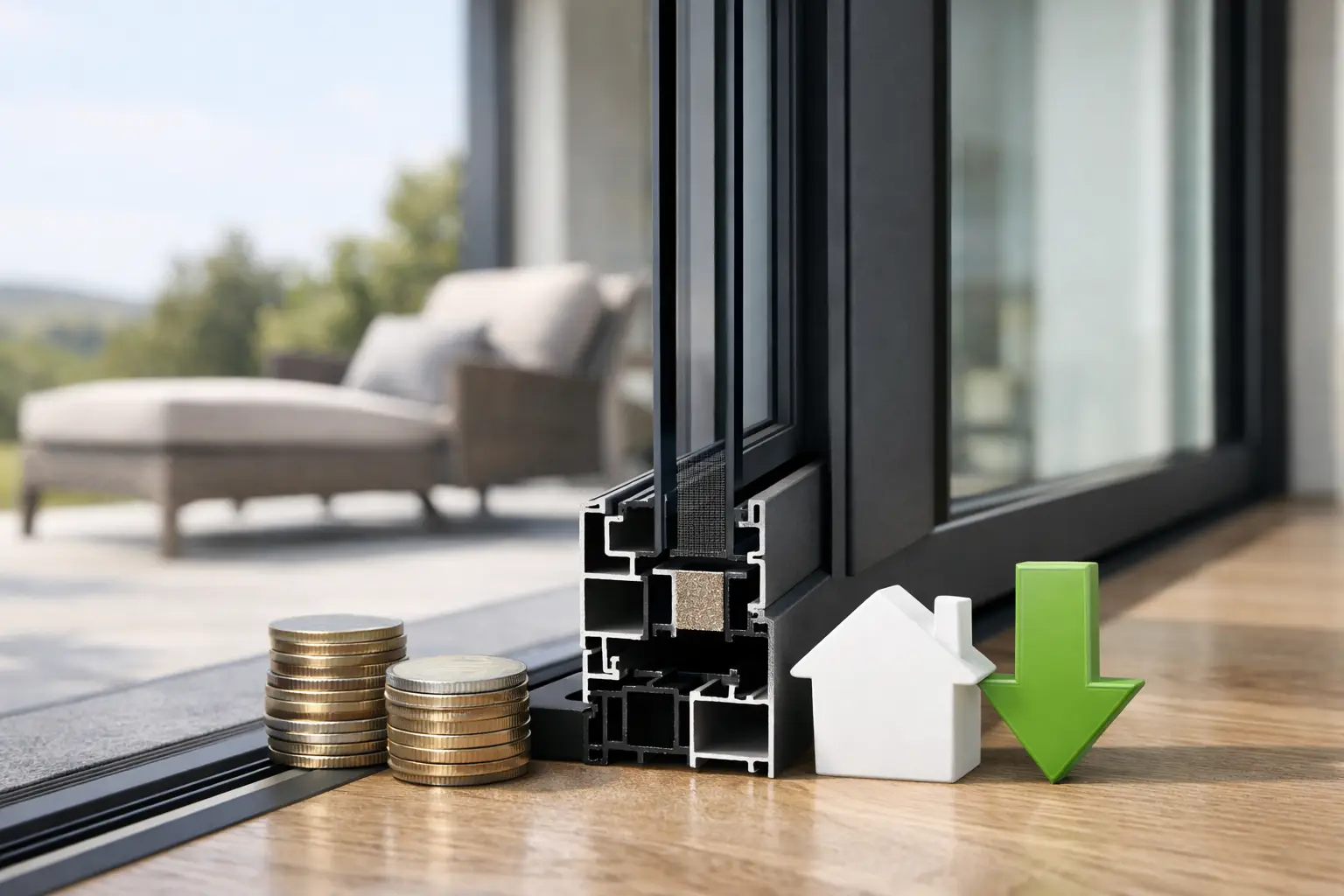
If there is one detail that separates basic aluminum from architectural-grade aluminum, it is the thermal break. Aluminum itself is highly conductive. Without a proper barrier between interior and exterior aluminum components, heat and cold move through the frame too easily.
A thermally broken system interrupts that transfer path with a non-conductive material integrated into the frame and sash. In practice, that improves U-factor, raises interior surface temperatures, and reduces condensation risk. It also makes the window feel more stable to occupants standing near the glass in winter.
Not all thermal breaks are equal. Width, material quality, assembly method, and overall frame design all affect results. A minimal thermal separator may help with baseline code performance, but premium applications often require a more substantial approach, particularly where large glass units and exposed conditions are involved.
Glass specification does more work than many buyers realize
Frame performance matters, but the glass package carries a major share of the thermal load. This is where the conversation shifts from material preference to actual building performance.
Insulated glass units, low-emissivity coatings, spacer selection, gas fill, and tempered safety requirements all influence how the window performs. A standard tempered low-E2 insulated unit can provide a strong baseline for many residential and architectural applications because it improves thermal performance while supporting solar control and safety. But the correct build still depends on orientation and project goals.
South-facing glass may need a different solar strategy than north-facing glass. Expansive west exposures often require more caution because afternoon heat gain can affect comfort and cooling loads. High-altitude sunlight adds another layer. In mountain and front-range projects, the wrong SHGC target can create either overheating or missed opportunities for winter gain.
Spacer systems also deserve attention. Better edge-of-glass performance helps reduce condensation and improves whole-unit thermal behavior. This is one of those details that rarely appears in design conversations early enough, even though it can materially affect occupant experience.
Performance is not separate from design
There is a common assumption that stronger thermal performance requires visibly heavier frames. Sometimes that is true. Often, it is more nuanced. Good aluminum window engineering balances profile refinement with insulating performance, structural demands, and hardware integration.
Casement and awning windows generally achieve better air and water performance than sliders because of how they seal when closed. Fixed windows can often deliver the best thermal numbers because they have fewer moving parts and tighter compression sealing. Sliding systems offer a different value - cleaner operation for large spans and a more minimal spatial footprint - but usually require careful specification to reach premium performance targets.
This is where the opening type should follow the performance need, not just the elevation concept. If a façade demands maximum ventilation and tight weather performance, a casement may be the right answer. If the priority is uninterrupted glass and no need for ventilation, fixed units may be more efficient and more elegant. For large contemporary compositions, mixing fixed and operable modules often produces the best technical and visual result.
Installation quality can erase good specifications
A well-engineered window can still disappoint if the installation is careless. Air sealing, flashing integration, shimming, anchoring, and perimeter insulation all affect real-world performance. The interface between frame and wall is part of the system, not an afterthought.
This is especially relevant in custom residential construction, where wall assemblies vary widely. A window detailed for continuous insulation, deep exterior cladding, or recessed installation needs coordination early. Poor transitions at the rough opening can create water risk, thermal bridging, and air leakage that no product rating can overcome.
For design teams and builders, this is one reason direct coordination with the manufacturer can be valuable. It shortens the distance between specification intent and field execution.
How to judge aluminum window performance for your project
The best specification starts with project conditions, not generic rankings. Climate exposure, elevation, orientation, opening size, energy targets, and architectural language all shape the right choice.
For a modern home with large fixed glass and selective ventilation points, prioritize thermally broken frames, strong whole-unit U-factors, low air leakage, and glass tuned by elevation and orientation. For a mountain-facing project with heavy wind exposure, structural ratings and water resistance deserve equal weight. For an urban infill project where acoustics matter, laminated glass options may become part of the performance conversation.
Price also needs context. Lower first cost can become expensive if it leads to condensation complaints, comfort issues, or premature hardware wear. At the same time, the most expensive system is not automatically the most appropriate. The right value is a window that meets the design brief, performs reliably in the actual climate, and avoids unnecessary compromise.
For firms and homeowners seeking refined sightlines without accepting weak thermal behavior, this is the current benchmark: aluminum systems engineered with meaningful thermal breaks, premium hardware, carefully selected insulated glass, and project-level support from specification through delivery. That is where aesthetics and measurable performance stop competing with each other.
A good window should disappear visually and prove itself physically. If the system is specified well, most people will never talk about it again after move-in - which is usually the clearest sign it was the right choice.