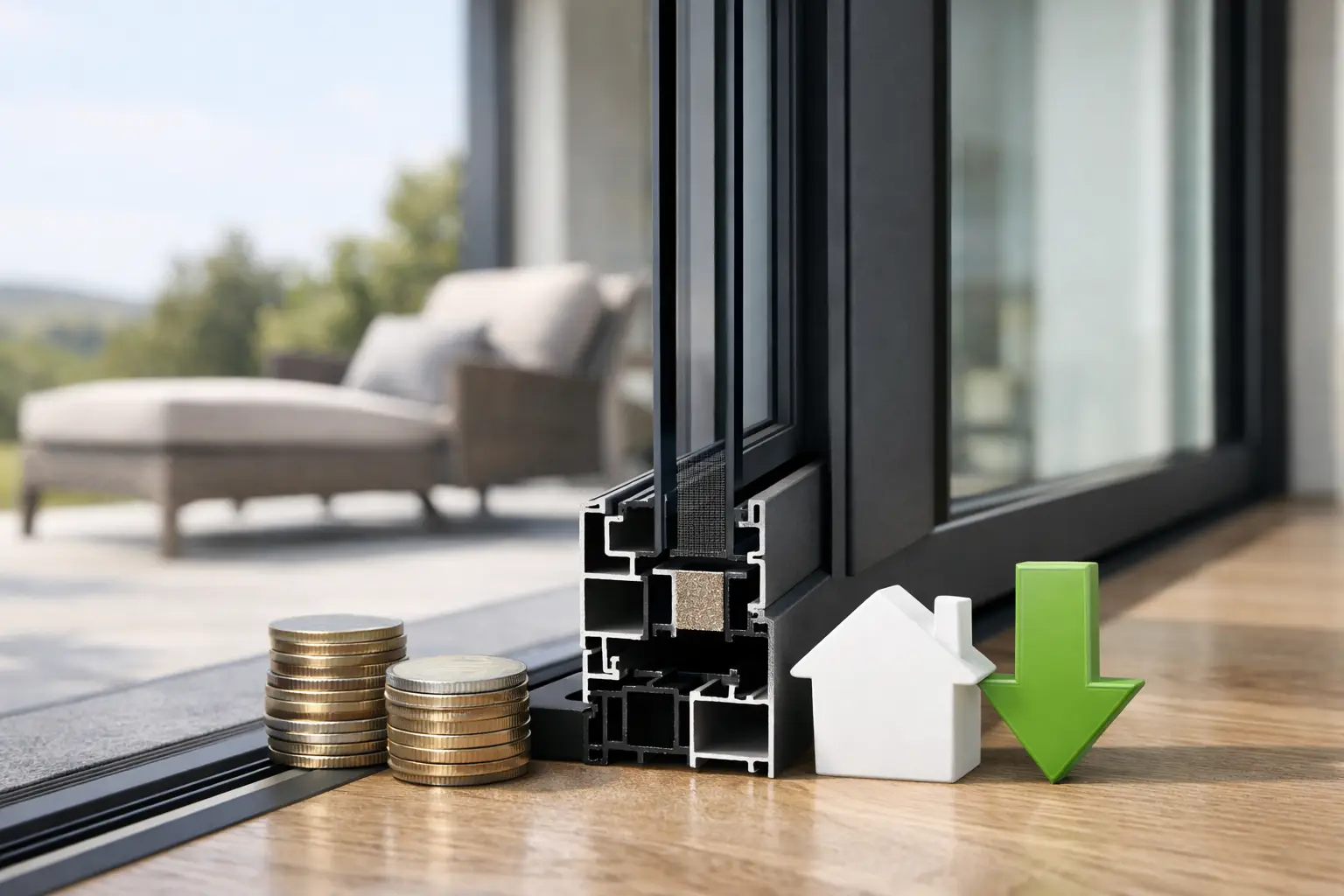
Best Patio Doors for Snow Loads
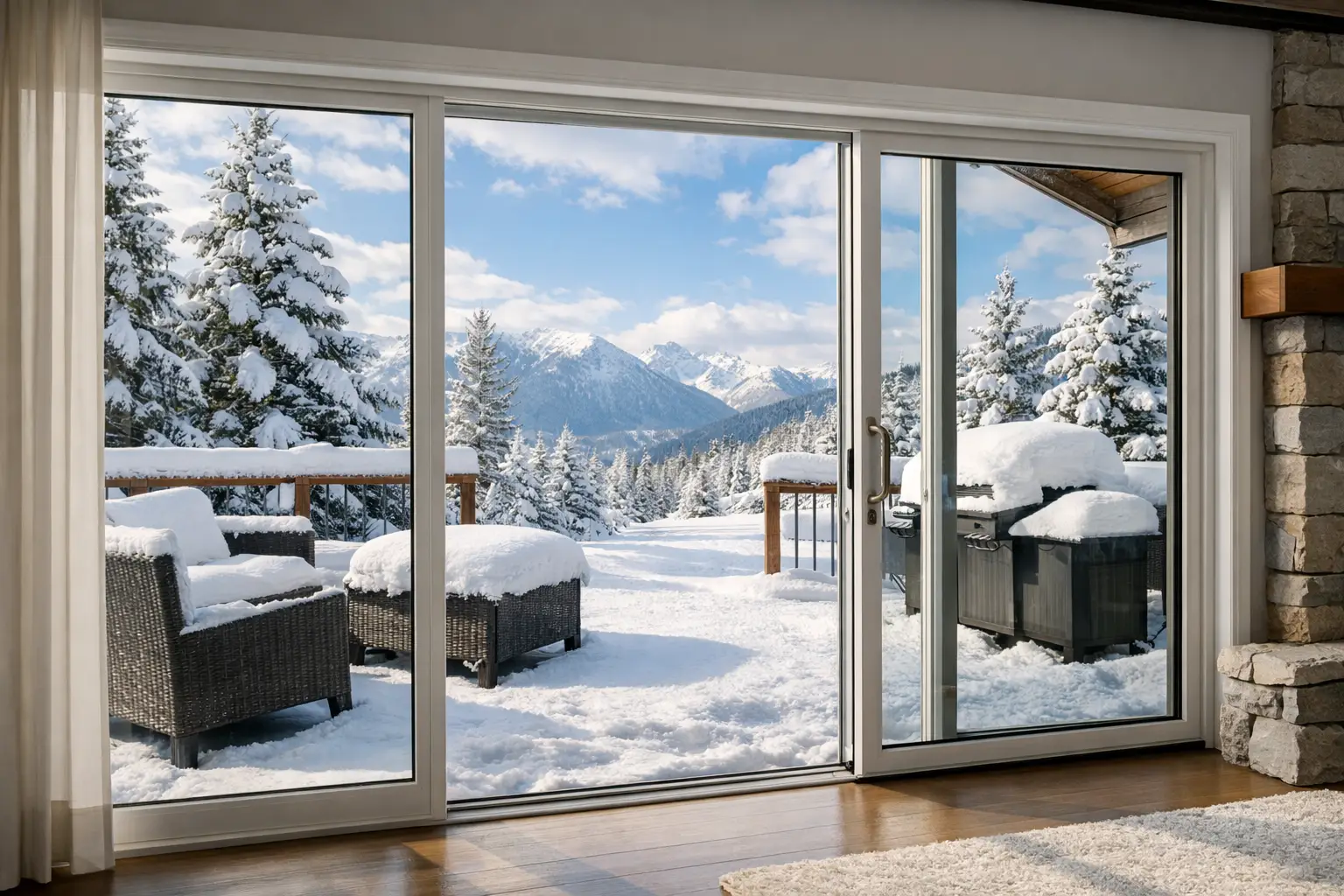
A patio door can look perfectly suited to a mountain home on paper, then start showing its limits in the first hard winter. The issue is not only snow sitting outside the glass. It is the combined effect of structural loading, freeze-thaw cycling, water management, thermal movement, and hardware performance. That is why choosing the best patio doors for snow loads requires more than comparing styles.
In high-snow regions, the right door system has to carry weight, resist deflection, maintain weather seals, and continue operating when temperatures swing sharply. Large glass openings are still possible, but they need the right engineering behind them. For architects, builders, and homeowners specifying premium fenestration, the better question is not which patio door looks best. It is which system will hold its geometry, preserve thermal performance, and remain reliable under real winter conditions.
What snow loads actually mean for patio doors
Snow load is often discussed in roof design, but it affects door openings in more indirect ways. Accumulated snow can press against exterior panels and tracks, block drainage paths, increase moisture exposure at the sill, and create repeated icing around moving parts. In mountain conditions, those stresses are amplified by sun exposure during the day and rapid temperature drops at night.
For a patio door, the concern is rarely one simple point of failure. More often, it is a chain of smaller performance issues. A frame that deflects too much can compromise gasket compression. A sill that does not drain efficiently can allow standing water to freeze. Hardware that is undersized for heavy insulated glass can lose alignment over time. When that happens, the door may still close, but it no longer performs like a premium system.
This is why snow-prone projects should be evaluated as assemblies, not product categories. Frame material, panel size, glazing weight, hardware grade, and installation detailing all matter together.
Best patio doors for snow loads: which types perform best?
The best patio doors for snow loads are typically not the lightest or the least expensive systems. They are the ones engineered to remain stable under weight, moisture, and temperature stress.
Lift-and-slide and heavy-duty sliding doors
For large openings in snowy climates, heavy-duty sliding systems are often the strongest choice. A well-engineered lift-and-slide door is designed to carry substantial panel weight while maintaining precise movement. That matters when insulated glass units are large, frame profiles are slim, and exterior conditions are demanding.
The advantage is not simply structural capacity. Better sliding systems also tend to have more disciplined water management at the sill and more substantial hardware packages. When specified correctly, they can deliver expansive views with fewer compromises than many wide-opening alternatives. The trade-off is that quality matters enormously. A lightly built slider may be one of the weaker options in a snow zone, while a true heavy-duty system can be one of the best.
Swing and French doors
Swing doors can perform very well under snow load conditions because they do not rely on a track in the same way sliding panels do. Compression seals are often strong, and the closing action can create a tight weather seal when the system is properly manufactured and installed.
That said, outswing and inswing configurations each have implications. Snow buildup outside an outswing door can interfere with operation if clearance is not considered. Inswing doors avoid that issue, but they change drainage and threshold detailing. For narrower openings or projects where operation in heavy winter weather is a priority, a well-built swing or French door remains a credible option.
Bifold doors
Bifold doors are usually the most conditional choice in high-snow environments. They can create dramatic openings, but they also introduce more panel joints, more hardware points, and greater exposure at the sill. In mild climates, that may be acceptable. In snow country, those variables need much closer scrutiny.
That does not mean bifolds are unsuitable in every case. It means they require disciplined specification, conservative sizing, and excellent installation. If the project places winter durability above maximum opening width, sliding or swing systems often offer a stronger performance margin.
The frame matters more than many buyers realize
Material selection is central to snow-load performance. Vinyl can be cost-effective, but for large-format contemporary doors it often reaches its limits sooner in terms of rigidity, profile size, and long-term dimensional stability. Wood offers warmth and good insulation, yet it demands more maintenance where moisture and freeze-thaw cycles are persistent.
Thermally broken aluminum stands out for design-driven projects because it combines structural strength with refined sightlines and improved thermal control. That combination is especially relevant in mountain architecture, where large panes of glass and narrow frames are common. A properly engineered thermal break helps reduce conductive heat transfer, while the aluminum structure provides the stiffness needed for bigger panels and higher-performance hardware.
This is where premium systems separate themselves from commodity products. A patio door for a snow region should not only meet a style brief. It should be able to support the weight of modern insulated glazing, hold tolerances through seasonal movement, and maintain consistent air and water performance.
Glazing, weight, and thermal performance
Glass selection has a direct impact on how a patio door performs in winter. Larger insulated units with high-performance coatings improve comfort and energy efficiency, but they also increase panel weight. That added weight affects rollers, hinges, locks, and frame deflection.
For this reason, the best patio doors for snow loads are rarely defined by frame alone. They are defined by how the entire system is engineered around the glass package. Tempered glass with low-E coatings should be standard in this category, not an upgrade. In colder climates, the goal is to reduce heat loss, control interior glass temperatures, and limit condensation risk near the edges and frame.
There is always a balance to strike. Triple glazing can improve thermal numbers, but it also adds significant mass. On some openings, that trade-off is worthwhile. On others, a high-quality dual-pane insulated unit with the right coating package may be the more practical choice, particularly if panel size or daily operation is a priority.
Sill design is often the deciding factor
Many patio door failures in snow-prone settings begin at the bottom of the opening. If melting snow has nowhere to go, water sits in the track, refreezes, and starts stressing seals and hardware. Even a strong frame can be undermined by poor sill design.
A high-performing patio door should include deliberate water management, not a decorative threshold profile. The sill should direct water out efficiently, protect against intrusion under wind-driven conditions, and accommodate the realities of snowpack and ice. Low-profile sills can look clean and support accessibility, but they must be designed with real drainage capacity. Otherwise, the visual refinement comes at a performance cost.
Installation detailing matters just as much here. Flashing, slope, substrate prep, and integration with the surrounding wall are part of the door’s weather performance. A premium door installed casually can become an average door very quickly.
Hardware quality is not a minor detail
Cold-weather operation depends heavily on hardware. Rollers, hinges, locking points, and handle mechanisms all work harder when panels are heavy and winter conditions are severe. If hardware quality is mediocre, the door may begin to drag, misalign, or resist locking long before the frame itself shows obvious distress.
Architects and builders should pay close attention to hardware origin, load ratings, and testing. Top-tier hardware tends to deliver smoother movement, tighter tolerances, and better longevity under repeated use. This is especially important in large-format doors where every performance demand is magnified.
For direct-supplied premium systems, this is one of the clearest differentiators. High-end manufacturers can pair thermally broken aluminum frames with top-of-the-line hardware and still deliver better value than dealer-layered distribution models. That matters when a project needs both architectural refinement and measurable durability.
How to specify the right patio door for a snow region
Start with the opening size and the actual exposure conditions, not the inspiration image. A protected courtyard door and a fully exposed elevation at high altitude are not the same specification problem.
Then evaluate the system in four areas: structural capacity, thermal performance, water management, and hardware durability. If one of those categories is weak, the whole assembly becomes less reliable. Ask how the door handles panel weight, how the sill drains, what glazing package is standard, and whether the frame is thermally broken.
It is also worth being realistic about how the space will be used in winter. If the door will be opened frequently after storms, operability under snow conditions becomes a larger factor. If the opening is primarily about views and daylight, a heavier sliding system may make more sense than a bifold.
For Rocky Mountain projects, that discipline usually leads toward heavy-duty sliding or lift-and-slide systems, or carefully detailed swing doors for smaller openings. The best choice depends on scale, exposure, and design intent, but the pattern is consistent: refined aesthetics work best when backed by engineering that anticipates winter rather than merely tolerates it.
A patio door in snow country should still feel elegant on a clear blue day in January. That is the standard worth specifying for.