Are Aluminum Windows Energy Efficient?
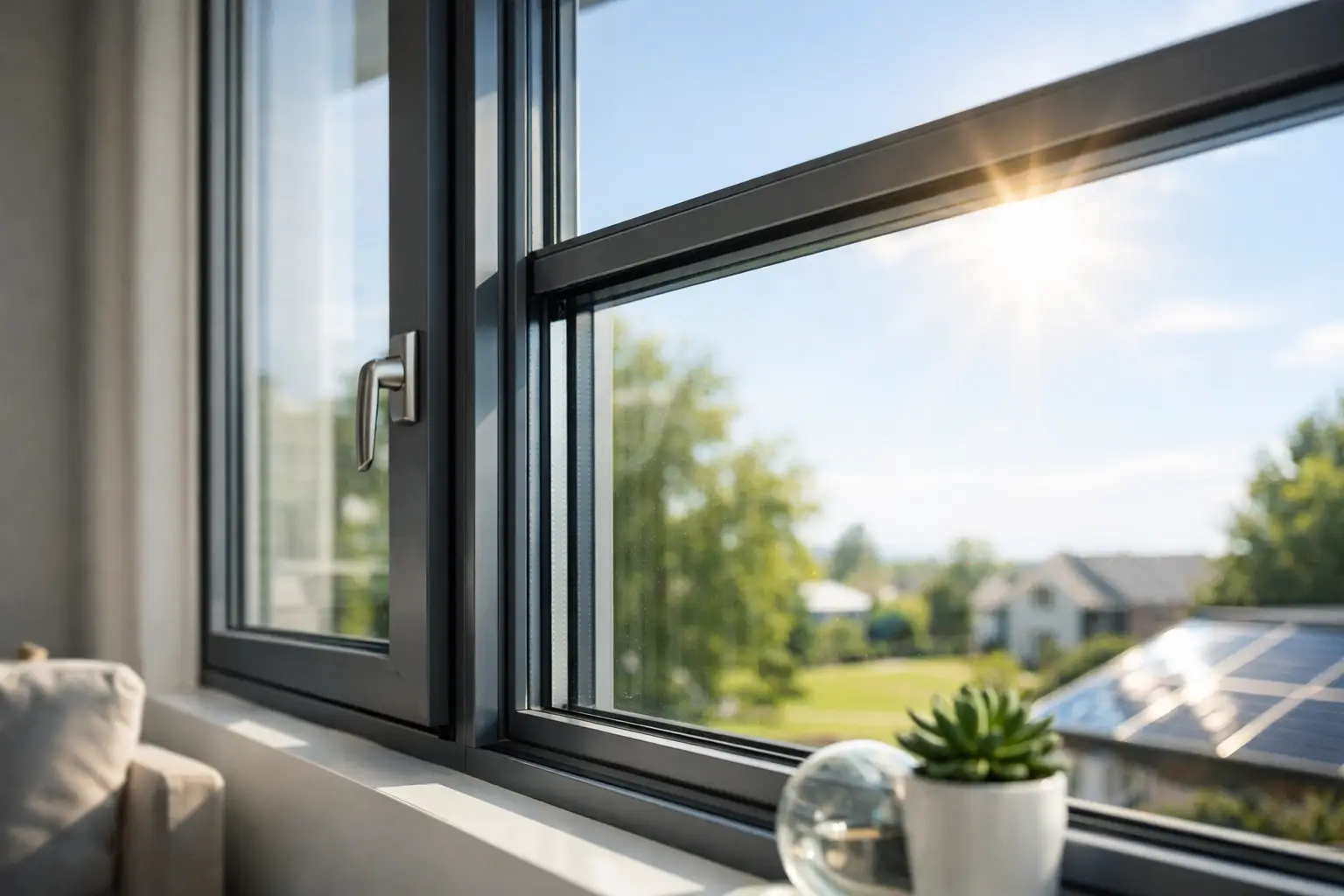
If you are specifying large glass openings or pursuing slimmer sightlines, the question is not simply are aluminum windows energy efficient - it is which aluminum window is being evaluated. Older aluminum frames earned a reputation for heat transfer, condensation, and cold interior surfaces. Modern thermally broken systems are a different category altogether, especially when paired with high-performance glazing and detailed installation.
For architects, builders, and homeowners working in demanding climates, that distinction matters. Frame material alone does not determine energy performance. The full assembly - frame design, thermal break technology, glass package, air sealing, spacer system, and installation quality - determines whether an aluminum window becomes a liability or a high-performing part of the envelope.
Are Aluminum Windows Energy Efficient in Modern Construction?
Yes, they can be. A properly engineered aluminum window can deliver strong thermal performance while preserving the narrow profiles and structural strength that make aluminum desirable in contemporary architecture.
The key qualifier is properly engineered. Standard aluminum is highly conductive. Left untreated, it moves heat and cold quickly from one side of the frame to the other. That is why older aluminum products often felt cold to the touch in winter and contributed to condensation around the perimeter.
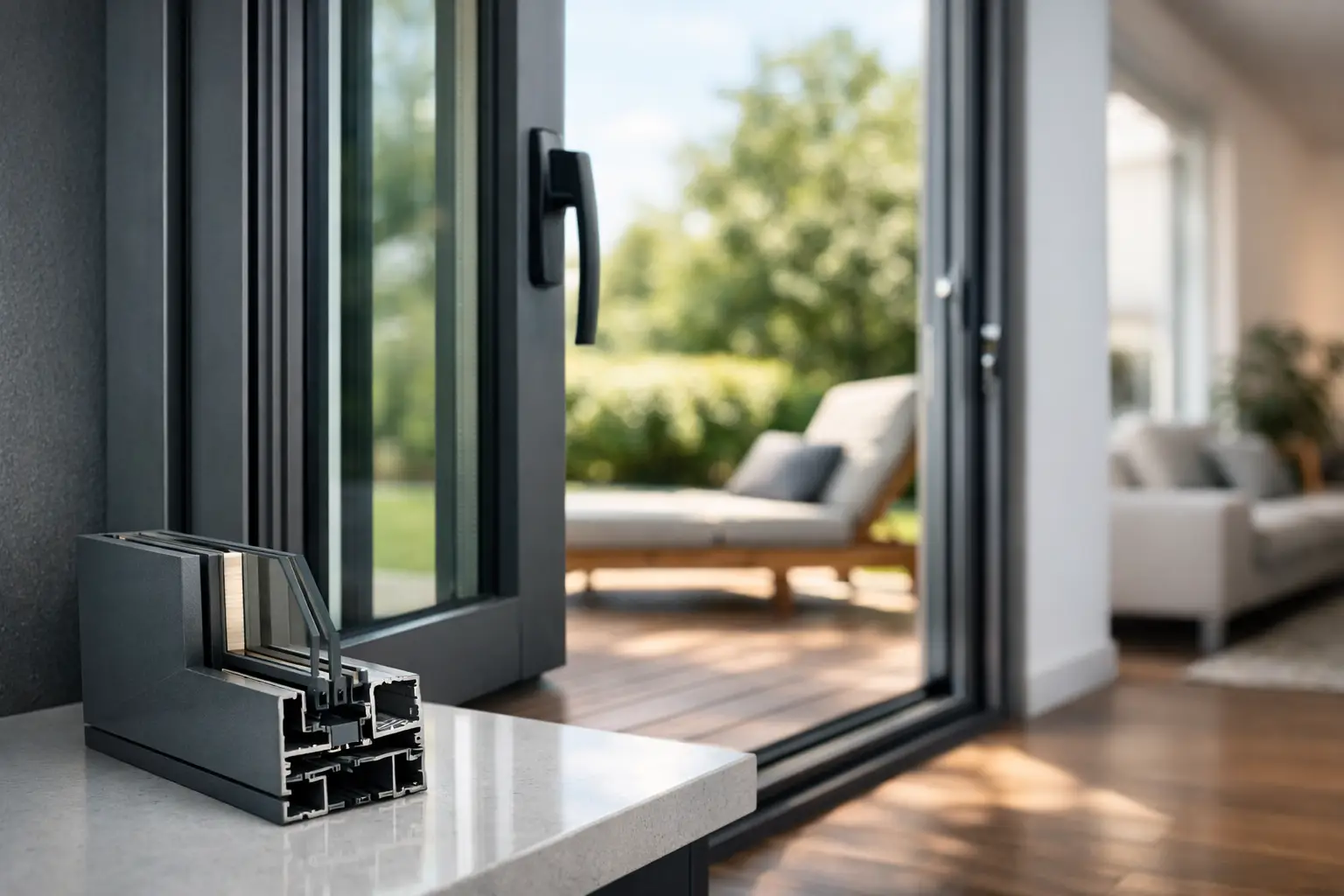
Modern systems solve that problem with a thermal break. In a thermally broken aluminum frame, the interior and exterior aluminum sections are separated by a non-conductive material, typically polyamide. This interruption dramatically reduces heat transfer through the frame. Instead of acting as a direct thermal bridge, the frame becomes part of a controlled, insulated system.
That shift is what changed the conversation around aluminum. Without a thermal break, aluminum is difficult to justify in climates with wide seasonal swings. With a well-designed thermal break, aluminum becomes a credible option for energy-conscious residential and architectural projects.
What Actually Determines Aluminum Window Performance?
When clients ask whether aluminum windows are efficient, they are often asking the wrong question. The better question is how the complete window performs under tested conditions.
U-factor is one of the most important metrics. It measures how readily a window transfers heat. Lower numbers indicate better insulating performance. Solar heat gain coefficient matters as well, particularly in elevations with strong sun exposure. Air infiltration, condensation resistance, and visible transmittance also deserve attention depending on the project goals.
Frame design is only one part of that equation. Glass specification often has equal or greater impact. Double-pane insulated glass with Low-E coatings and argon fill can significantly improve thermal performance. In colder or more exposed settings, triple glazing may be worth considering, although it introduces cost, additional weight, and sometimes thicker sightlines.
Spacer systems also influence performance at the edge of the glass, where condensation often begins. Warm-edge spacers help reduce thermal bridging around the perimeter of the insulated glass unit. That detail can improve comfort even when headline performance numbers appear similar.
Then there is installation. A strong window can underperform if the perimeter is not properly integrated with the wall assembly. Air leakage, water intrusion, and thermal bypass around the frame can undermine the value of a premium product. For high-performance work, installation should be treated as part of the specification, not an afterthought.
Why Aluminum Still Gets Misunderstood
Aluminum still carries baggage from an earlier generation of products. Much of that reputation is deserved. Non-thermally broken aluminum windows were common in commercial and residential construction for years, and many performed poorly in cold weather.
The problem is that outdated assumptions still get applied to modern systems. That creates an unfair comparison. Evaluating a current thermally broken aluminum window against a decades-old non-broken frame is like judging current insulated glass by the standards of single-pane glazing.
This misunderstanding is especially common when comparing aluminum to vinyl or wood in broad terms. Vinyl has naturally lower conductivity, and wood is a good insulator. Those material properties matter. But they do not automatically make every vinyl or wood window more efficient than every aluminum one. A high-quality thermally broken aluminum window with a strong glass package can outperform a lower-grade product made from a more inherently insulating material.
How Aluminum Compares to Vinyl and Wood
Aluminum, vinyl, and wood each involve trade-offs. There is no universal winner across every project.
Vinyl is often chosen for cost efficiency and decent thermal performance. It can be an effective solution in many residential applications. But vinyl frames usually require bulkier profiles to achieve structural performance, and that can limit the refined sightlines many modern homes demand. In larger openings, expansion and contraction can also become a design consideration.
Wood offers strong insulation and a warm interior finish. It remains a compelling choice for traditional architecture and some custom residential work. The trade-off is maintenance, especially in demanding sun, moisture, and freeze-thaw conditions. Wood-clad systems reduce some of that burden, but they also add complexity and cost.
Aluminum stands apart in structural strength, dimensional stability, finish durability, and the ability to support expansive glass with minimal visual weight. Those advantages are particularly relevant in contemporary homes where the window is expected to frame views, support larger spans, and maintain crisp geometry over time. Historically, the weakness was thermal performance. With advanced thermal breaks and high-performance glazing, that gap has narrowed substantially.
For many premium projects, the decision is not just about energy numbers. It is about balancing thermal performance with aesthetics, structural demands, durability, and opening size.
Are Aluminum Windows Energy Efficient Enough for Colorado?
In the Rocky Mountain region, efficiency is not an abstract benefit. It affects comfort near the glass, condensation risk, HVAC loads, and long-term operating costs. High-altitude sun exposure, cold winters, and significant temperature swings place real demands on the building envelope.
That is where thermally broken aluminum systems become particularly relevant. In this climate, non-broken aluminum is a poor fit for most high-performance residential work. But a well-engineered thermally broken system with tempered Low-E2 glass as standard, appropriate glazing configuration, and disciplined installation can perform very well.
Comfort is an important part of this discussion. Homeowners often focus on energy bills, but interior surface temperature matters just as much. If the frame and glass remain warmer on cold days, occupants feel more comfortable near the window. That can influence room layout, furniture placement, and the perceived quality of the entire space.
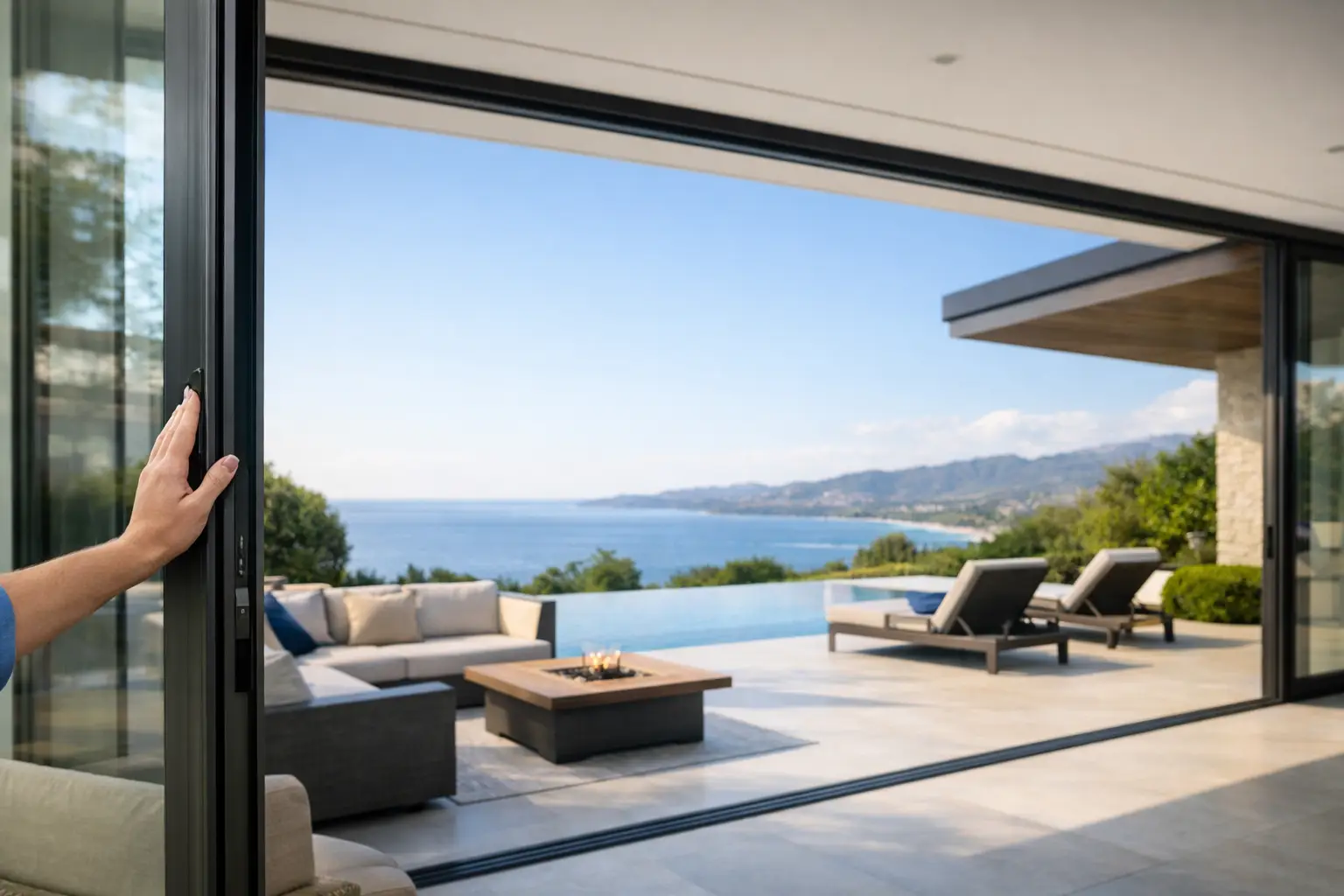
For projects with large openings, aluminum may offer a more balanced solution than other materials because it can handle bigger dimensions without sacrificing clean lines. That allows the design team to maintain expansive views and daylight while still targeting strong envelope performance.
Where Aluminum Windows Excel - and Where They Need Careful Specification
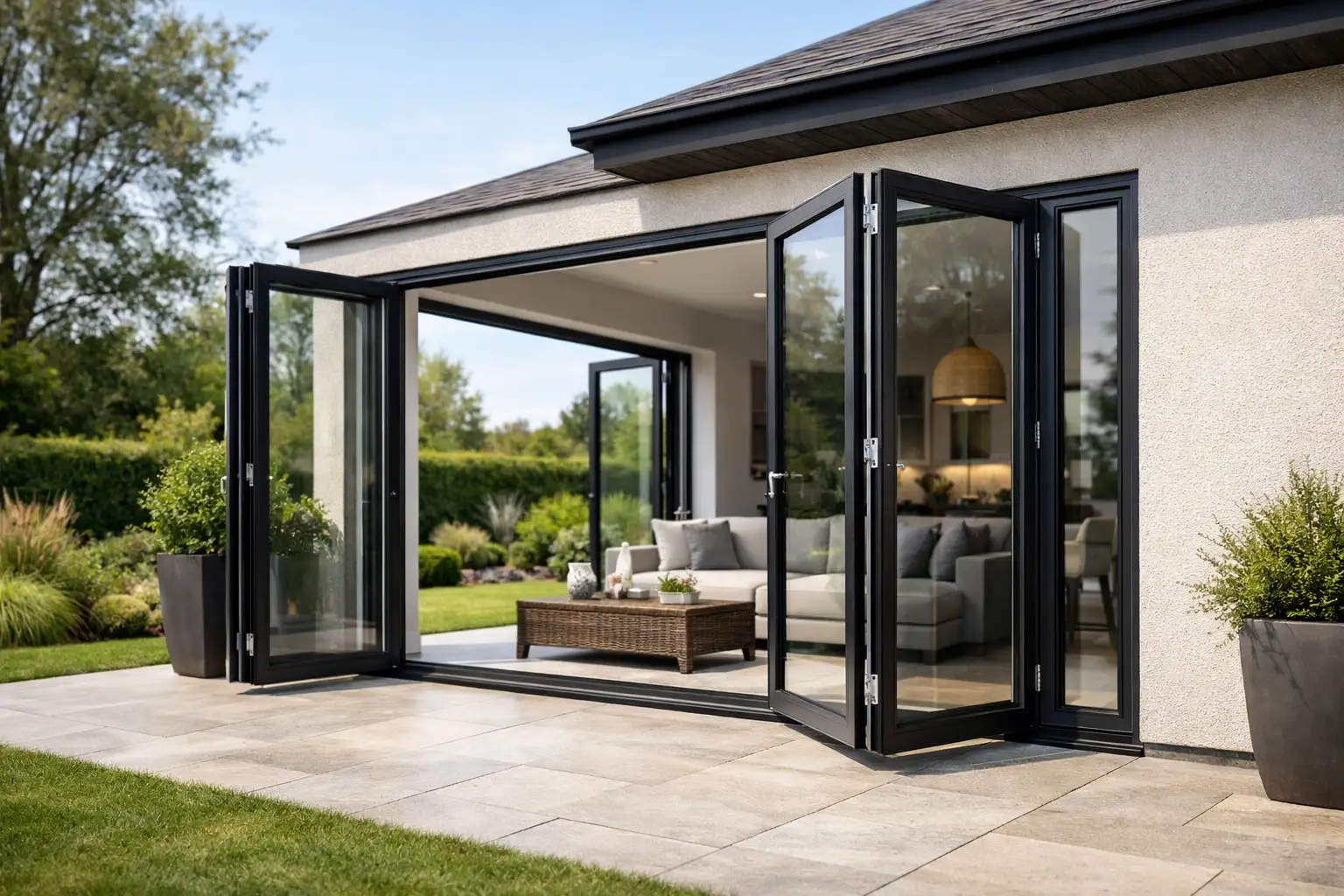
Aluminum is especially well suited to custom homes, contemporary renovations, and architect-driven projects where larger units, narrower frames, and precise detailing matter. It also performs well in door systems and mixed window-wall conditions where structural integrity and finish durability are critical.
That said, not every aluminum window is equal. Some systems have shallow thermal breaks, limited glazing options, or weaker air and water performance. Others are engineered to a much higher level, with multi-chamber profiles, advanced polyamide separation, high-quality hardware, and glazing packages tailored to climate.
This is where specification discipline matters. Asking whether aluminum windows are energy efficient in general is useful at the conceptual stage. At the project stage, the better move is to review tested performance data, glass options, thermal break design, and installation detailing for the exact system being proposed.
Factory-direct manufacturing can also influence value. When the system is engineered with premium hardware, strong thermal design, and project-specific customization - without dealer markup layered into the price - aluminum becomes more competitive than many buyers assume.
The Right Answer Is Usually Specific, Not Generic
So, are aluminum windows energy efficient? Yes - if they are thermally broken, glazed correctly, and installed as part of a well-detailed envelope. No - if they are basic conductive frames asked to perform beyond their design limits.
That may sound conditional, but it is the honest answer. Material labels do not tell the full story. Tested performance, climate fit, opening size, and detailing do.
For design teams and homeowners who want slim profiles without compromising thermal performance, modern aluminum deserves a closer look than its reputation suggests. The best systems no longer ask you to choose between refined aesthetics and serious envelope performance. They ask for a more informed specification process, which is usually where better buildings begin.