Factory Direct Aluminum Windows Explained
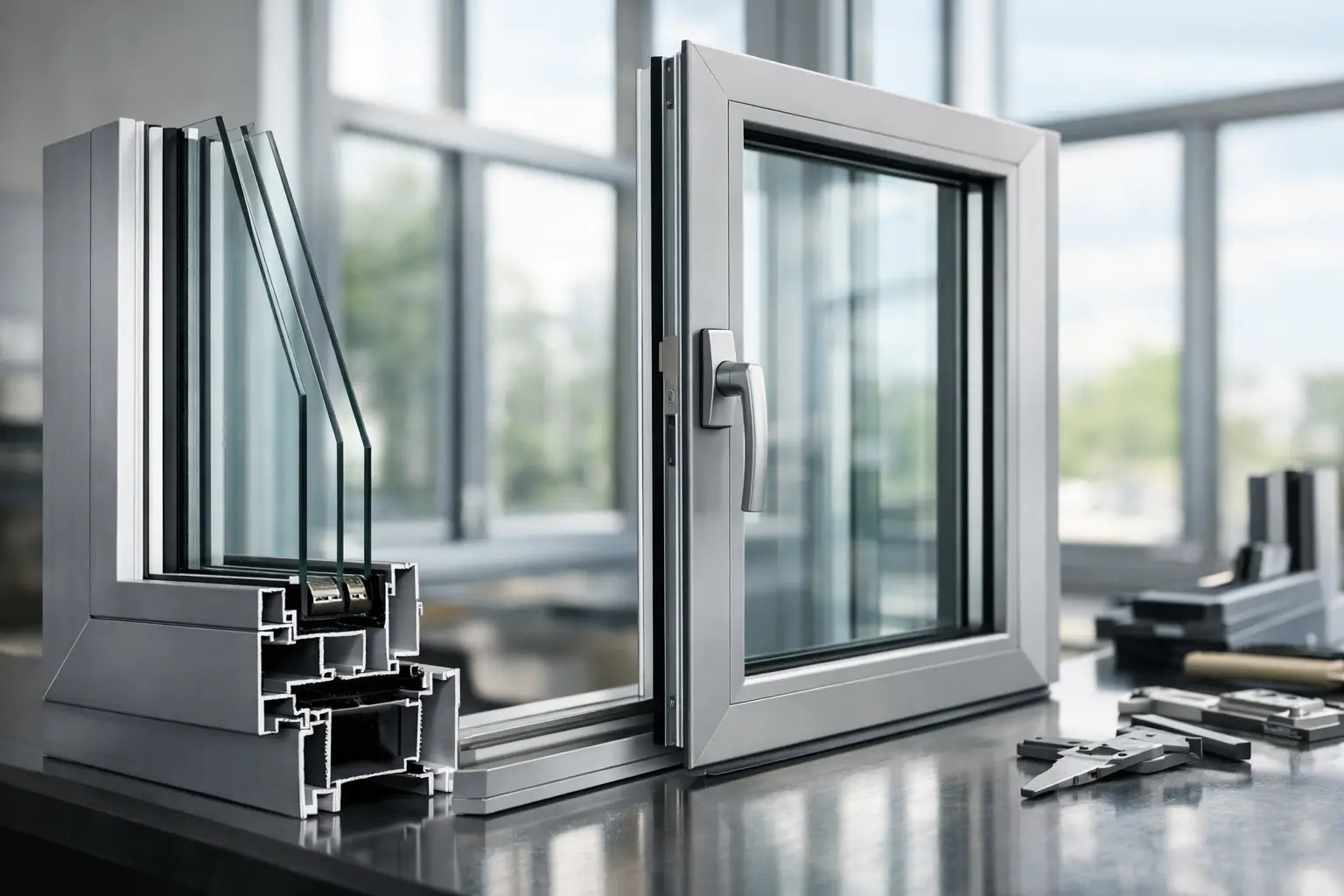
If you are specifying glazing for a custom home or evaluating window packages for a major remodel, the distribution model matters almost as much as the frame itself. Factory direct aluminum windows are not simply a pricing strategy. They change how decisions are made, how details are coordinated, and how closely the finished product matches the original architectural intent.
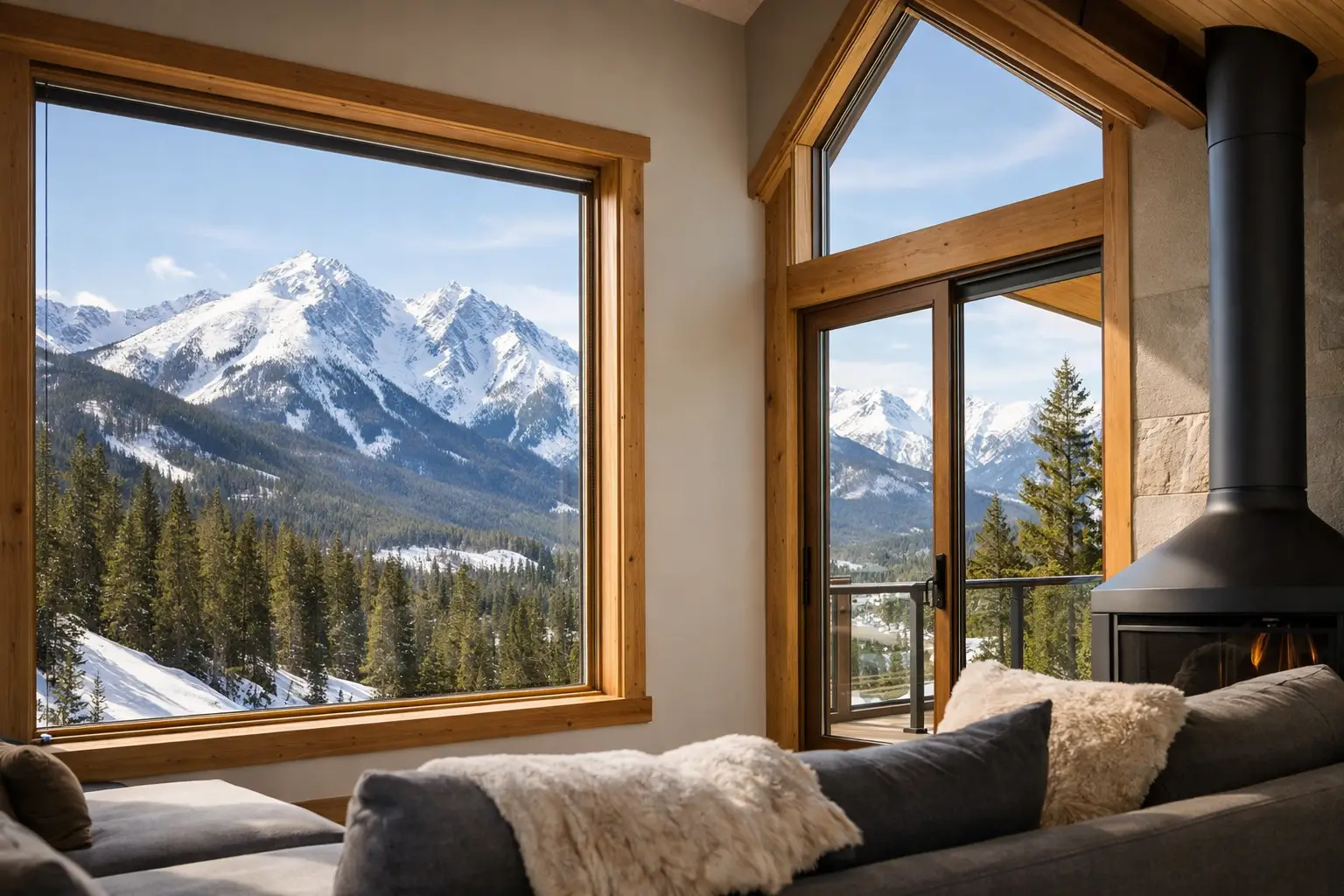
For high-performance residential and architectural work, that distinction is significant. In the Rocky Mountain region, window systems need to do more than look clean on elevation drawings. They need to manage large temperature swings, intense sun, wind exposure, and demanding expectations around sightlines, operability, and energy performance. When the manufacturer is directly involved, those variables can be addressed earlier and with greater precision.
What factory direct aluminum windows actually mean
In practical terms, factory direct aluminum windows are supplied by the manufacturer rather than moving through a layered dealer network. That sounds straightforward, but the impact is broader than simple procurement. The same source responsible for engineering, fabrication, finishes, and system performance is also part of the quoting and specification process.
That matters because premium aluminum systems are rarely off-the-shelf decisions. Frame depth, thermal break design, glass configuration, structural requirements, hardware, drainage strategy, finish selection, and installation conditions all influence the final result. When those conversations happen through multiple intermediaries, details can get diluted. Direct access tends to keep communication cleaner.
For architects and builders, this often means faster clarification on what is possible, what needs to be adjusted, and where trade-offs exist. For homeowners, it usually means less guesswork about why one system costs more than another and whether that difference is tied to actual performance or simply added margin in the channel.
Why the direct model matters on premium projects
High-end residential work rarely follows a standard path. Openings shift during design development. Structural spans evolve. Sightline priorities may compete with thermal targets. Exterior finishes need to align with the broader material palette. None of that fits neatly into a commodity sales model.
A factory-direct relationship is especially valuable when the window package is part of the architecture rather than a late-stage selection. Large fixed glass, corner assemblies, narrow framed operable units, and multi-panel openings all benefit from early coordination with the source that understands the platform limits and manufacturing tolerances.
There is also a quality-control advantage. When the manufacturer retains more control over specification and client communication, there is less room for substitution, misinterpretation, or mismatched expectations between proposal and production. That does not eliminate project risk, but it can reduce the disconnect that sometimes appears when sales, technical review, fabrication, and field support are handled by different parties.
Factory direct aluminum windows and pricing
The most common assumption is that factory direct always means lower cost. Sometimes it does. More accurately, it often means more transparent cost.
Dealer-based distribution can introduce markup layers that are not always visible to the client. In a factory-direct structure, those layers are reduced or removed, which can create better value, particularly on larger or more customized packages. But price alone is not the right lens for evaluating premium fenestration.
A lower initial number does not help if the system is underspecified for climate, lacks the right thermal break, cannot support the required glass dimensions, or creates installation complications that show up later in the schedule. The more useful question is whether the quoted package reflects actual project requirements with minimal distortion between design intent and delivered product.
On sophisticated homes, the answer often depends on how thoroughly the system has been reviewed. A direct manufacturer relationship tends to support that review more effectively because technical and commercial discussions are happening closer to the source.
Thermal performance is where aluminum systems are judged
Aluminum remains the material of choice for many contemporary projects because it delivers refined sightlines, structural stability, and strong design flexibility. But not all aluminum windows perform the same way, especially in cold-weather and high-altitude environments.
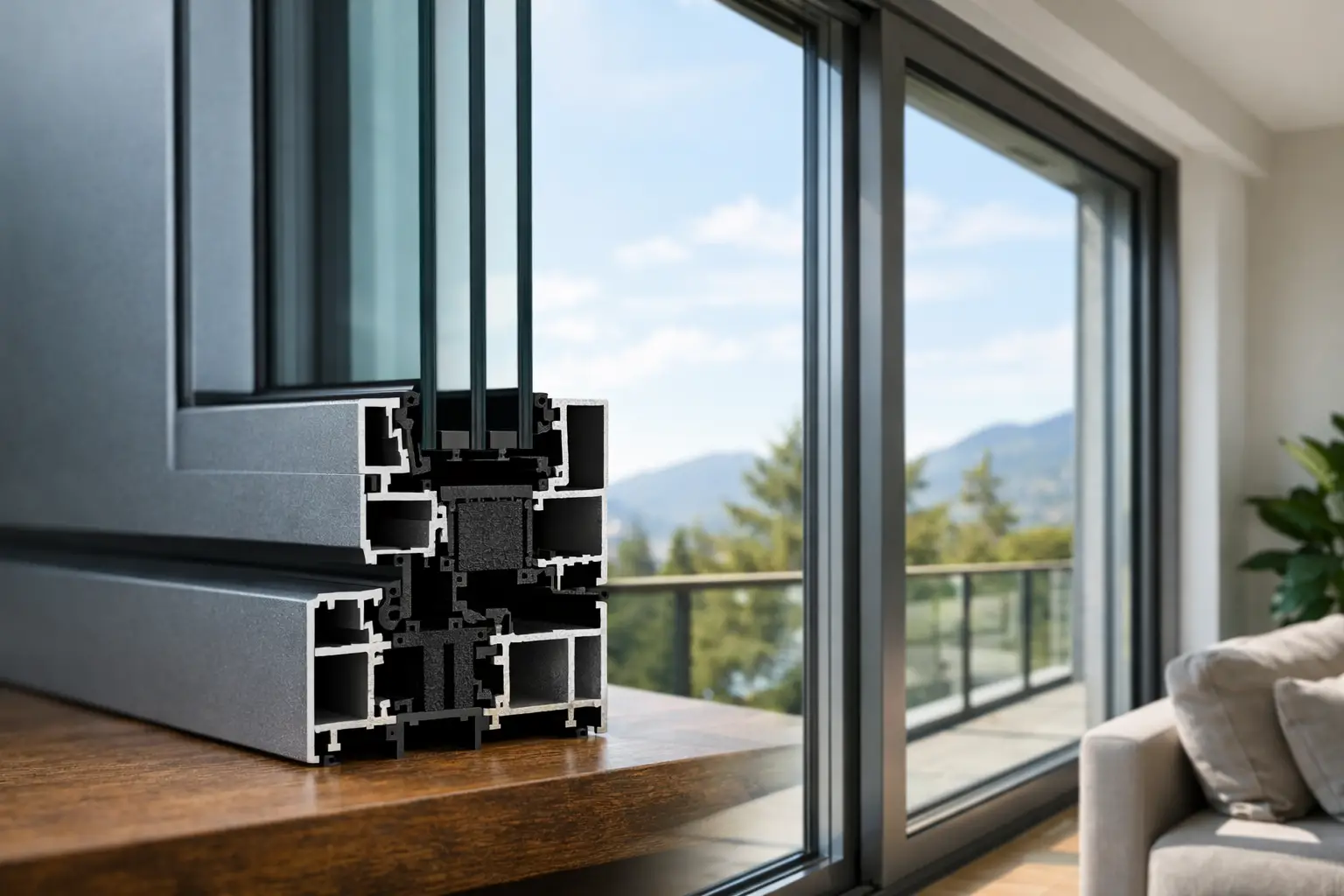
In Colorado and similar mountain climates, thermal break design is critical. Without it, aluminum can transfer heat and cold too readily, undermining comfort and efficiency. High-quality thermally broken systems separate interior and exterior aluminum profiles with an insulating barrier, improving overall thermal performance while preserving the material benefits that make aluminum attractive to architects.
This is one area where factory direct aluminum windows can offer a real advantage. The manufacturer can speak directly to frame construction, glass options, spacer selection, performance data, and system limitations. That level of specificity matters when the project is balancing expansive glazing with code requirements, solar exposure, and winter performance.
It also helps prevent an increasingly common issue in premium builds: selecting a visually similar product that does not perform at the same level. Two slim-frame systems can look comparable in a showroom and behave very differently in a mountain home.
Design flexibility without losing discipline
Customization is one of the strongest arguments for going direct, but customization should not be confused with anything-goes manufacturing. The best aluminum window programs allow meaningful flexibility within a disciplined system platform.
That can include custom sizes, multiple operation types, corner conditions, divided-lite configurations, specialized hardware, and finish options tailored to the architecture. It may also involve coordinating windows with doors and fixed glazing so sightlines and frame language remain consistent across the envelope.
For design professionals, that consistency is not cosmetic. It supports a cleaner facade, better interior detailing, and fewer compromises when moving between elevations and opening types. For builders, it can simplify coordination if the systems are engineered to work together rather than assembled from disconnected product lines.
Still, there are trade-offs. A highly customized package can increase lead times, require more thorough approval cycles, and demand tighter field dimensions. The benefit of working direct is not that those constraints disappear. It is that they are identified earlier, when the team still has room to make informed decisions.
Coordination from concept through delivery
Windows and doors tend to sit at the intersection of architecture, structure, waterproofing, energy compliance, and installation sequencing. That makes them unusually sensitive to communication gaps.
With factory direct aluminum windows, project teams often gain a more continuous line of coordination from early design through production and delivery. That can support better shop drawing review, more accurate expectations around lead times, and clearer discussion of opening conditions, tolerances, and installation requirements.
This is particularly useful on complex homes where the glazing package includes large units, recessed frames, multi-track sliders, or other details that affect adjacent trades. When the manufacturer is involved early, the conversation can move beyond simple dimensions and into practical execution.
A direct model is not automatically better for every project. A simple replacement job with standard openings may not need that level of involvement. But once the project includes custom geometry, demanding climate exposure, or a high design threshold, direct coordination becomes far more valuable.
Who benefits most from the factory-direct approach
Architects benefit when technical guidance is available during specification rather than after bidding. Builders benefit when product decisions are aligned with field realities and schedule planning. Homeowners benefit when they can see how performance, aesthetics, and price connect without relying on a chain of interpretations.
The model is especially well suited to projects where aluminum is being chosen for clear reasons: narrow profiles, larger glass areas, durable finishes, contemporary detailing, and structural capability. In those cases, the distribution strategy should support the strengths of the material rather than dilute them.
That is why factory direct has become more relevant in the premium segment. It aligns with how sophisticated projects are actually delivered - through early coordination, technical clarity, and a tighter relationship between design intent and manufacturing execution.
For teams building in the Rocky Mountain market, that alignment is more than convenient. It is often the difference between a window package that merely fits the opening and one that is properly engineered for the climate, the architecture, and the expectations attached to both. ViewLux Colorado operates in that space, where direct manufacturer access is part of delivering thermally broken aluminum systems with the precision premium projects require.
The better question is not whether factory direct aluminum windows are worth considering. It is whether your project is complex enough, performance-driven enough, or design-sensitive enough to benefit from fewer layers between the drawing set and the finished frame.