Direct From Manufacturer Windows Explained
A large glass opening can define a project long before finishes are selected. It sets sightlines, daylight quality, energy performance, and structural coordination in one move. That is why direct from manufacturer windows matter more than many teams expect. The purchase path affects not only price, but also specification accuracy, detailing, lead time control, and how well the final system performs once weather and elevation begin to test it.
For architects, builders, and homeowners working on custom residential projects, the appeal is straightforward. Buying factory-direct can remove dealer layers, shorten communication paths, and create a clearer line between design intent and the product delivered to the site. But it is not automatically better in every scenario. The value depends on product complexity, project scale, climate demands, and how much technical coordination the manufacturer is prepared to provide.
What direct from manufacturer windows actually means
In practical terms, direct from manufacturer windows are sold by the company that engineers, fabricates, and stands behind the system, rather than through a separate dealer network. That distinction sounds administrative, but it has real design and construction consequences.
When the manufacturer is directly involved, questions about frame depth, thermal breaks, glass makeup, hardware, finish limitations, or structural spans can often be answered by the source. That tends to reduce translation errors. On high-performance homes and architect-driven projects, those errors are rarely minor. A missed dimension, a misunderstood corner condition, or the wrong performance assumption can affect waterproofing details, rough openings, installation sequencing, and even interior trim decisions.
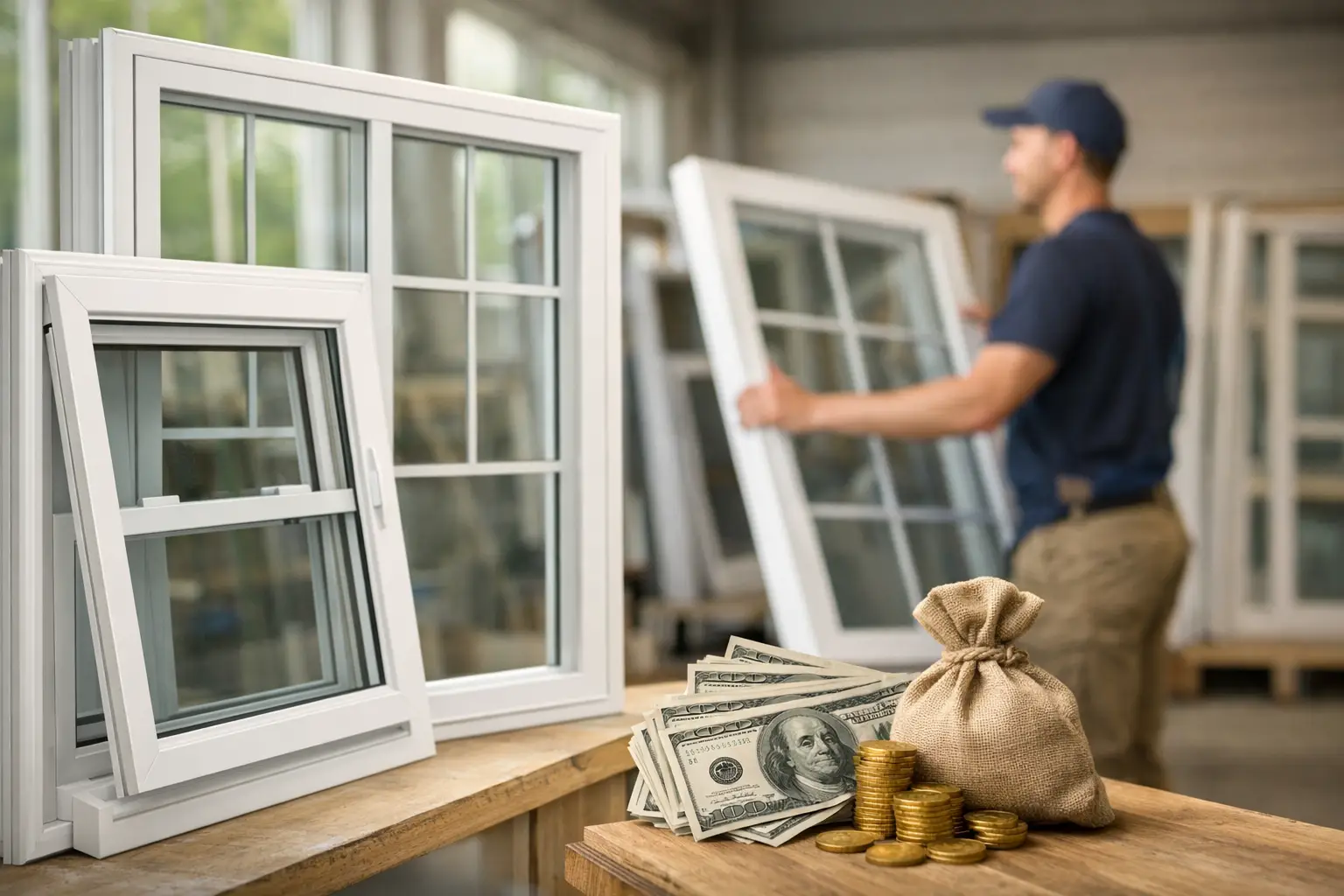
This model also changes how pricing is built. In a dealer-based channel, cost often accumulates through multiple handoffs. With a factory-direct relationship, there is usually a more transparent connection between the specified system and the final number. That does not guarantee the lowest price on every opening, but it often produces better value when the system is customized, oversized, or performance-sensitive.
Why architects and builders choose direct from manufacturer windows
The strongest case for direct procurement is control. Not control in a marketing sense, but in the technical sense that matters during design development and construction.
On modern homes with narrow sightlines and large expanses of glass, small specification shifts can change the entire visual result. A slightly bulkier frame profile can alter facade rhythm. A weaker thermal package can create comfort complaints near the opening. A hardware limitation can force revisions late in the process. Working directly with the source makes those constraints visible earlier, when they are still manageable.
There is also a coordination advantage. Manufacturers that support projects from concept through delivery can help align window and door packages with opening sizes, threshold conditions, and performance targets before fabrication begins. That is especially useful when a project includes a mix of fixed, casement, sliding, corner, or specialty units that must read as one architectural language.
For builders, the benefit is often predictability. Direct communication tends to make submittals, approvals, and production changes easier to track. When questions arise in the field, the answer is less likely to pass through several intermediaries before reaching the team that needs it.
Cost is important, but so is cost structure
Many buyers first look at direct from manufacturer windows as a pricing decision. That instinct is reasonable, but incomplete.
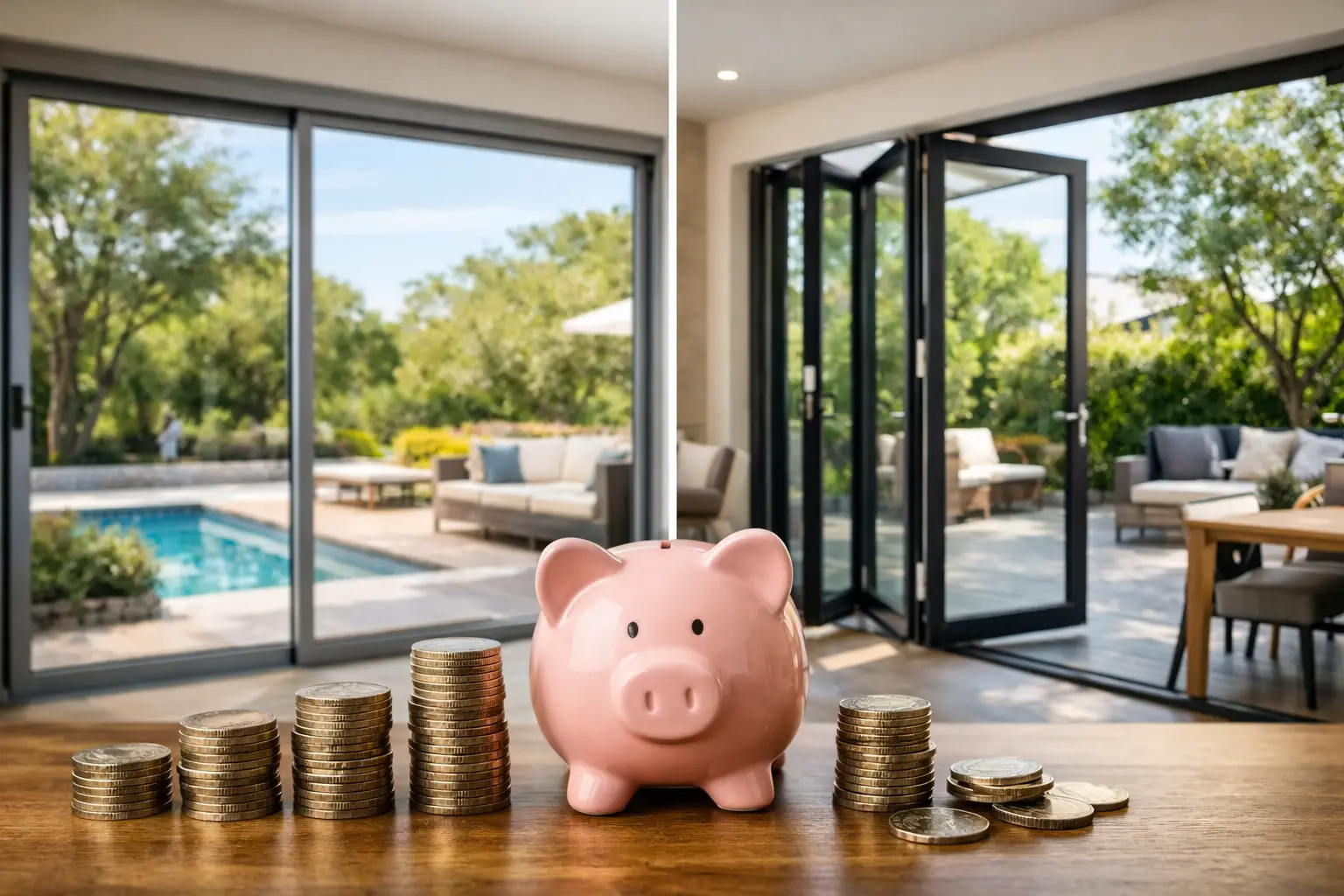
Yes, removing dealer markup can materially improve the budget, particularly on large or premium packages. In the high-end residential market, that can mean access to better hardware, larger sizes, more refined finishes, or stronger thermal performance without moving the total package into a different pricing tier. Some manufacturers are able to offer systems at significantly lower cost than comparable dealer-sold products while still using top-tier hardware and high-performance insulated glass.
But the more important question is how the money is distributed. If a lower number comes from reducing engineering support, limiting finish control, or simplifying fabrication tolerance, the savings may disappear later in labor, delays, or callbacks. The best factory-direct relationships do not just cut cost. They reallocate value toward performance, customization, and project support.
That distinction matters in mountain and high-desert conditions where windows are not ornamental products. They are part of the building envelope, and they need to perform under solar gain, freezing temperatures, wind exposure, and sharp seasonal swings.
Performance matters most in demanding climates
In a place like Colorado, window selection is rarely about glass alone. Frame construction, thermal breaks, glazing specification, weather sealing, and hardware durability all carry real weight over time.
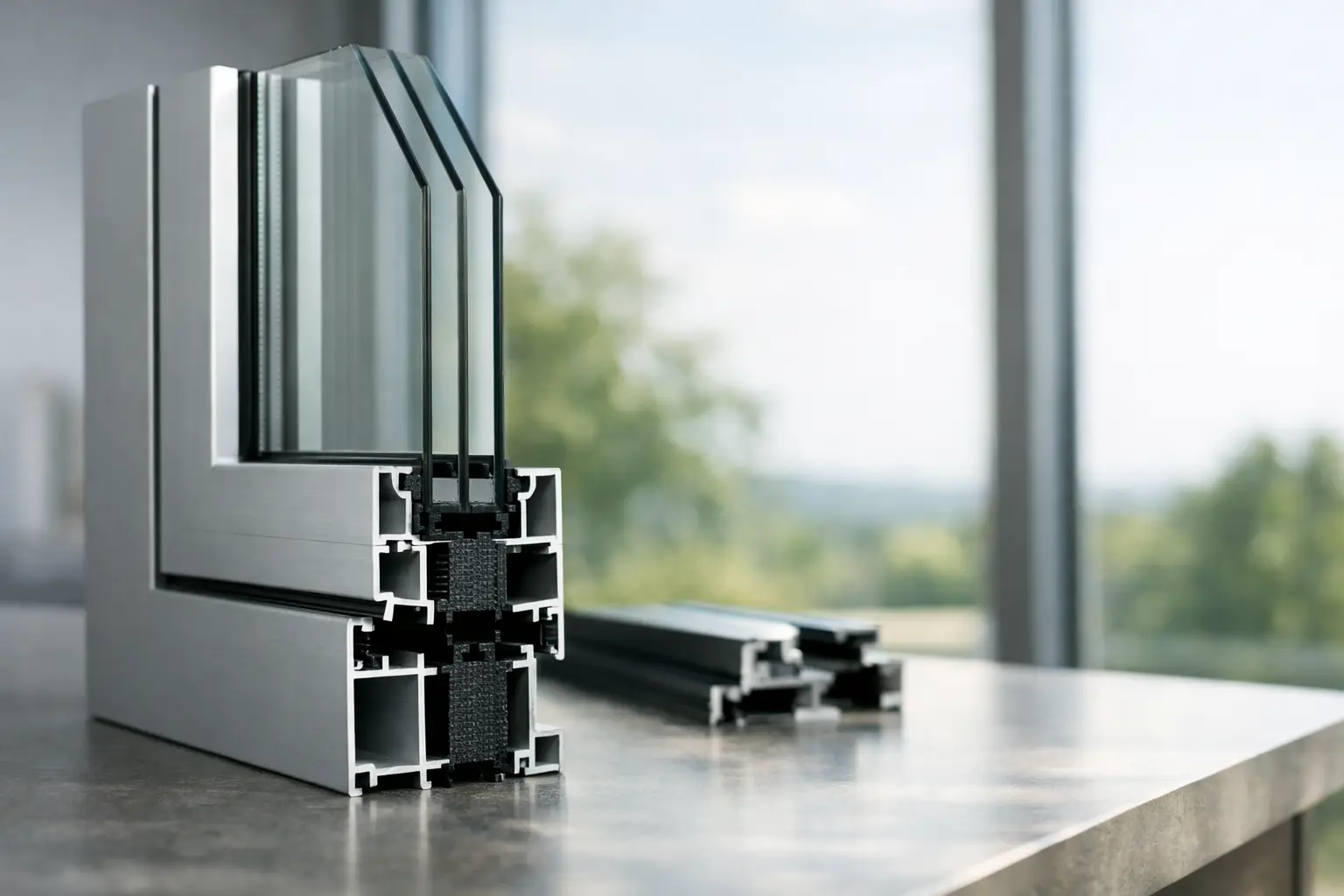
Thermally broken aluminum systems are increasingly specified because they solve a difficult balance. They can support larger openings and slimmer profiles than many alternative materials, while still delivering the thermal separation needed for serious climate performance. That makes them particularly relevant for contemporary architecture where expansive views and disciplined sightlines are part of the brief.
Glazing specification matters just as much. Tempered glass with a Low-E coating as a standard configuration improves durability and energy performance, but the correct insulated glass unit still depends on orientation, elevation, and exposure. A west-facing wall with heavy summer sun has different demands than a sheltered north elevation. Direct manufacturer involvement helps those decisions stay tied to actual system capabilities instead of generic assumptions.
The trade-off is that performance products require more careful early coordination. Structural spans, glass weights, operability, and installation conditions all become more consequential as openings grow. That is another reason factory-direct procurement can be beneficial on custom projects. The technical conversation starts earlier and tends to stay more precise.
Customization is where the factory-direct model often proves itself
Standard window schedules are simple to price through almost any channel. Custom projects are not.
Once a home introduces oversized sliders, mitered corners, specialty shapes, flush transitions, or finish-specific design requirements, the value of direct access becomes clearer. Customization is not only about aesthetics. It is also about making the system fit the architecture without forcing awkward compromises at the perimeter, head, sill, or adjacent cladding.
A direct manufacturer can often provide better guidance on what is truly possible, what requires engineering review, and where a design can be refined to preserve intent without creating unnecessary cost. That kind of input is useful early, when an architect is developing facade proportions, and later, when a builder is coordinating rough opening accuracy and installation tolerances.
For premium residential work, finish flexibility matters as well. The frame color, texture, reflectivity, and hardware expression all influence whether the window reads as a background element or a defining architectural detail. Buyers in this segment are not looking for generic substitutions. They want the package to feel resolved.
When direct from manufacturer windows may not be the right fit
Factory-direct procurement is not a universal answer. On very small projects, simple replacement scopes, or highly standardized openings, the benefits may be less dramatic. A strong local dealer with deep service infrastructure can still be a practical option, especially if the product itself is relatively straightforward.
It also depends on the manufacturer. Direct access only adds value when the manufacturer is responsive, technically fluent, and operationally disciplined. If the company lacks project support, production clarity, or installation coordination, the buyer can end up carrying too much of the burden.
This is why evaluation should go beyond brochure language. Ask how shop drawings are handled, how custom conditions are reviewed, what hardware platforms are used, what glazing comes standard, and how the team manages lead times and field questions. The right partner should be able to answer with precision.
How to evaluate a manufacturer before you specify
The best conversations are specific. Ask about frame composition, thermal break design, glass options, maximum panel dimensions, drainage strategy, finish process, and testing standards. If the project is in an exposed climate, ask how the system is engineered for that reality rather than accepting broad claims about energy efficiency.
Review sightlines as carefully as performance data. Premium projects often succeed or fail on proportion. A window can perform well on paper and still feel visually heavy if the frame profile is not aligned with the architecture.
Finally, pay attention to support. A manufacturer that can assist from design intent through delivery is often more valuable than one with a longer feature list but weaker coordination. For architects and builders specifying refined, climate-ready fenestration, that support can protect both schedule and design quality.
Direct procurement works best when the product is sophisticated and the project expects more from it. In that setting, a factory-direct relationship is not just a sales model. It is a better way to keep design, performance, and execution moving in the same direction.