
Which Windows Work for High Altitude Homes?
Which windows work for high altitude homes? See how frames, glass, seals, and window styles manage cold, intense sun, wind, and snow in mountain homes.
Best Windows for Snow Loads in Mountain Homes
Specify the best windows for snow loads with structural glass, thermally broken frames, and installation details for demanding mountain homes in winter.
Aluminum Windows vs Fiberglass for Modern Homes
Compare aluminum windows vs fiberglass for thermal performance, slim sightlines, structural capacity, maintenance, and mountain-climate design decisions.
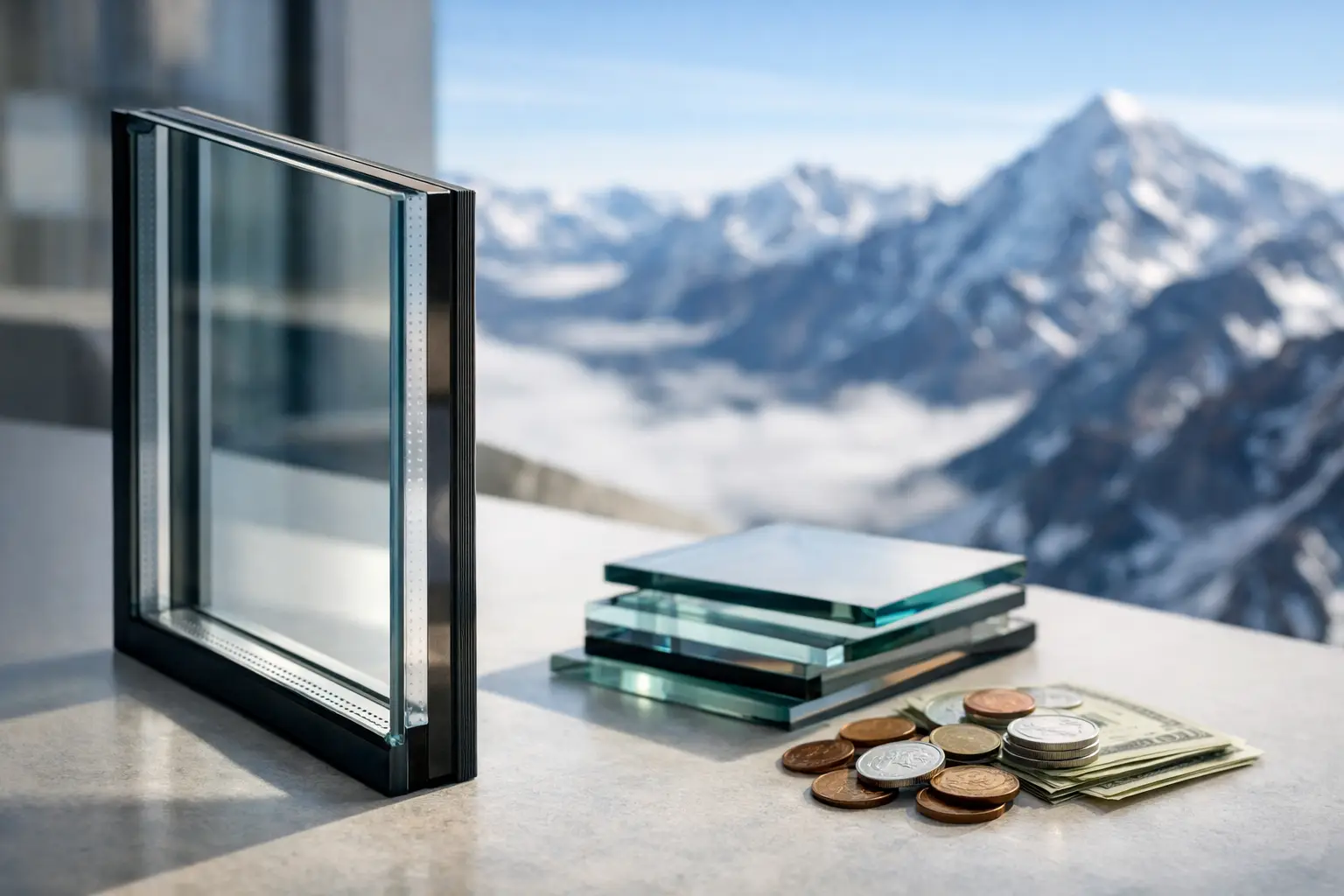
High Altitude Glass Specifications Explained
High altitude glass specifications protect insulated glazing from pressure stress, heat loss, UV exposure, and demanding Rocky Mountain conditions in use.

How to Coordinate Window Installation on a Custom Build
Learn how to coordinate window installation with sequencing, opening preparation, delivery planning, and weather protection for high-performance homes.
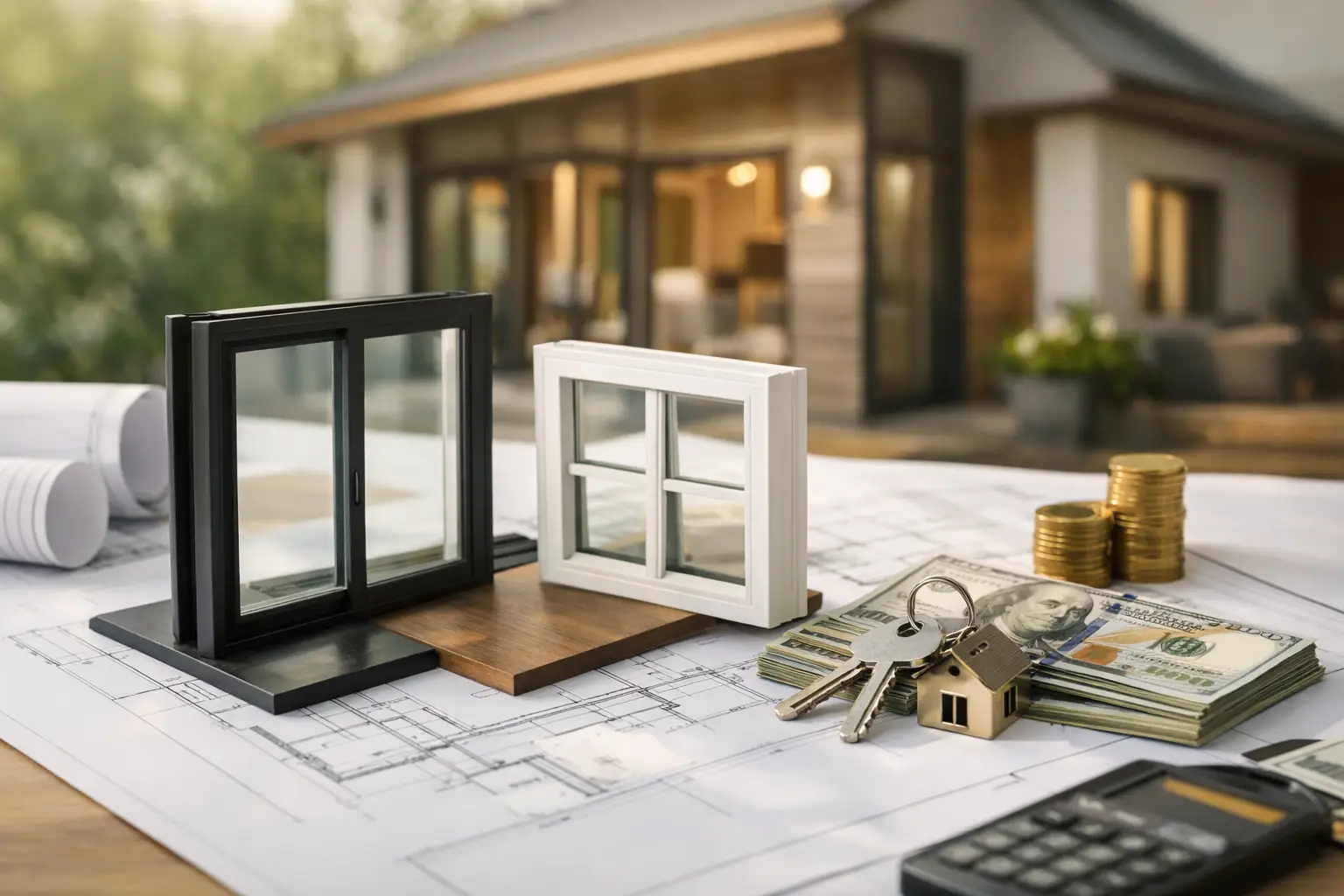
How to Plan Window Door Packages for Custom Homes
Learn how to plan window door packages for custom homes with coordinated glazing, thermal performance, opening sizes, details, and installation for the build.
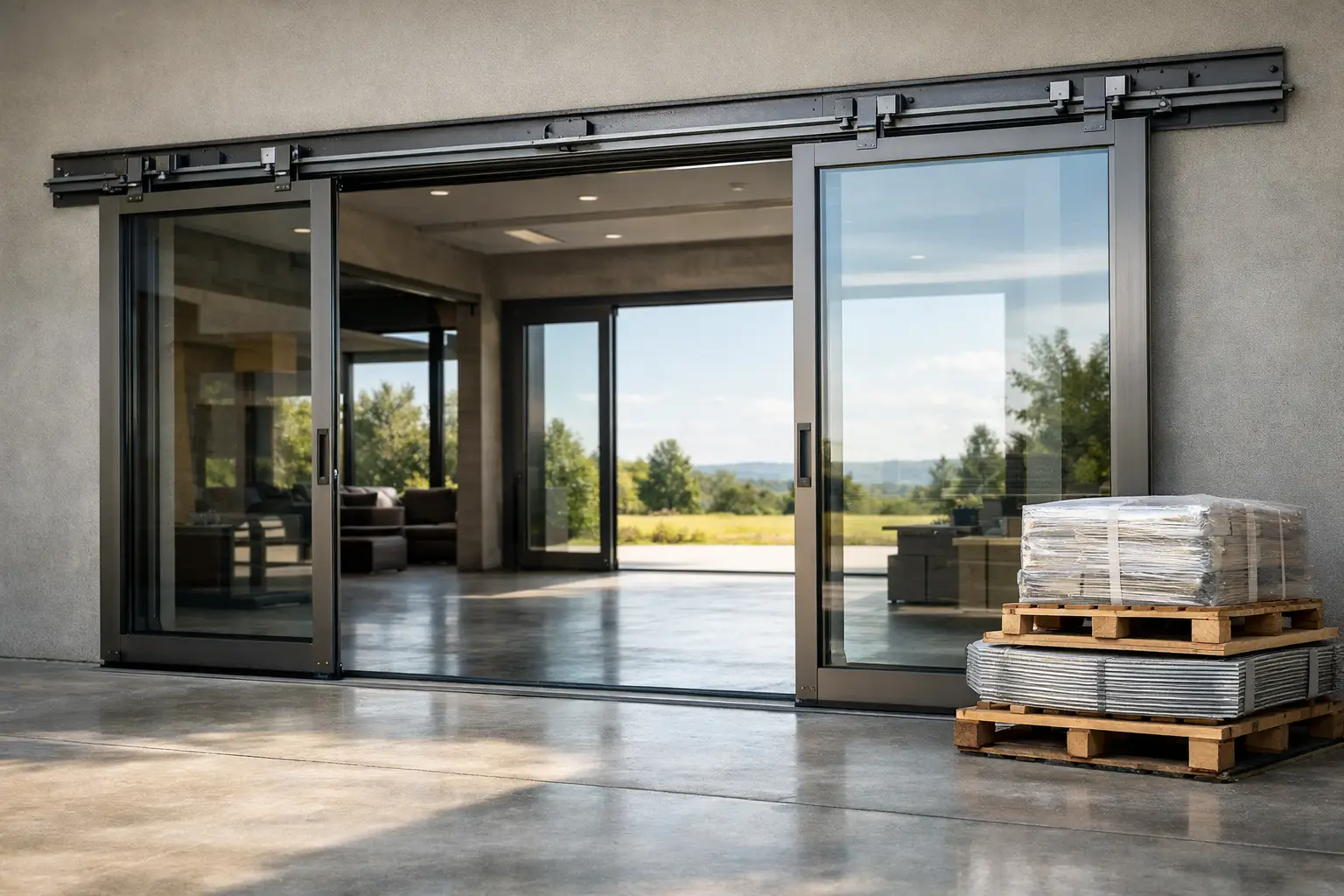
Heavy Duty Sliding Doors for Large Openings
Heavy duty sliding doors pair large glass panels with thermal control, structural strength, and refined sightlines for demanding mountain residences.
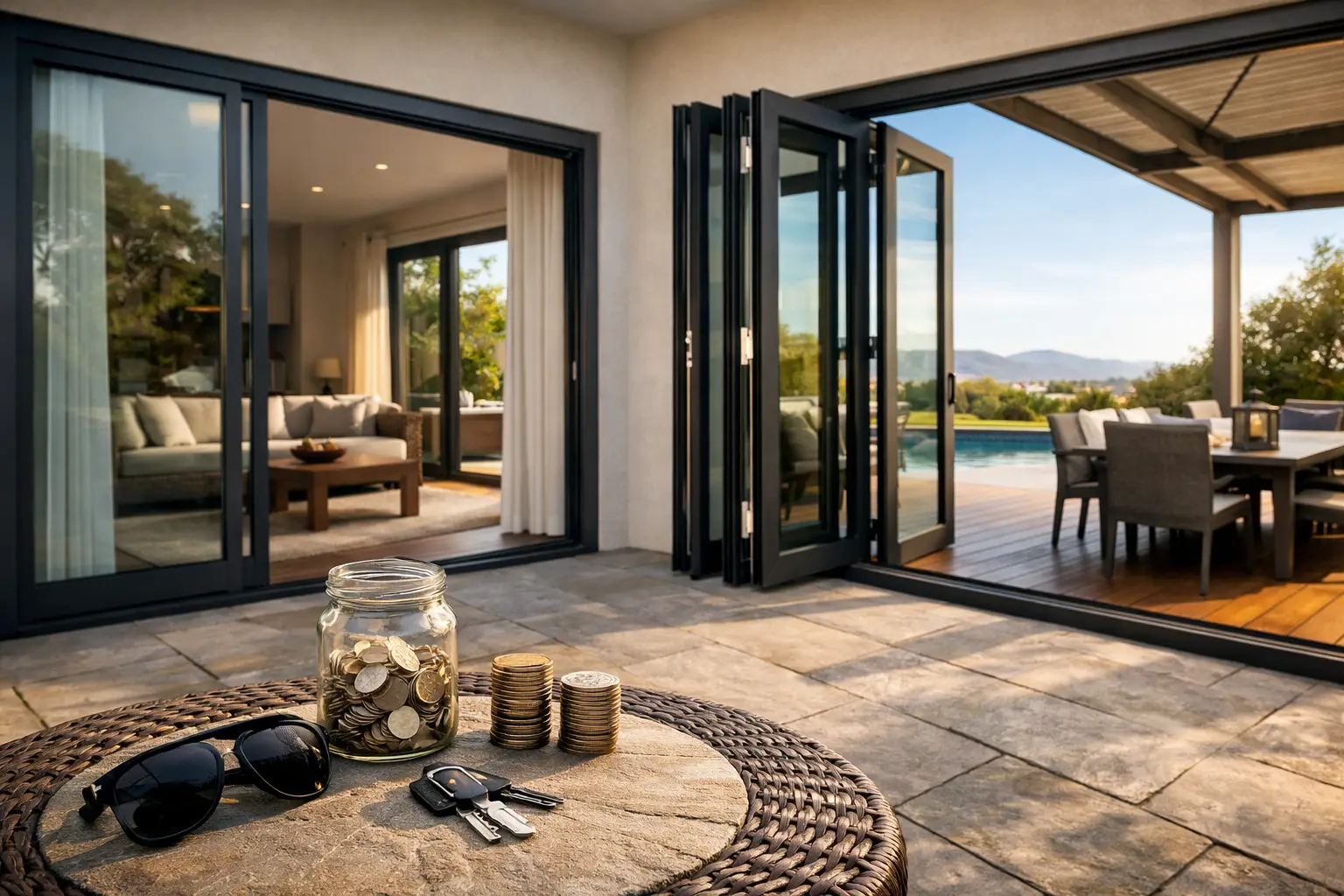
Best Door Systems for Patios That Perform
Compare the best door systems for patios, including lift-and-slide, pivot, and bifold options engineered for views, weather, and comfort in Colorado today.
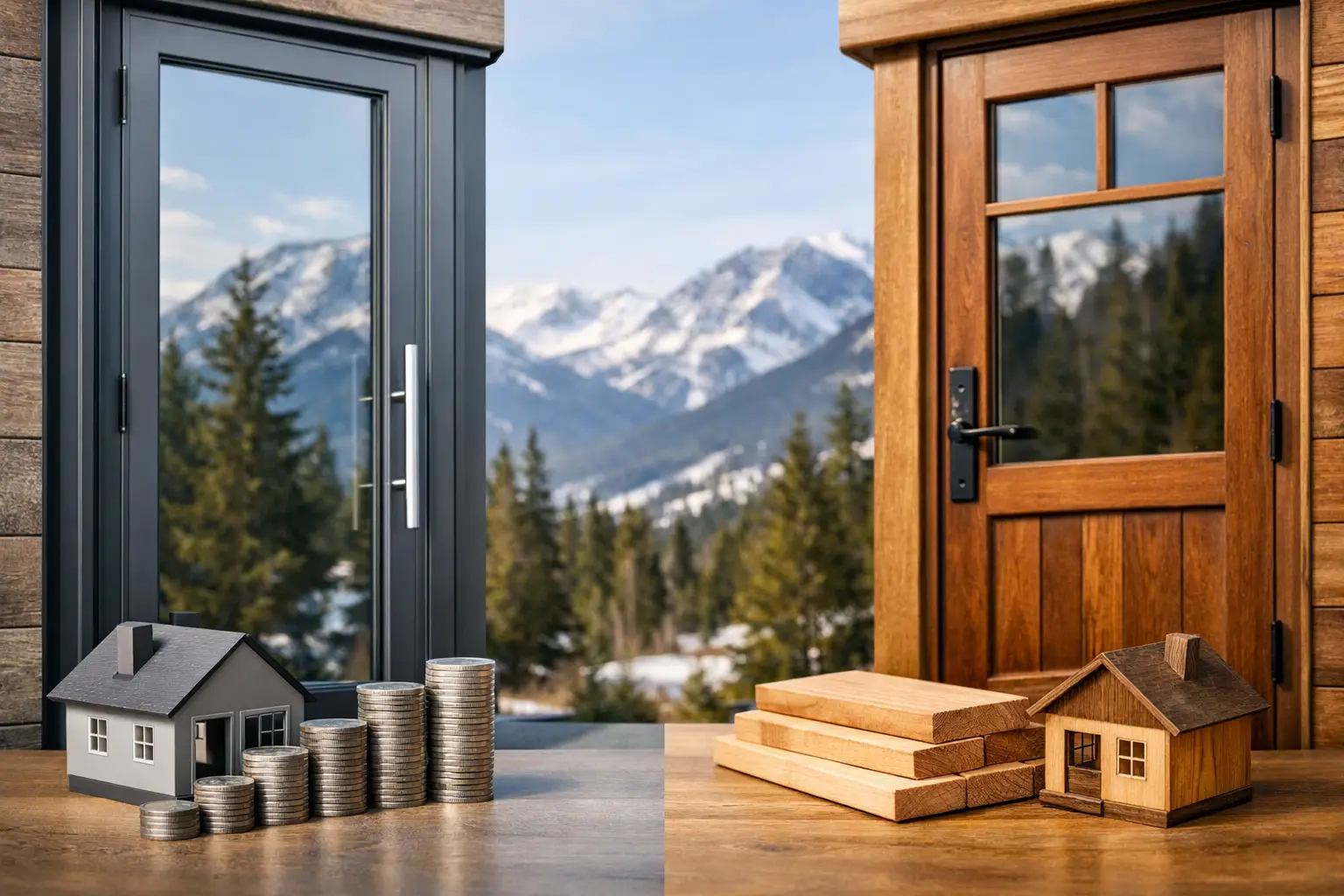
Aluminum Doors vs Wood for Colorado Homes
Compare aluminum doors vs wood for Colorado homes: thermal performance, maintenance, design flexibility, and the details that shape long-term value well.

How to Budget Custom Fenestration Projects
Learn how to budget custom fenestration for premium homes, from glazing and frame choices to installation coordination, contingencies, and long-term value.
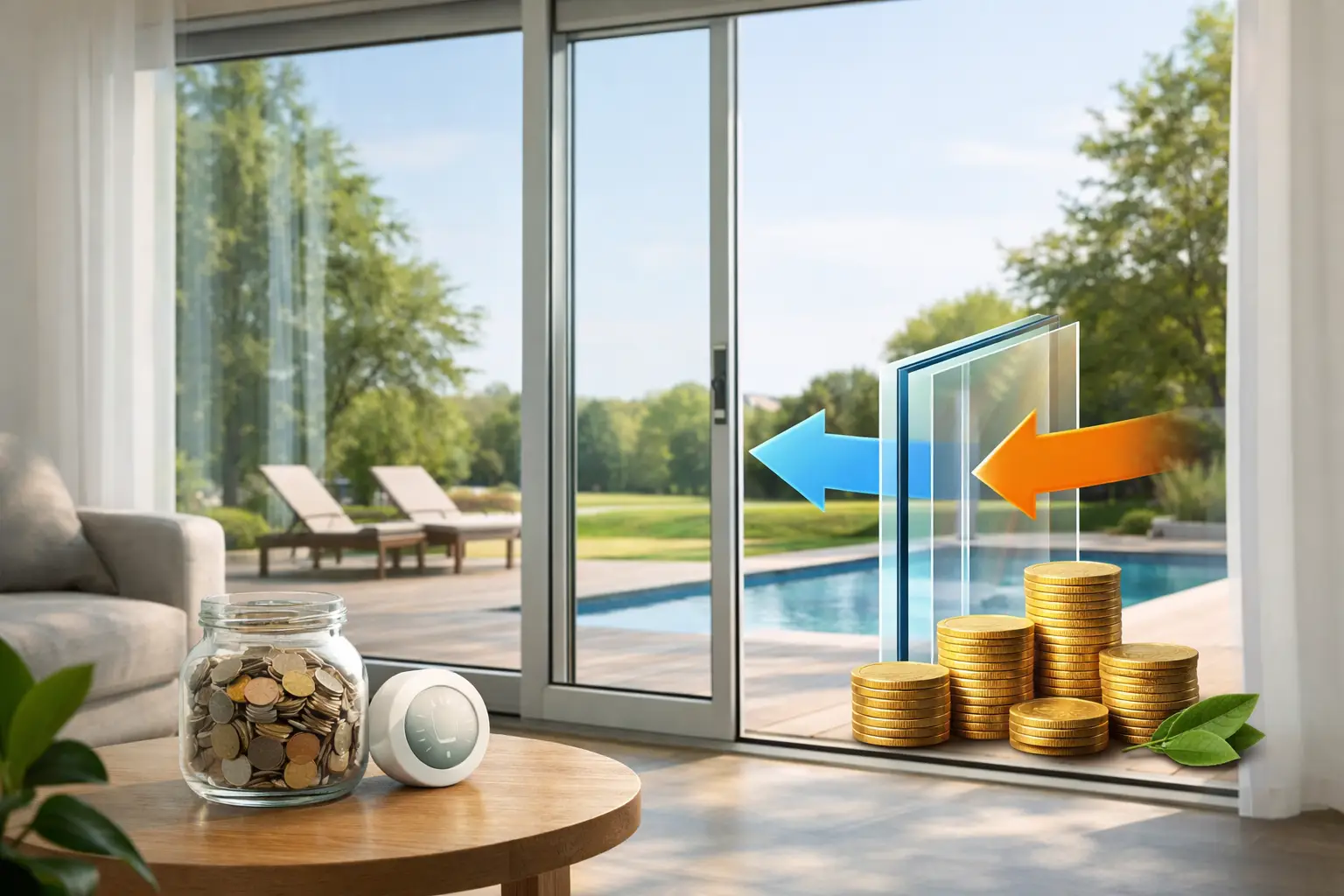
Can Sliding Glass Doors Be Energy Efficient?
Can sliding glass doors be energy efficient in Colorado? Learn how glass, thermal breaks, seals, and installation shape real-world performance. daily.

A Guide to Aluminum Window Costs in Colorado
A guide to aluminum window costs for Colorado projects, covering thermal breaks, glass, sizing, customization, installation, and value over time in use.
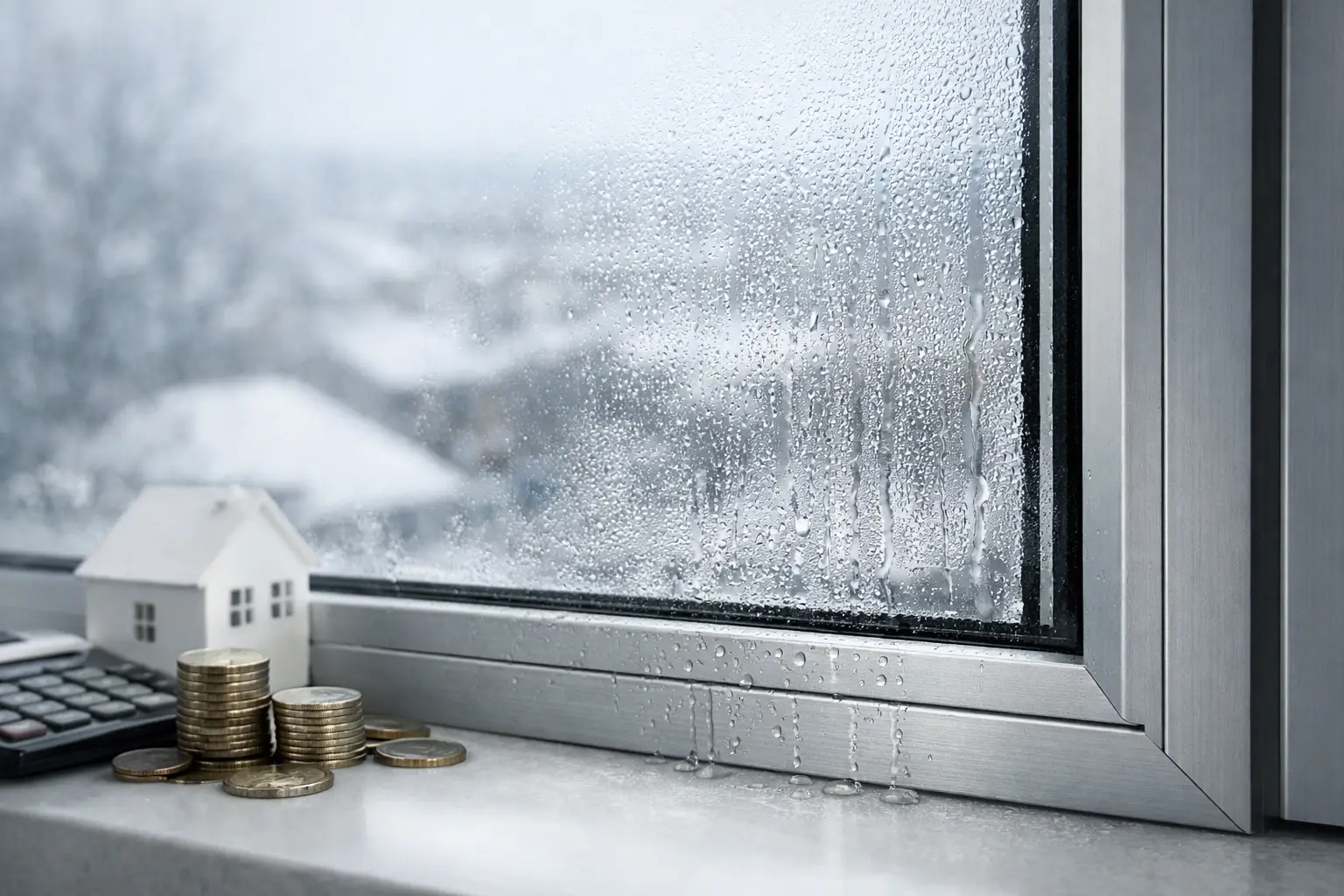
Do Aluminum Windows Condense in Winter Inside?
Do aluminum windows condense in winter? Learn how thermal breaks, interior humidity, glazing, installation details control moisture in mountain climates.

How to Select Low E Glass for Colorado Homes
Learn how to select low e glass for refined, high-performance windows that manage solar heat, winter comfort, UV exposure, and clear views in Colorado.

Residential Window Wall Costs: What Drives Price
Residential window wall costs reflect glass size, thermal engineering, structure, and installation. Learn how to budget a high-performance system well.

How to Specify Aluminum Window Systems Well
Learn how to specify aluminum window systems for refined sightlines, large openings, thermal control, and durable performance in mountain areas.

Guide to Aluminum Window Performance
A practical guide to aluminum window performance, from U-factor and SHGC to thermal breaks, glass, air leakage, and climate-specific design choices.
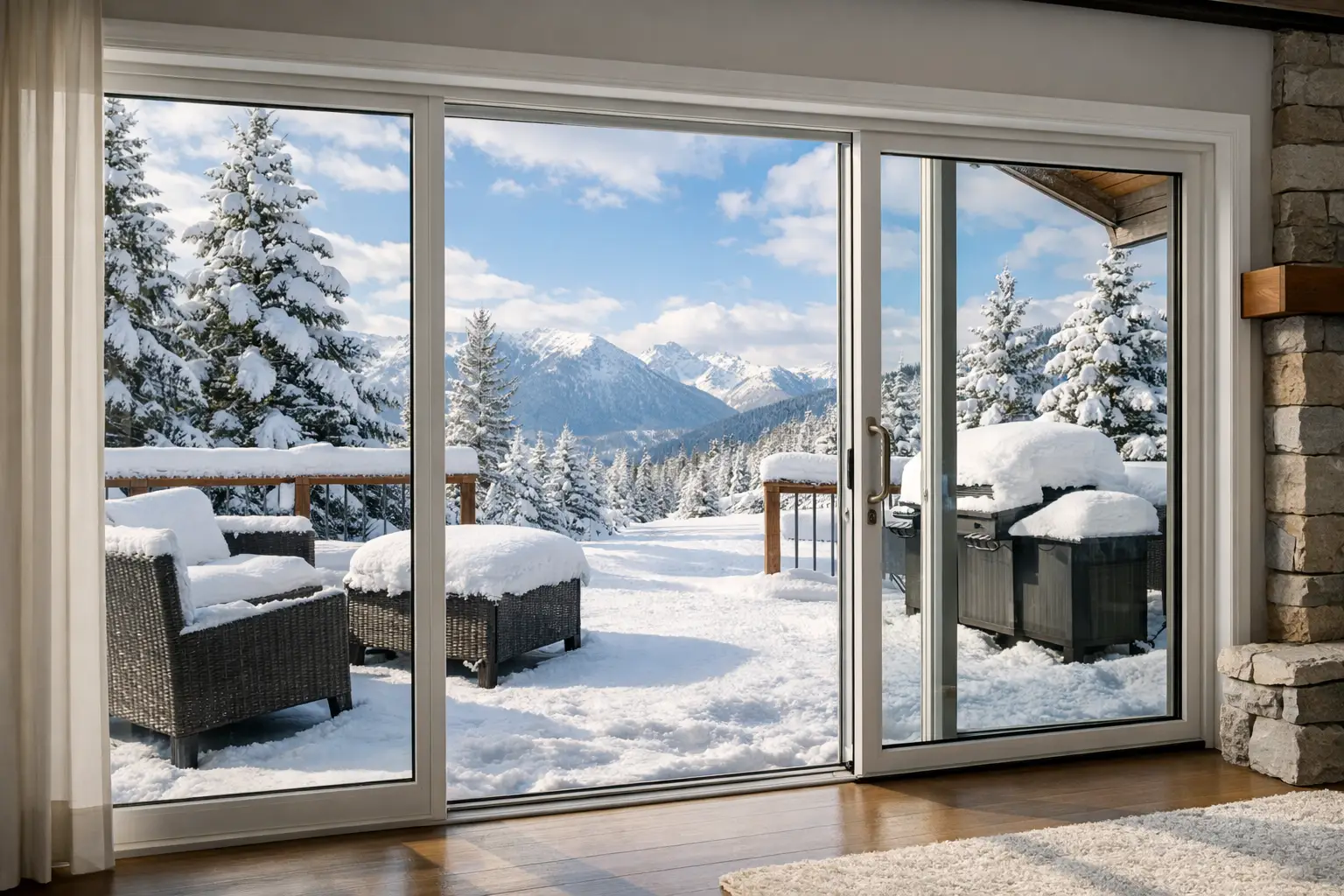
Best Patio Doors for Snow Loads
Find the best patio doors for snow loads, with the right frame strength, sill design, glazing, and thermal performance for mountain climates.
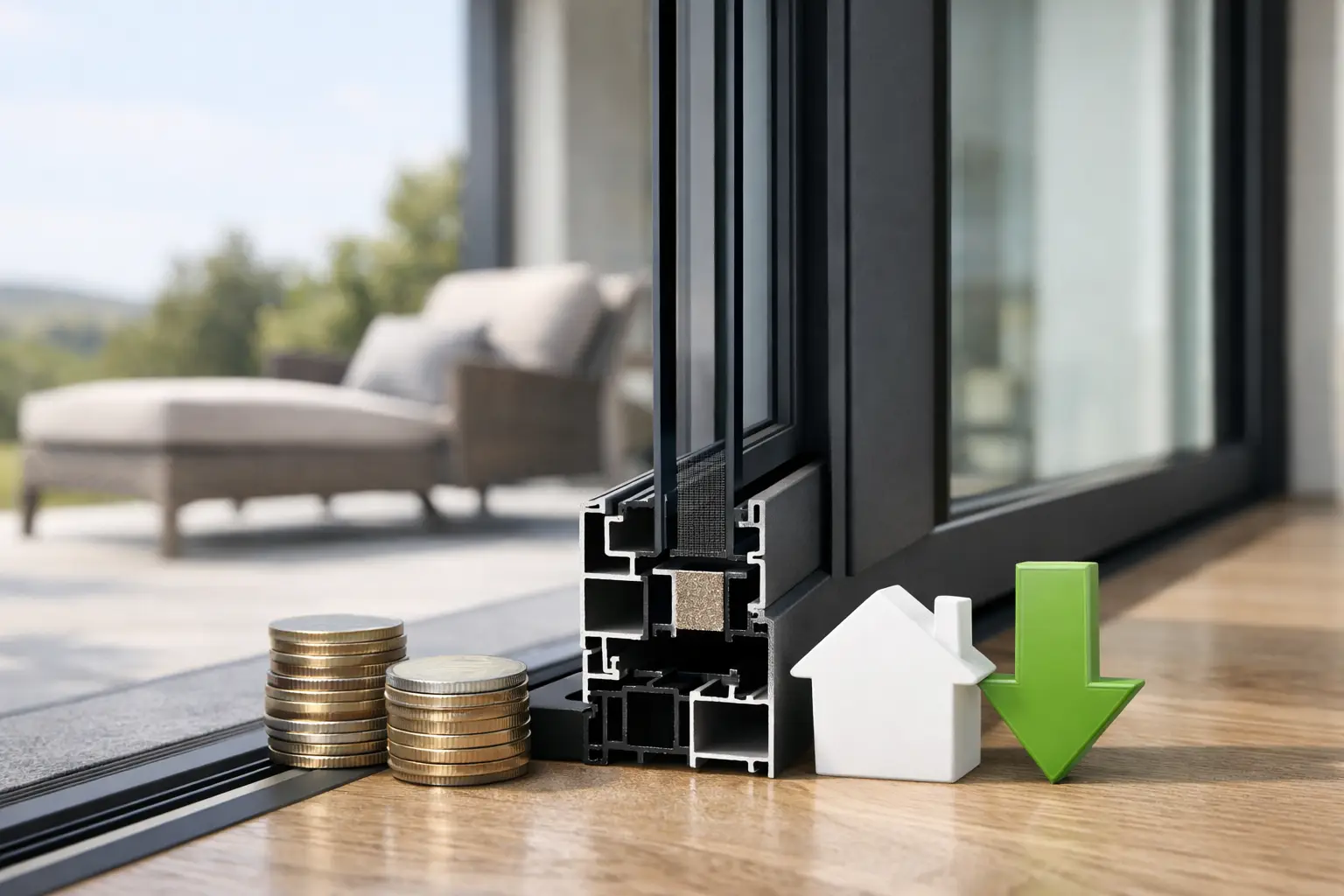
What Are Thermally Broken Doors?
What are thermally broken doors? Learn how they reduce heat transfer, condensation, and energy loss while improving comfort and durability.
Lift and Slide vs Sliding Doors
Lift and slide vs sliding doors - compare operation, size, thermal performance, weather resistance, and cost for high-end residential projects.

How to Specify Panoramic Door Systems
Learn how to specify panoramic door systems for large openings, thermal performance, structural demands, and refined sightlines.
Colorado Luxury Patio Doors That Perform
Colorado luxury patio doors should deliver slim sightlines, thermal control, and large openings built for mountain weather and modern homes.

How a Builder Direct Window Supplier Wins
See how a builder direct window supplier improves pricing, coordination, and thermal performance for premium residential projects.
Colorado Custom Aluminum Windows
Colorado custom aluminum windows for mountain homes and modern builds, with slim sightlines, thermal performance, and fully tailored design.
How to Choose Mountain Home Windows
Learn how to choose mountain home windows that handle cold, sun, wind, and views with the right frame, glass, sizing, and performance specs.
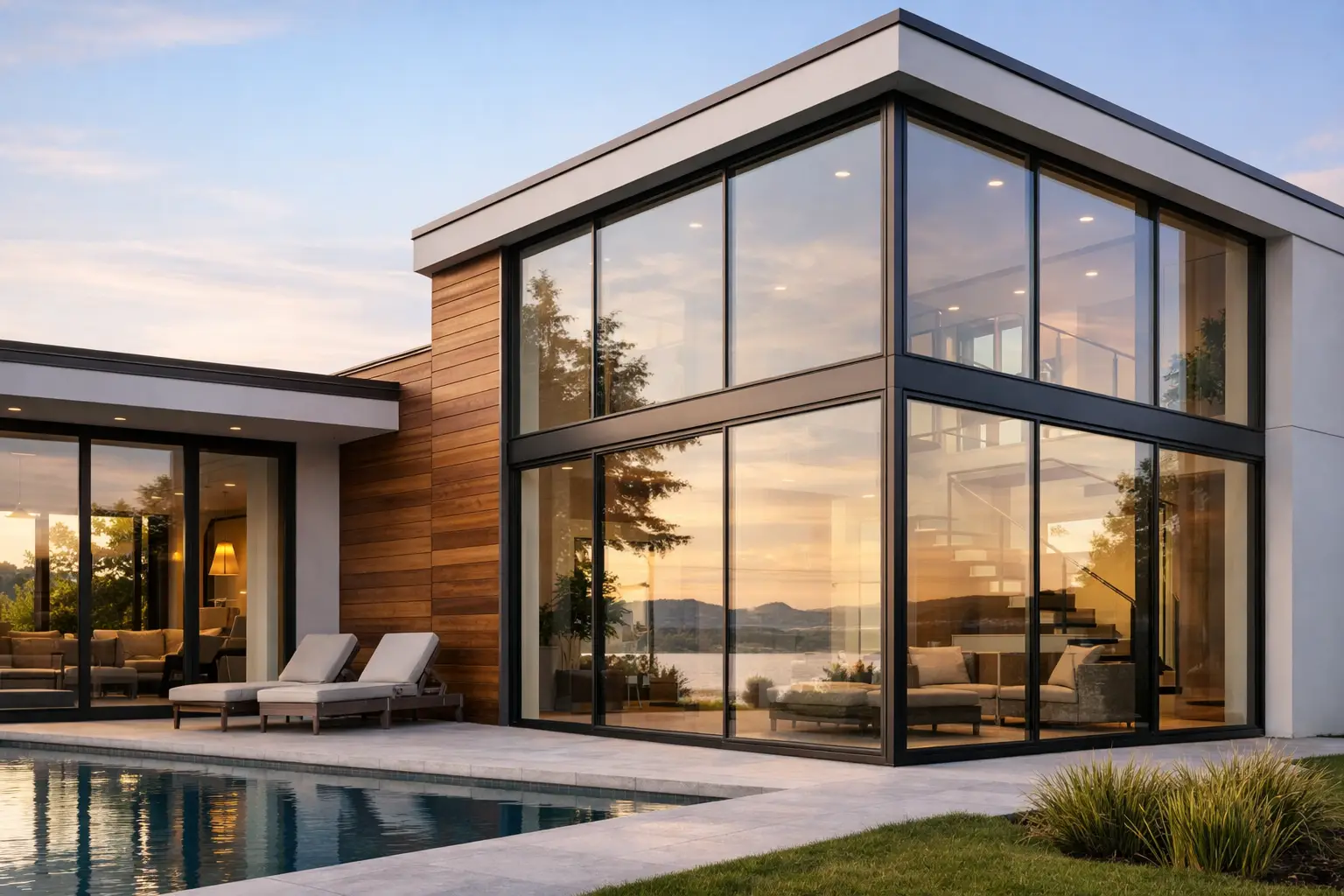
Best Windows for Modern Architecture
Learn how to choose the best windows for modern architecture, from slim frames and large glass panels to thermal performance for mountain homes.
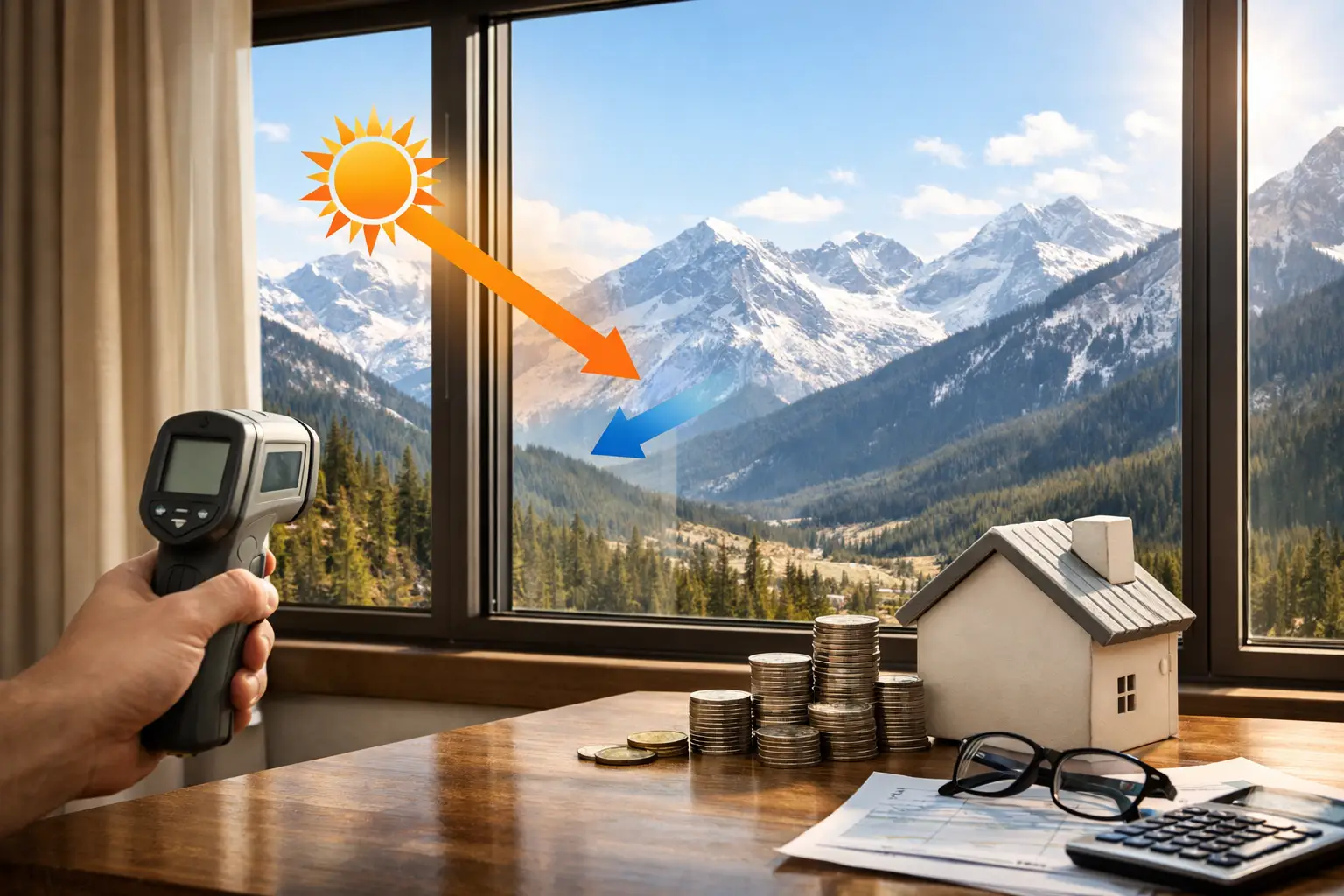
Rocky Mountain Window Performance Explained
Rocky Mountain window performance depends on thermal breaks, glass, sizing, and installation details that hold up in altitude and cold.
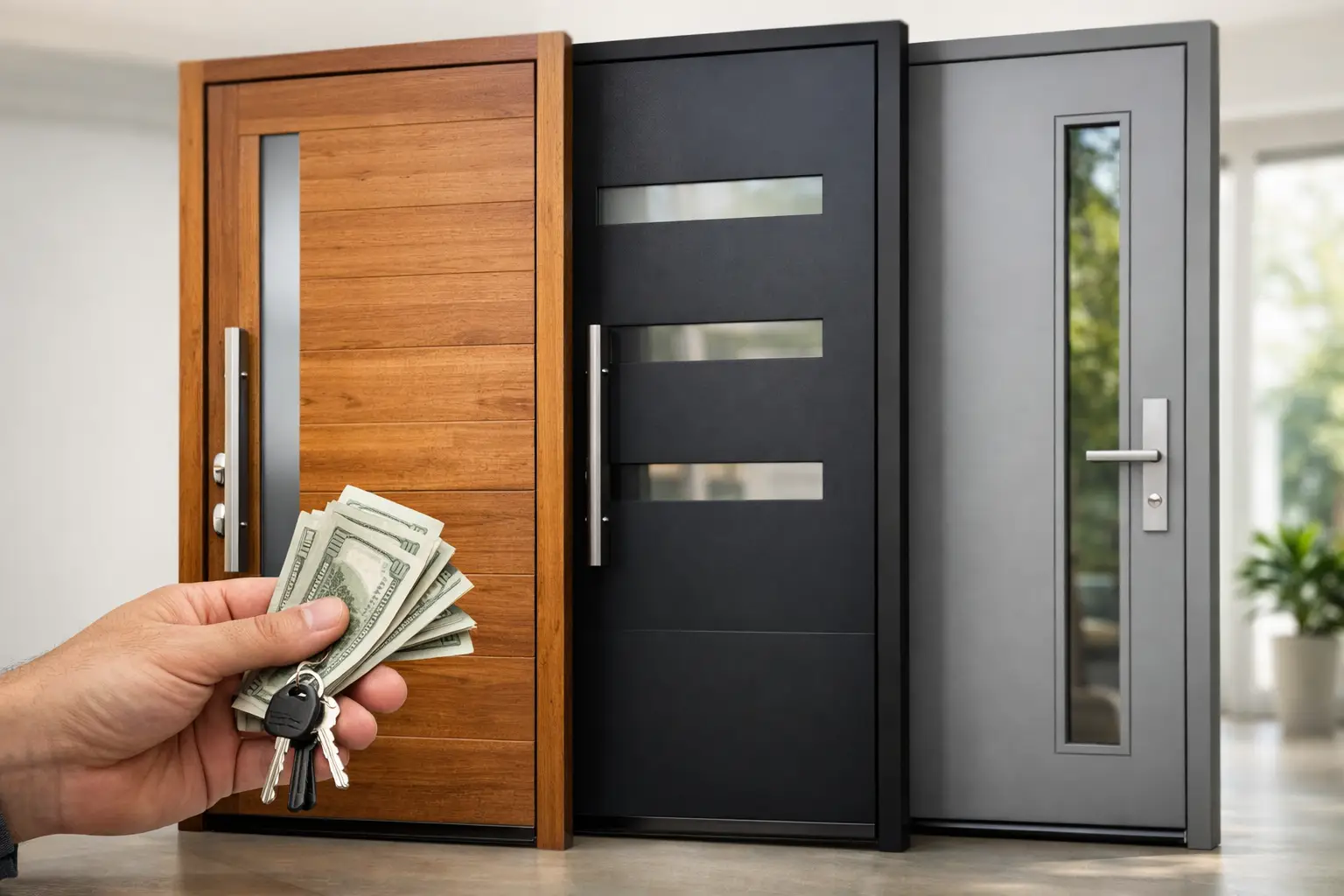
How to Choose Modern Entry Doors
Learn how to choose modern entry doors with the right material, thermal performance, size, glass, and hardware for refined design and durability.
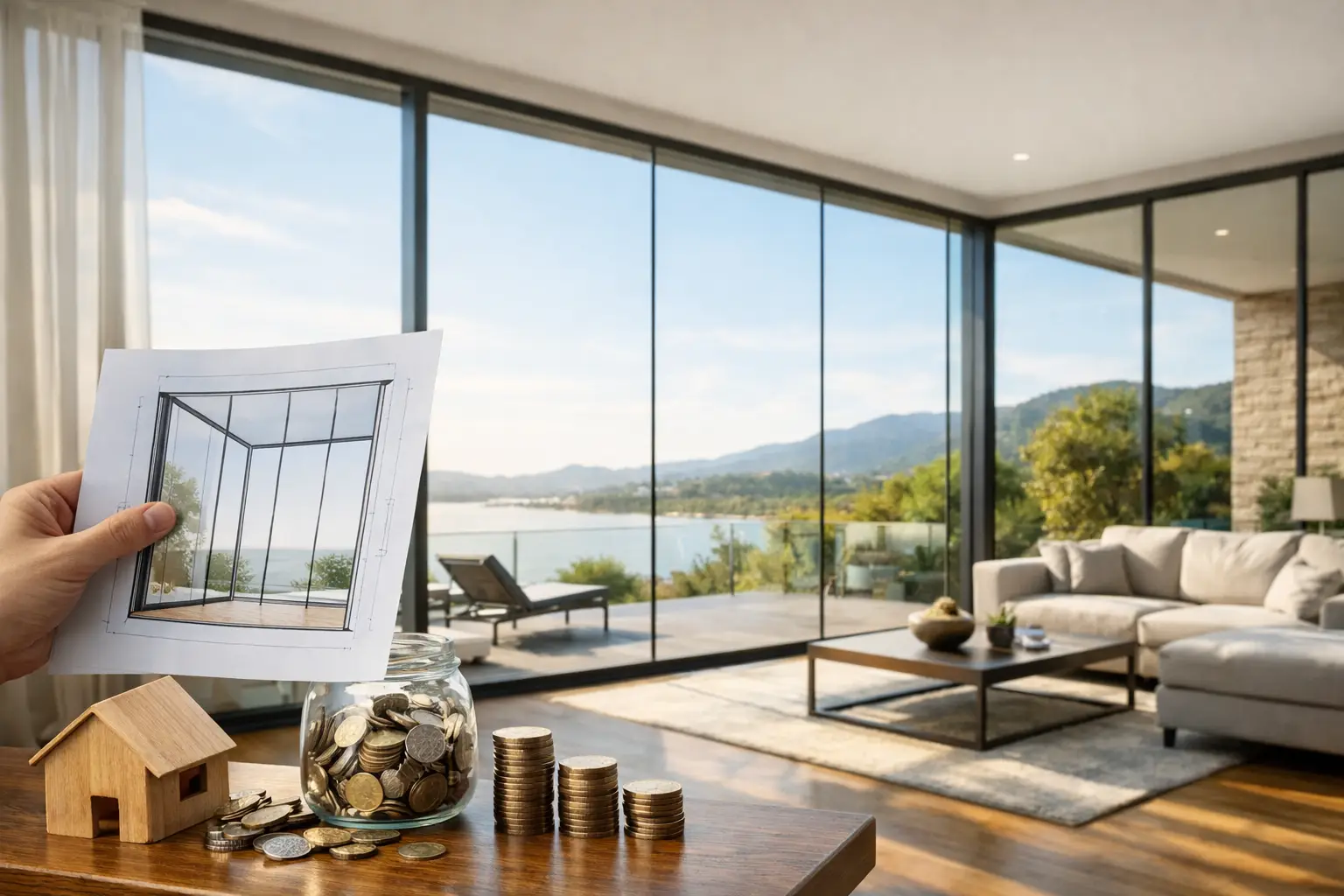
How to Design Floor to Ceiling Glass
Learn how to design floor to ceiling glass with the right spans, frames, glazing, and detailing for clean aesthetics and mountain-ready performance.
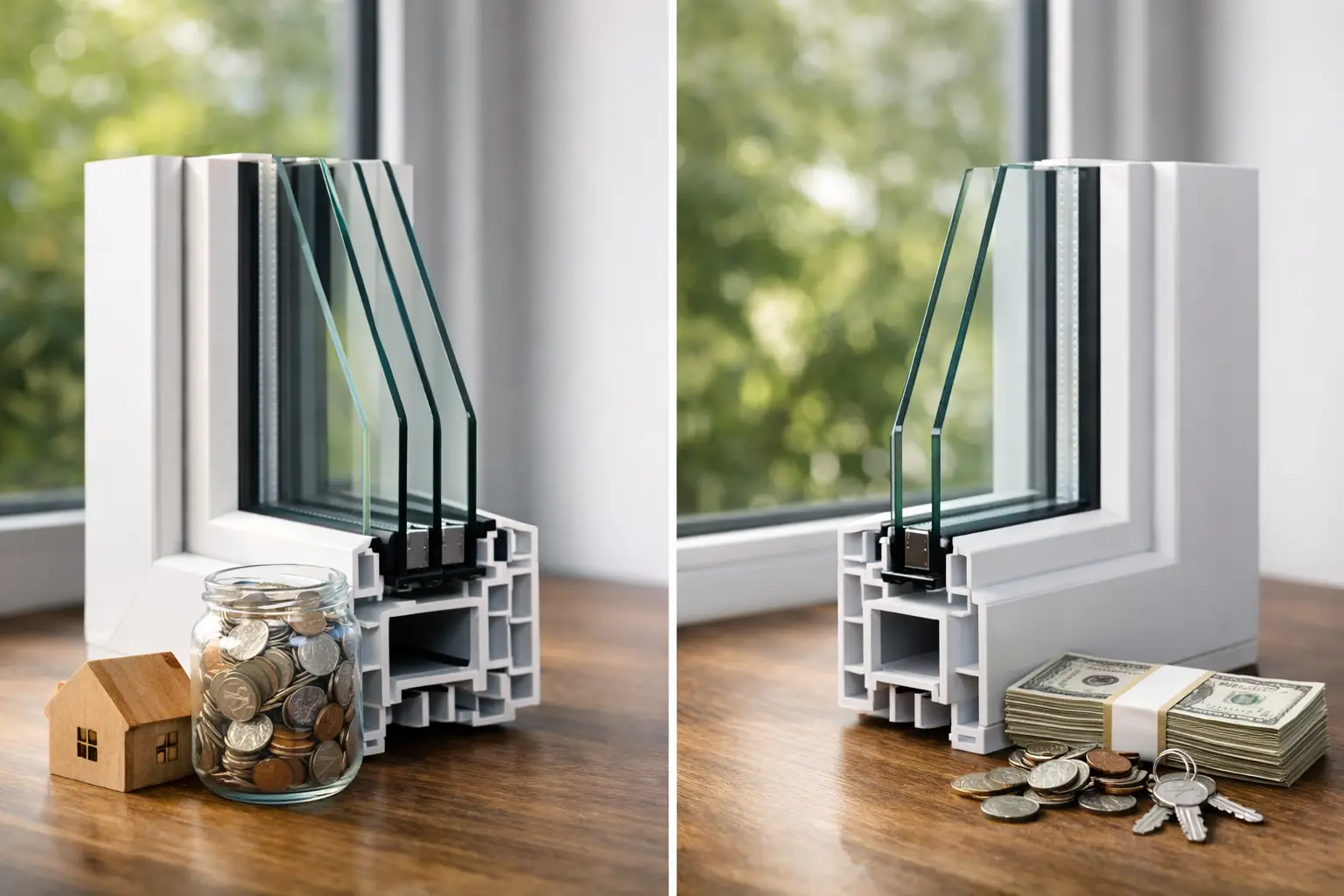
Triple Pane vs Double Pane Windows
Triple pane vs double pane windows: compare insulation, solar gain, cost, weight, and comfort to choose the right glazing for mountain homes.

Direct From Manufacturer Windows Explained
Learn how direct from manufacturer windows affect cost, lead times, customization, and thermal performance for modern residential projects.

Sliding Doors vs Bifold Doors
Sliding doors vs bifold doors: compare sightlines, thermal performance, opening width, and cost to choose the right system for your home.

How to Reduce Window Heat Loss Effectively
Learn how to reduce window heat loss with better glazing, frames, seals, and installation details that improve comfort and energy performance.
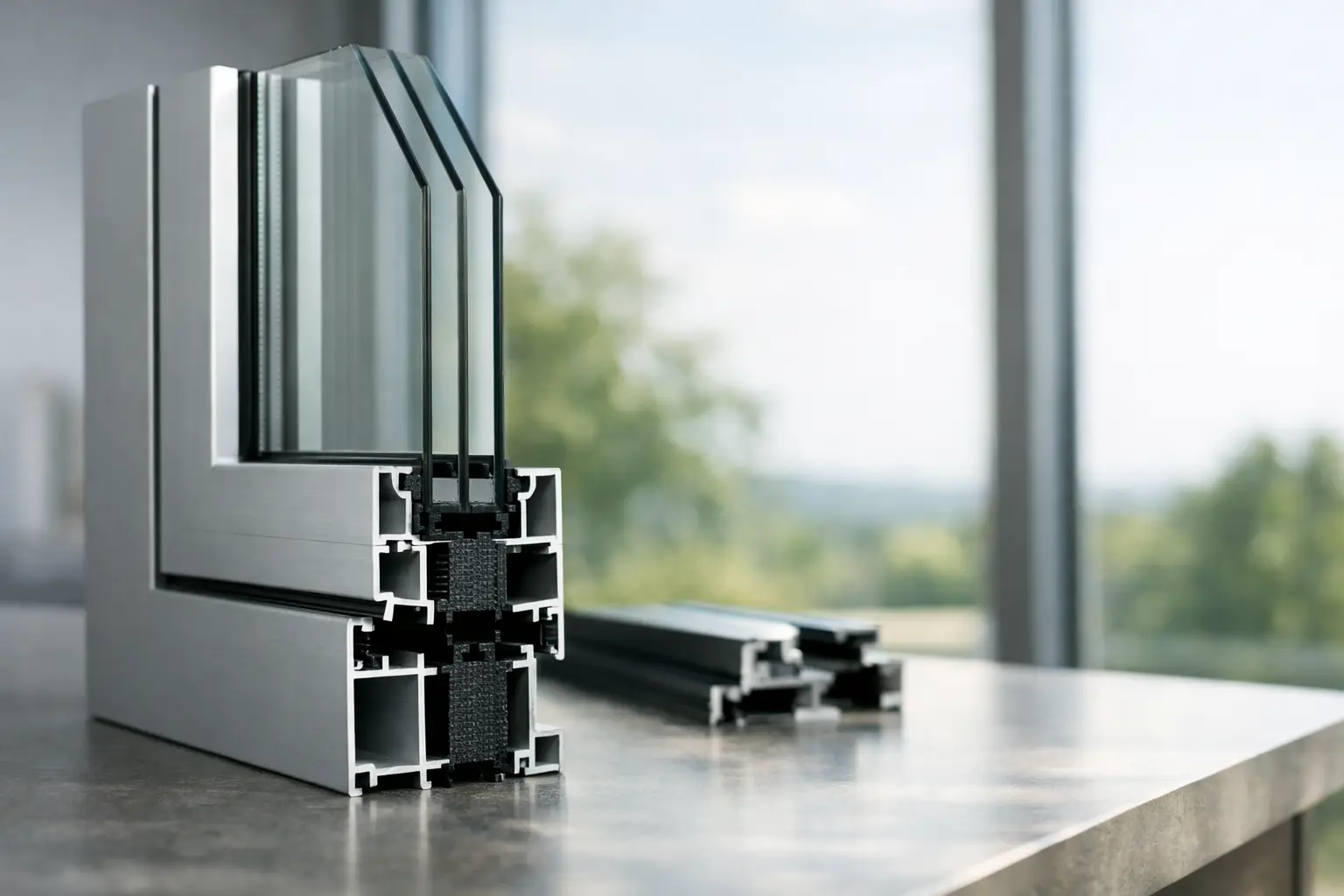
A Guide to Thermally Broken Frames
A guide to thermally broken frames for modern homes - learn how they improve efficiency, comfort, condensation control, and design flexibility.
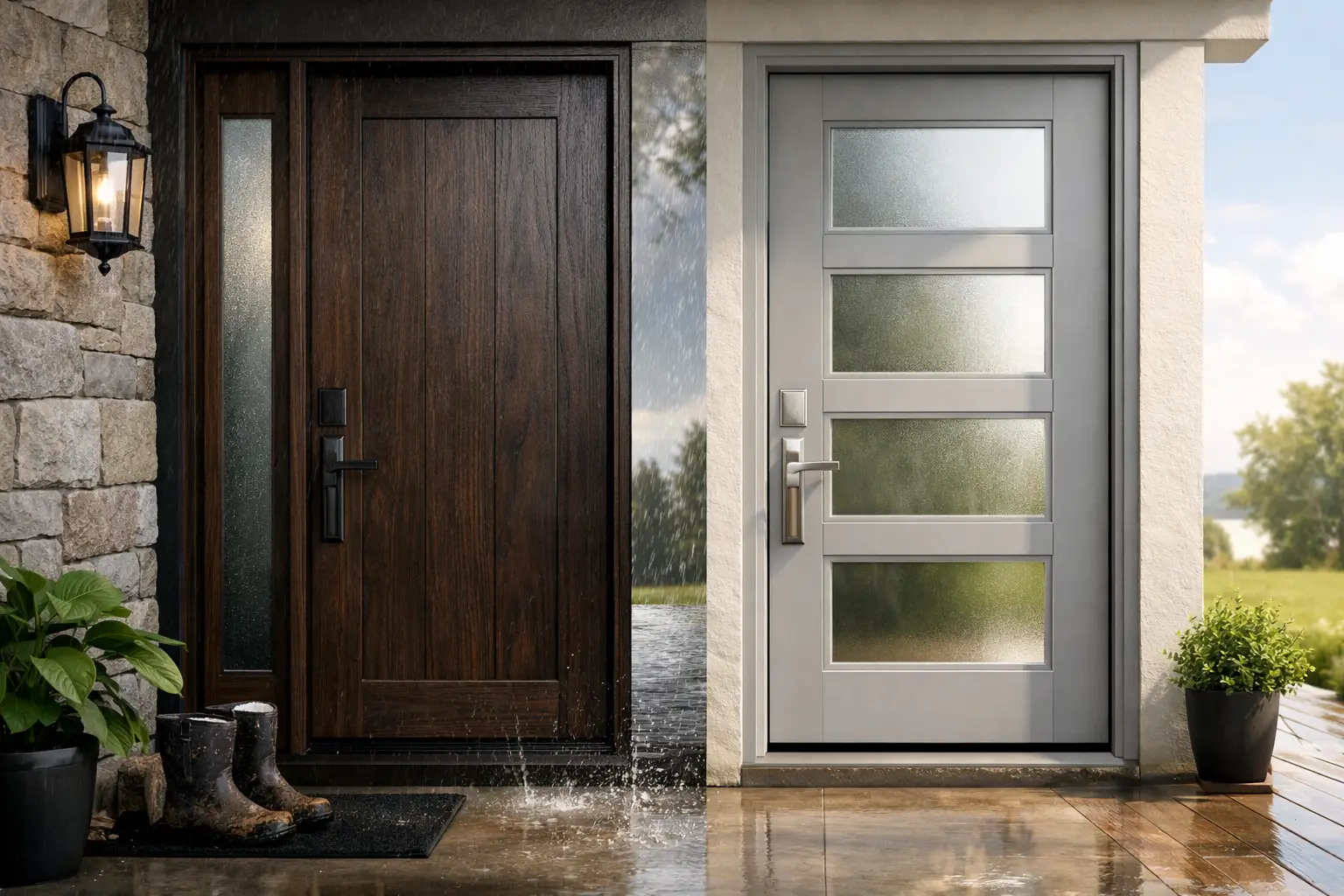
Choosing Weather Resistant Exterior Doors
Learn how weather resistant exterior doors handle wind, snow, sun, and temperature swings while protecting energy performance and design intent.
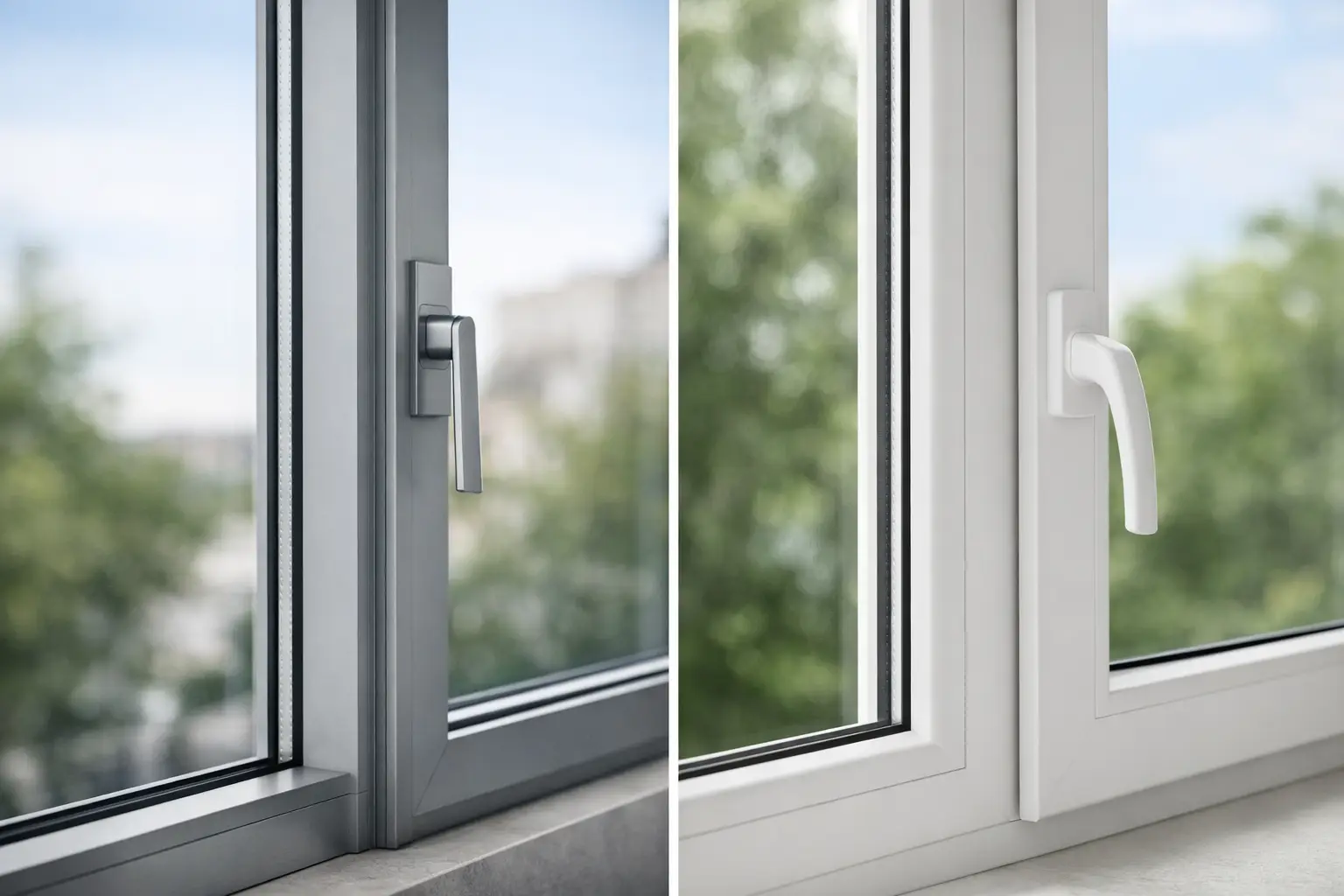
Aluminum vs Vinyl Windows: Which Fits Best?
Compare aluminum vs vinyl windows on thermal performance, sightlines, durability, cost, and design to choose the right system for your project.
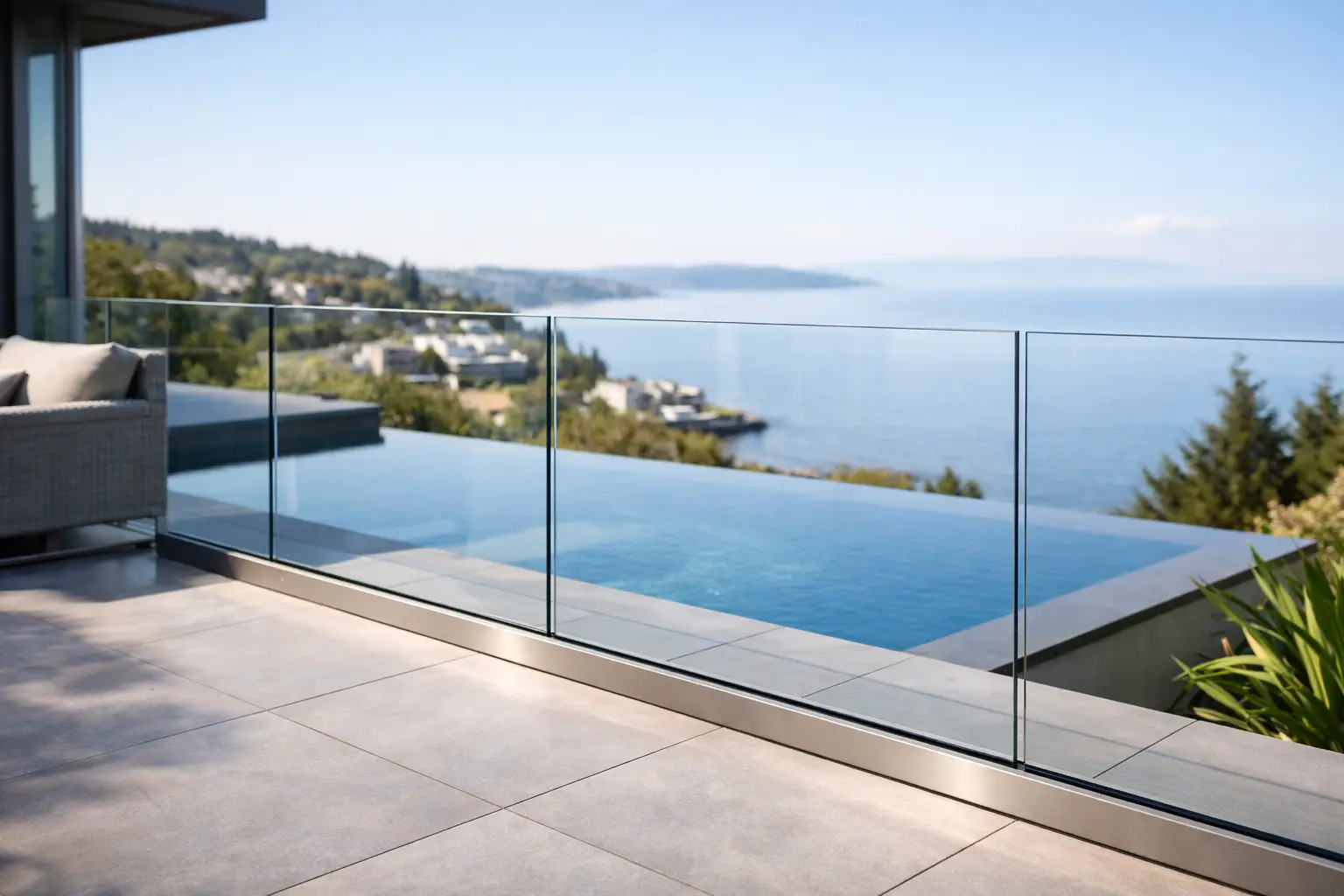
Frameless Glass Railing Systems Explained
Frameless glass railing systems deliver clean sightlines, code-ready safety, and lasting durability when specified for structure, climate, and detailing.
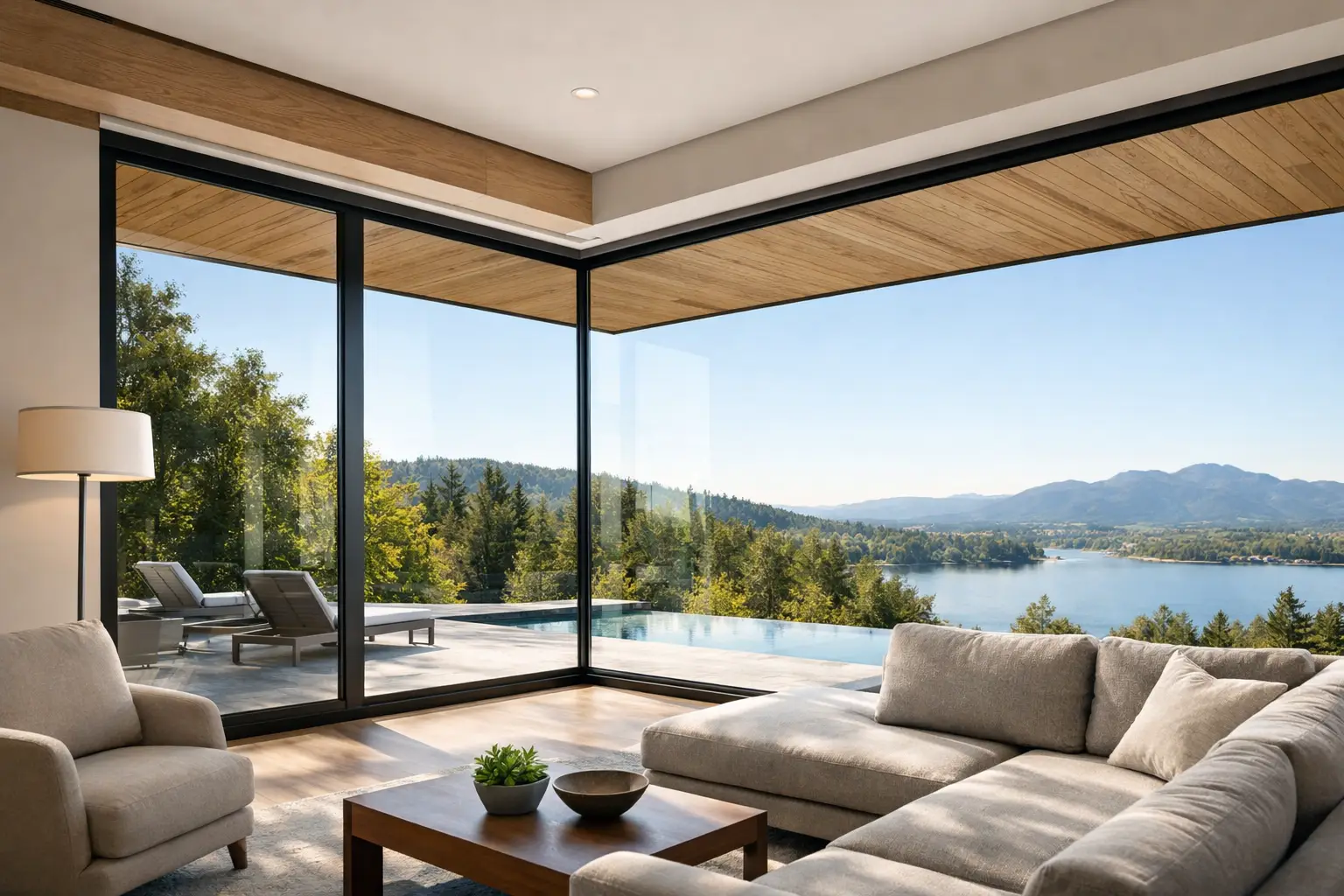
Corner Window Systems for Residential Design
Corner window systems residential projects use to expand views, sharpen modern detailing, and improve daylight without sacrificing thermal performance.
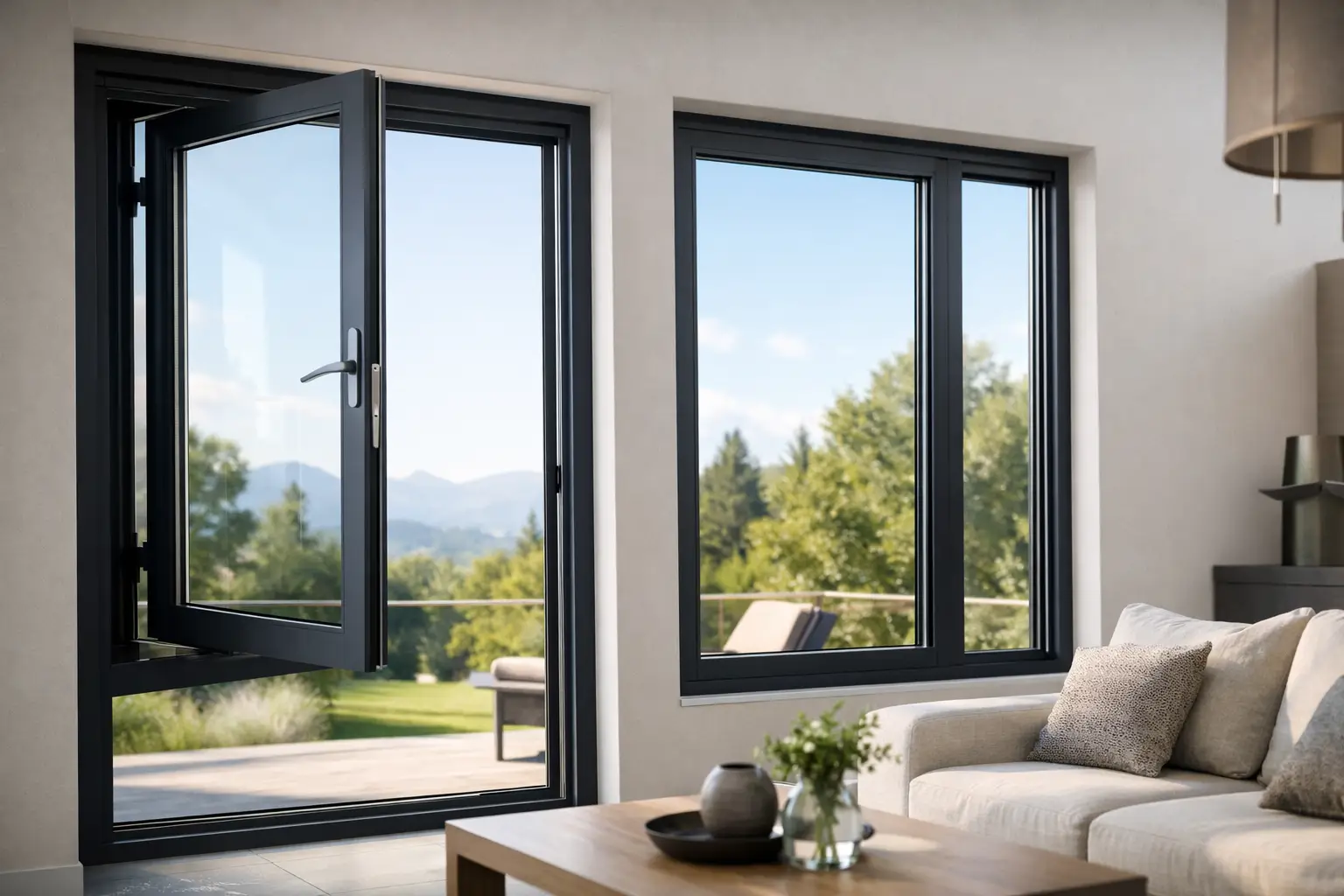
Casement Windows for Modern Homes
Casement windows for modern homes offer slim sightlines, strong ventilation, and thermal performance suited to demanding climates and clean design.
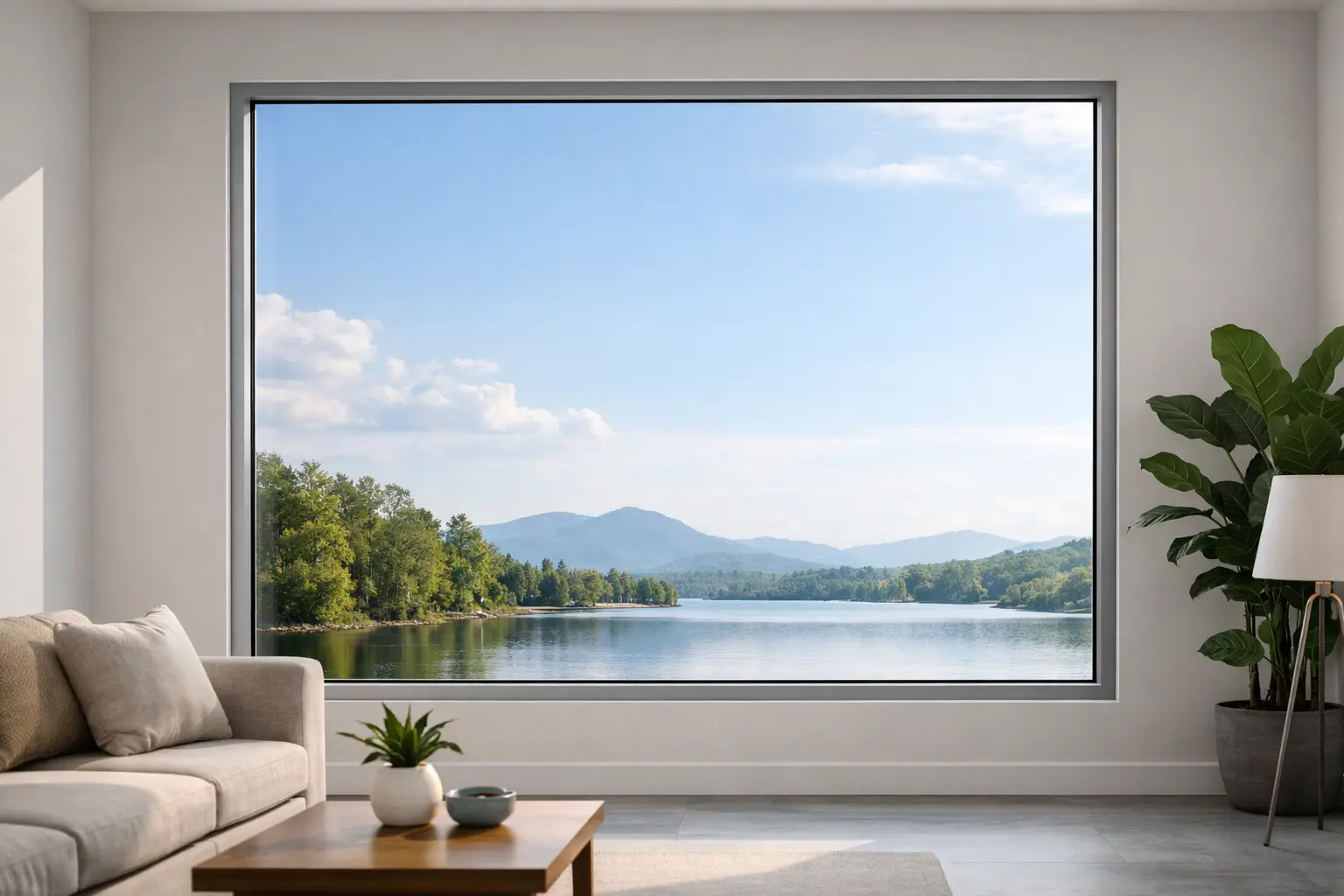
Fixed Aluminum Picture Windows Explained
Fixed aluminum picture windows deliver expansive views, slim sightlines, and thermal performance for modern homes in demanding mountain climates.
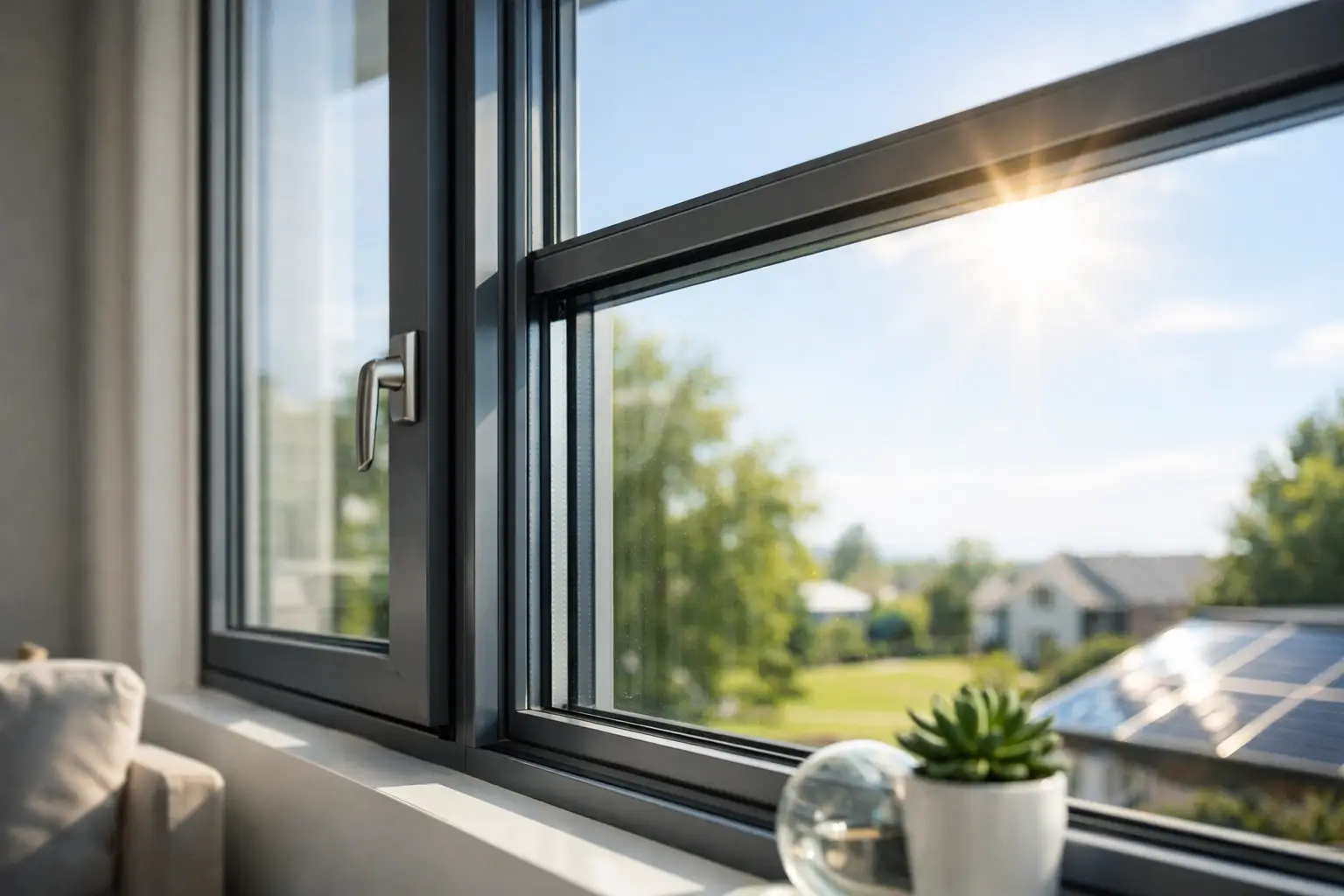
Are Aluminum Windows Energy Efficient?
Are aluminum windows energy efficient? Yes - with thermal breaks, Low-E glass, and proper installation, they can perform exceptionally well.
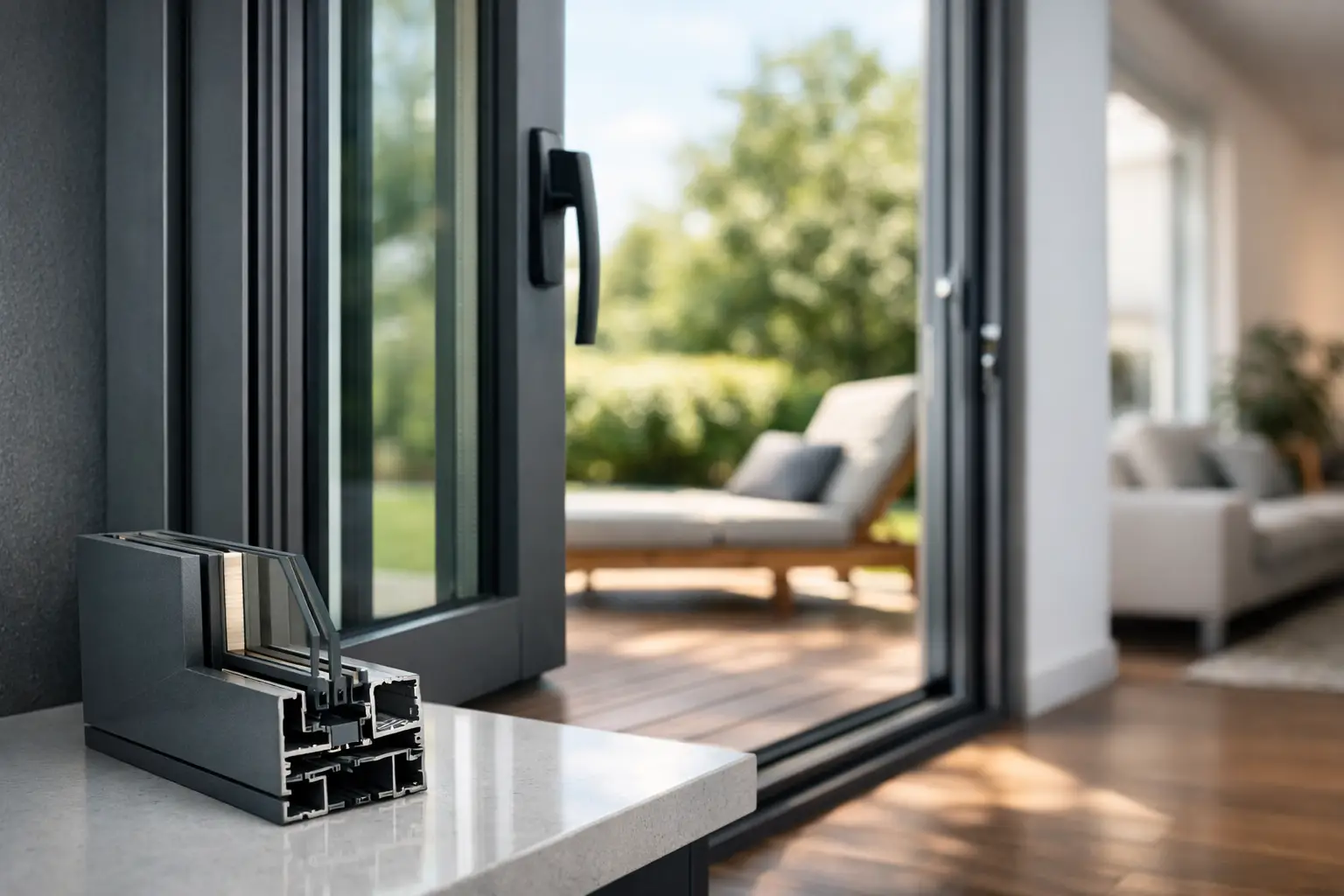
Energy Efficient Aluminum Doors Explained
Learn how energy efficient aluminum doors reduce heat loss, improve comfort, and support modern design in demanding residential climates.
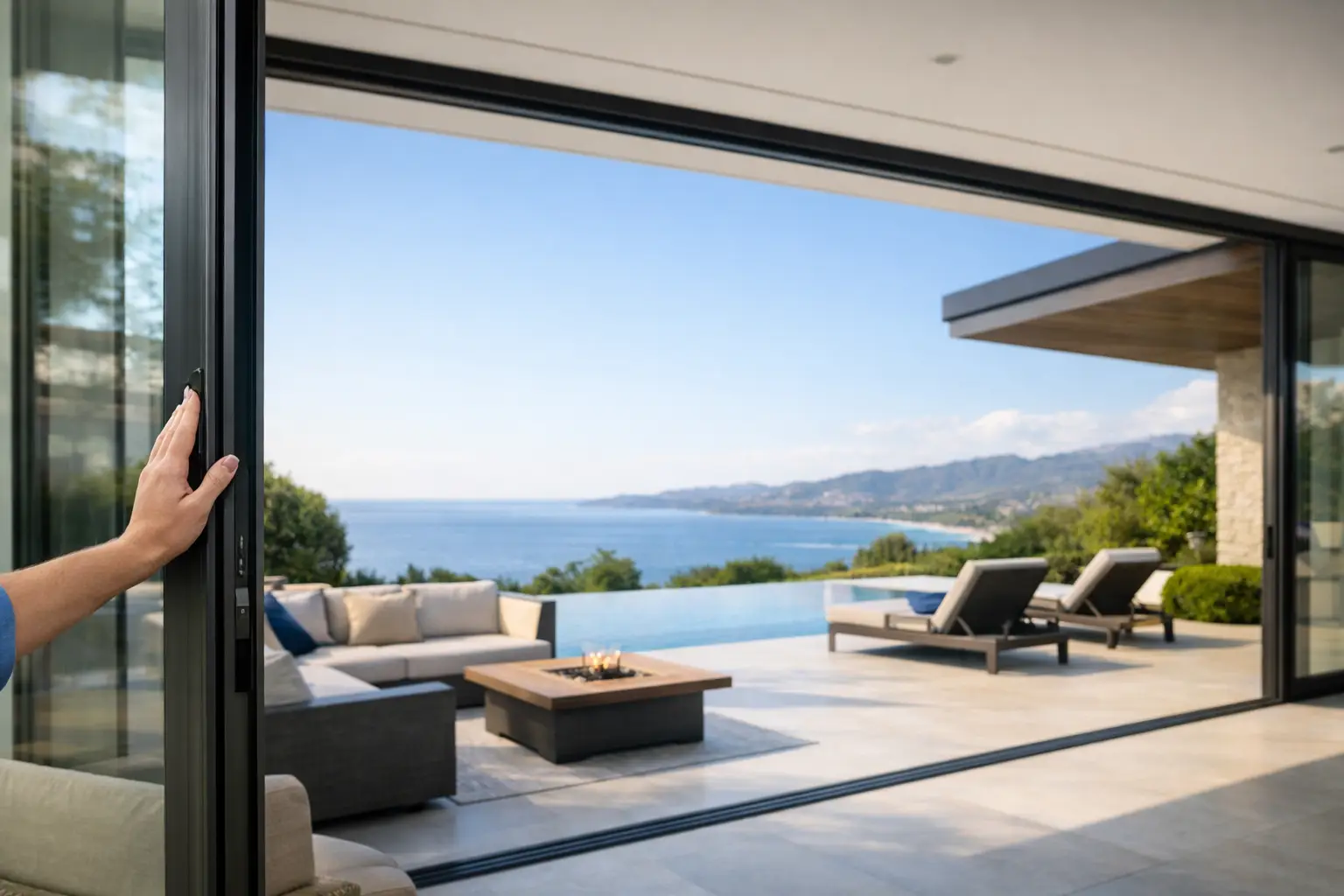
Choosing a Panoramic Sliding Glass Wall
A panoramic sliding glass wall expands views and daylight, but performance depends on engineering, thermal design, and installation.
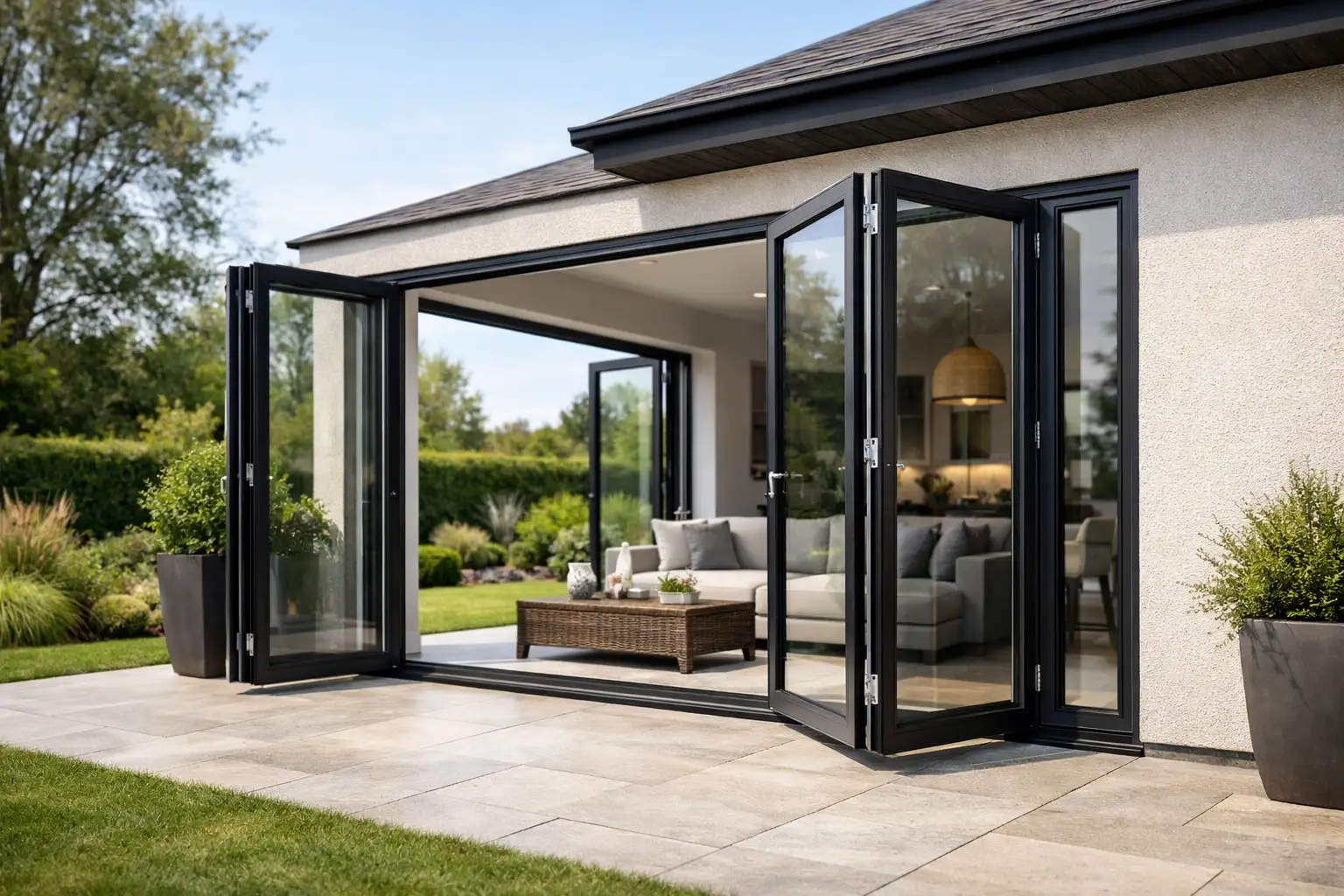
Bifold Patio Doors Exterior: What to Specify
Learn what matters when specifying bifold patio doors exterior systems for Colorado homes, from thermal performance to sizing, drainage, and finish.
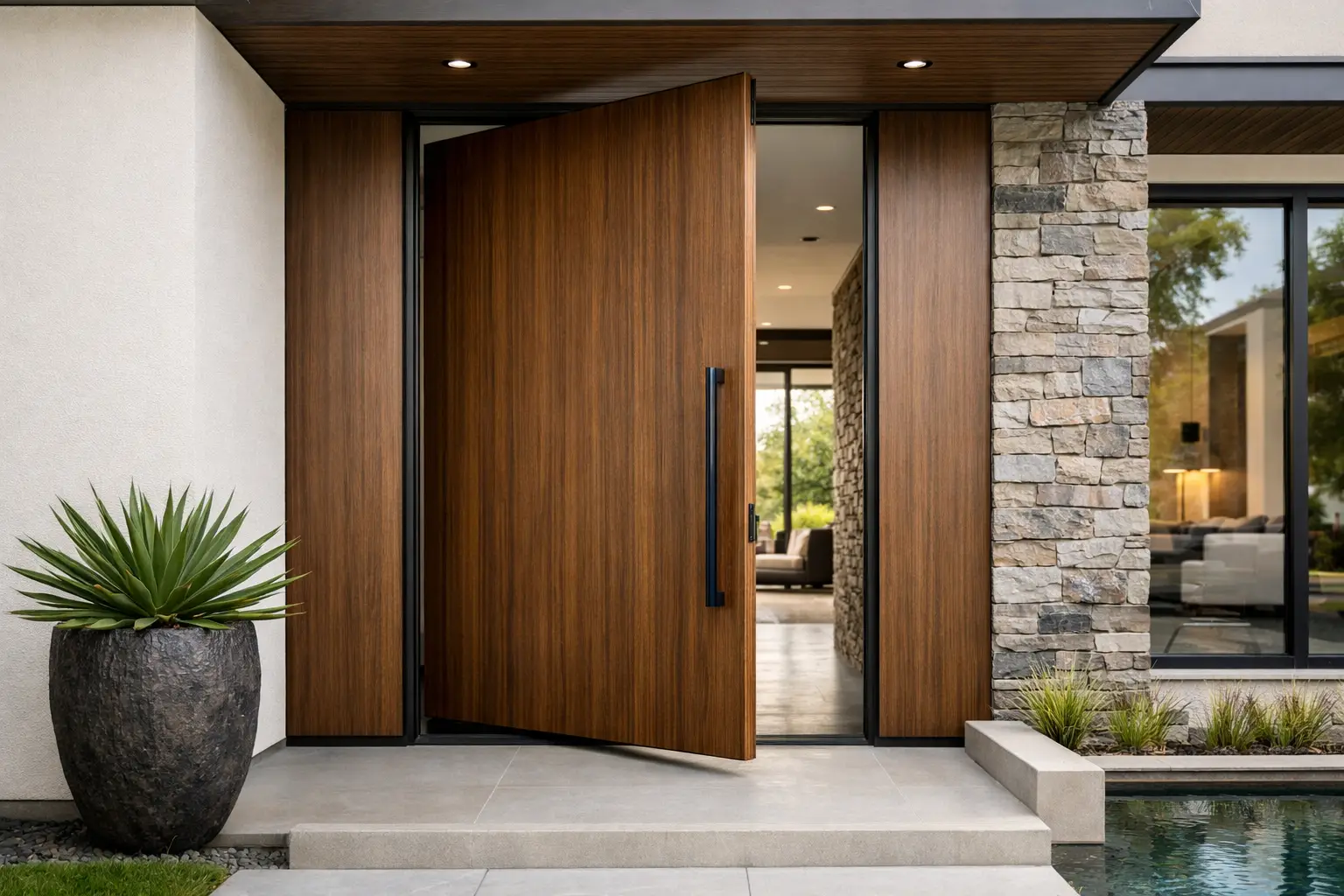
Pivot Entry Doors for Modern Homes
Pivot entry doors for modern homes combine oversized scale, refined sightlines, and thermal performance for Colorado's demanding climate.
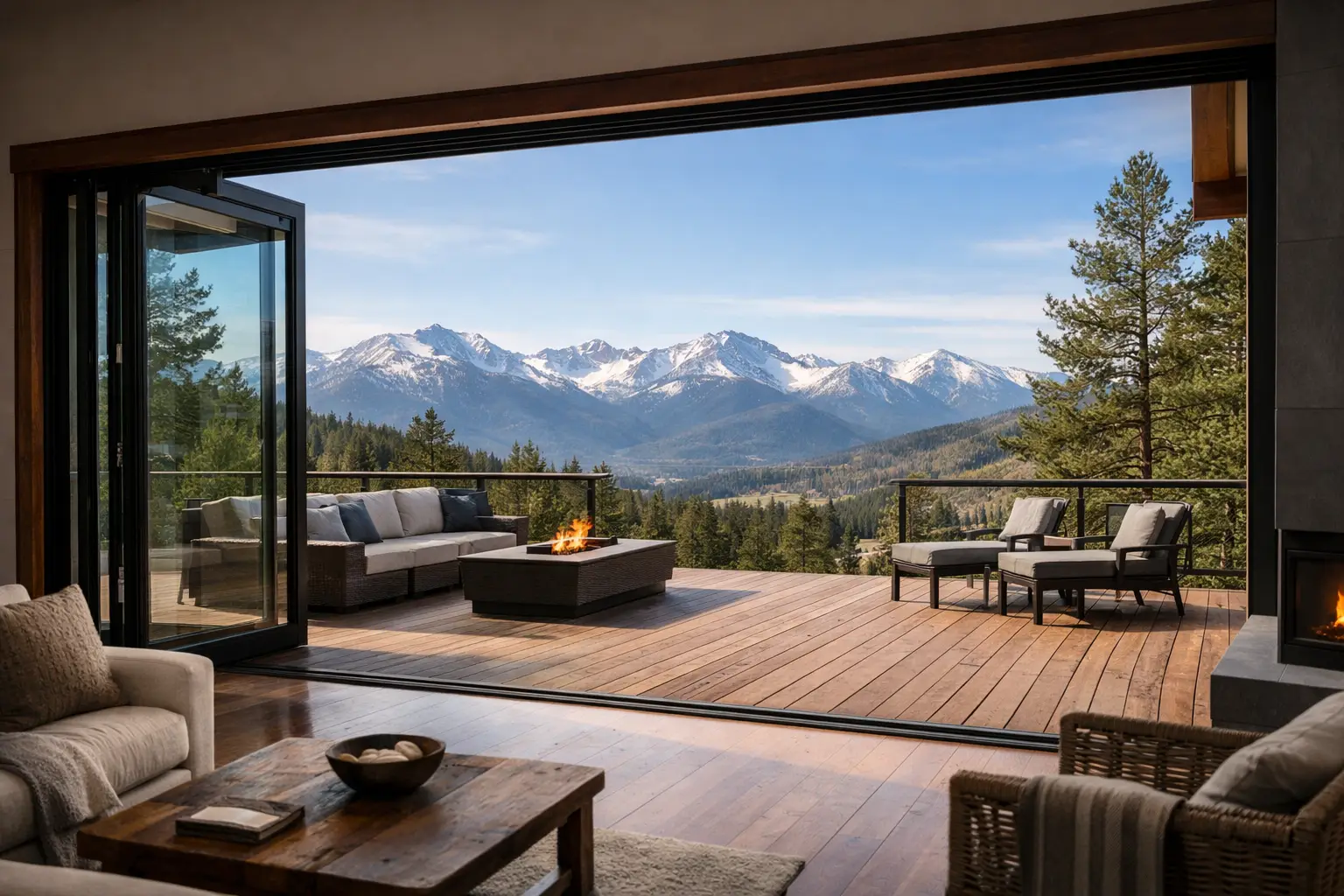
Large Opening Glass Doors for Colorado Homes
Large opening glass doors bring light, views, and scale to Colorado homes, but performance depends on system type, thermal design, and sizing.
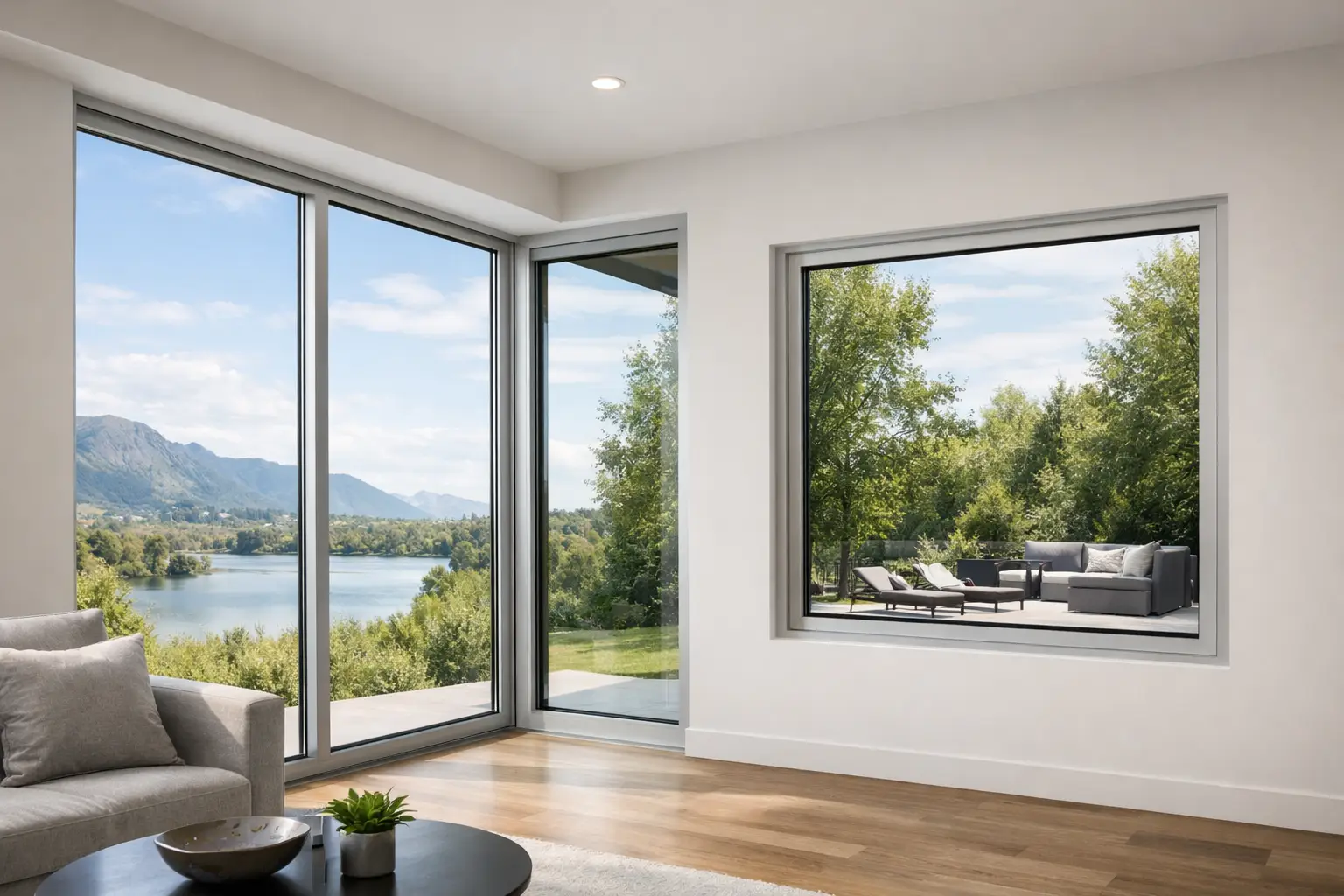
Custom Size Aluminum Windows That Perform
Custom size aluminum windows deliver precise fit, slim sightlines, and thermal performance for modern homes in demanding Rocky Mountain climates.
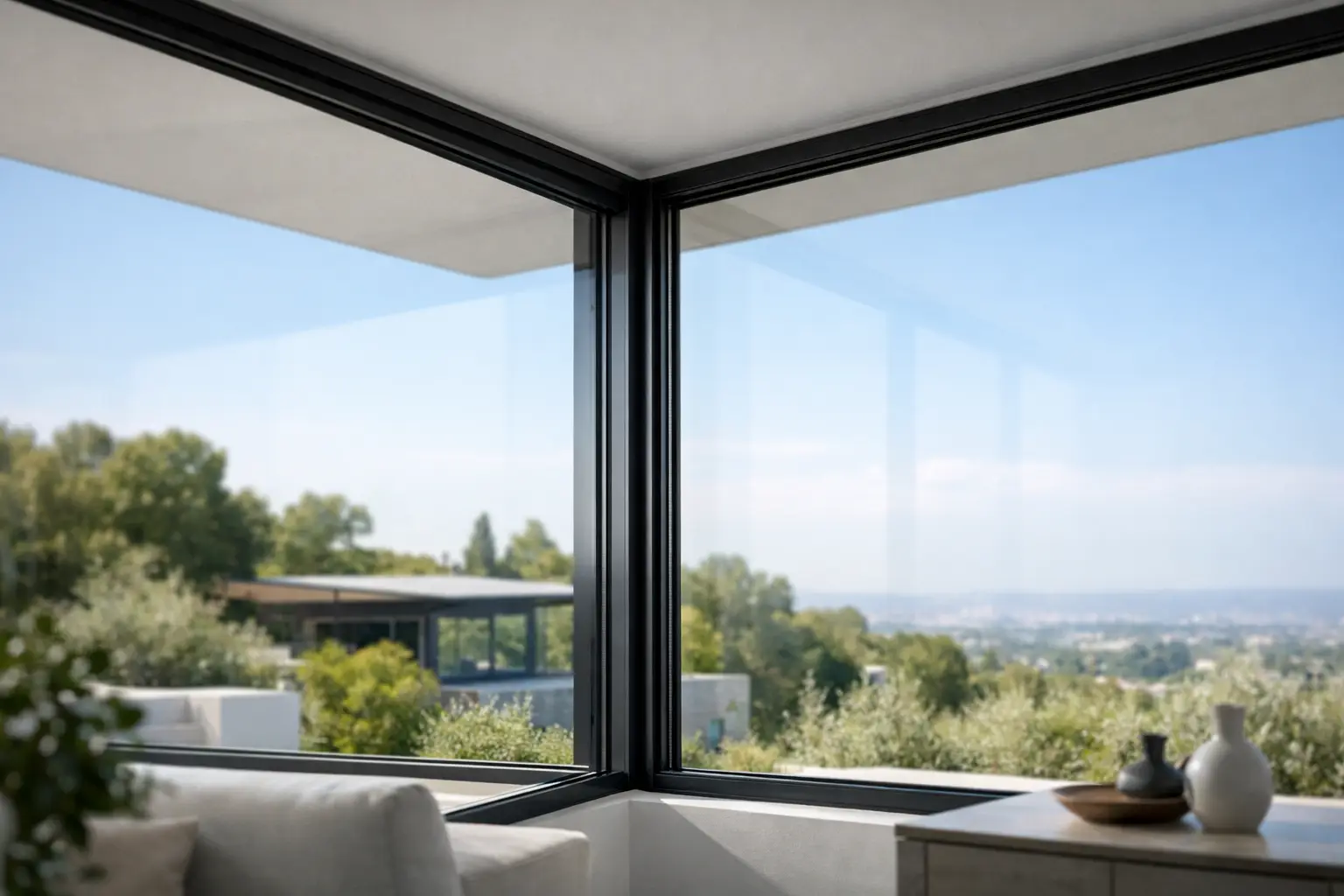
Slim Sightline Aluminum Windows Explained
Slim sightline aluminum windows deliver cleaner aesthetics, larger glass areas, and strong thermal performance for demanding modern homes.
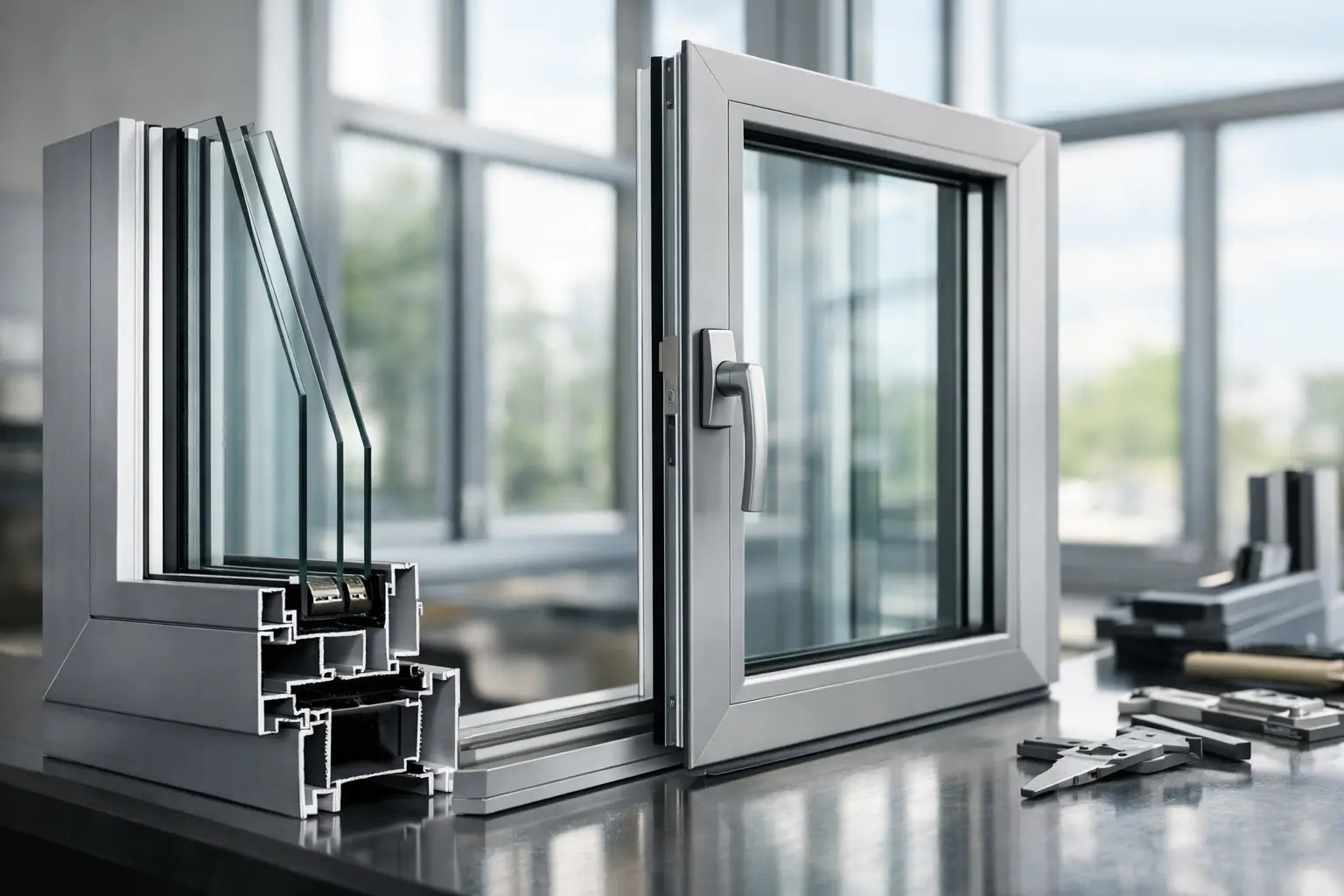
Factory Direct Aluminum Windows Explained
Factory direct aluminum windows reduce markups, improve coordination, and deliver stronger thermal performance for custom projects.
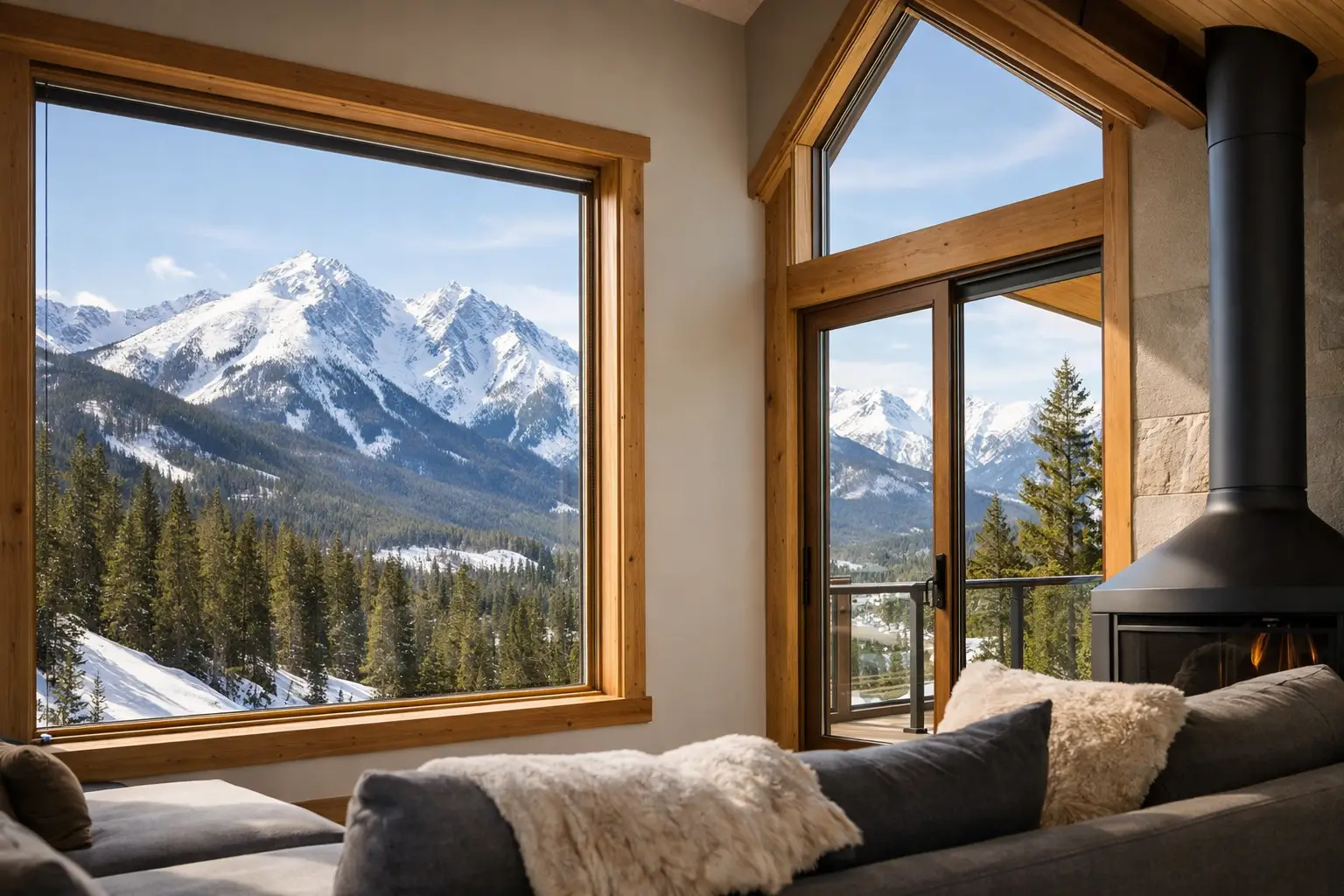
Best Windows for Mountain Climate Homes
Find the best windows for mountain climate homes with guidance on frame materials, glass packages, air tightness, and design trade-offs.
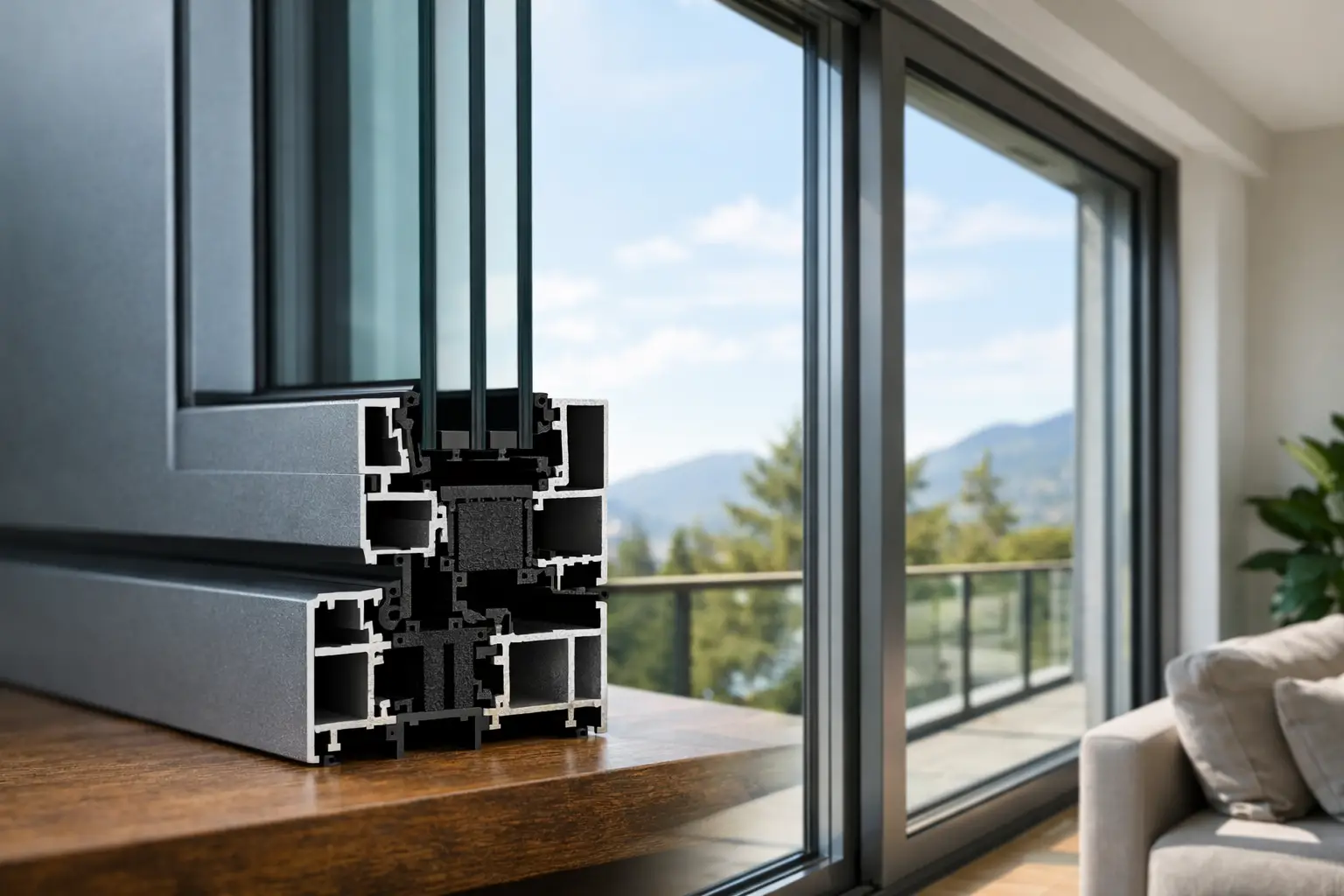
Thermally Broken Aluminum Windows Explained
Thermally broken aluminum windows deliver slim sightlines, strong performance, and climate-ready insulation for demanding Rocky Mountain homes.